BIS Certification for Footwear in India
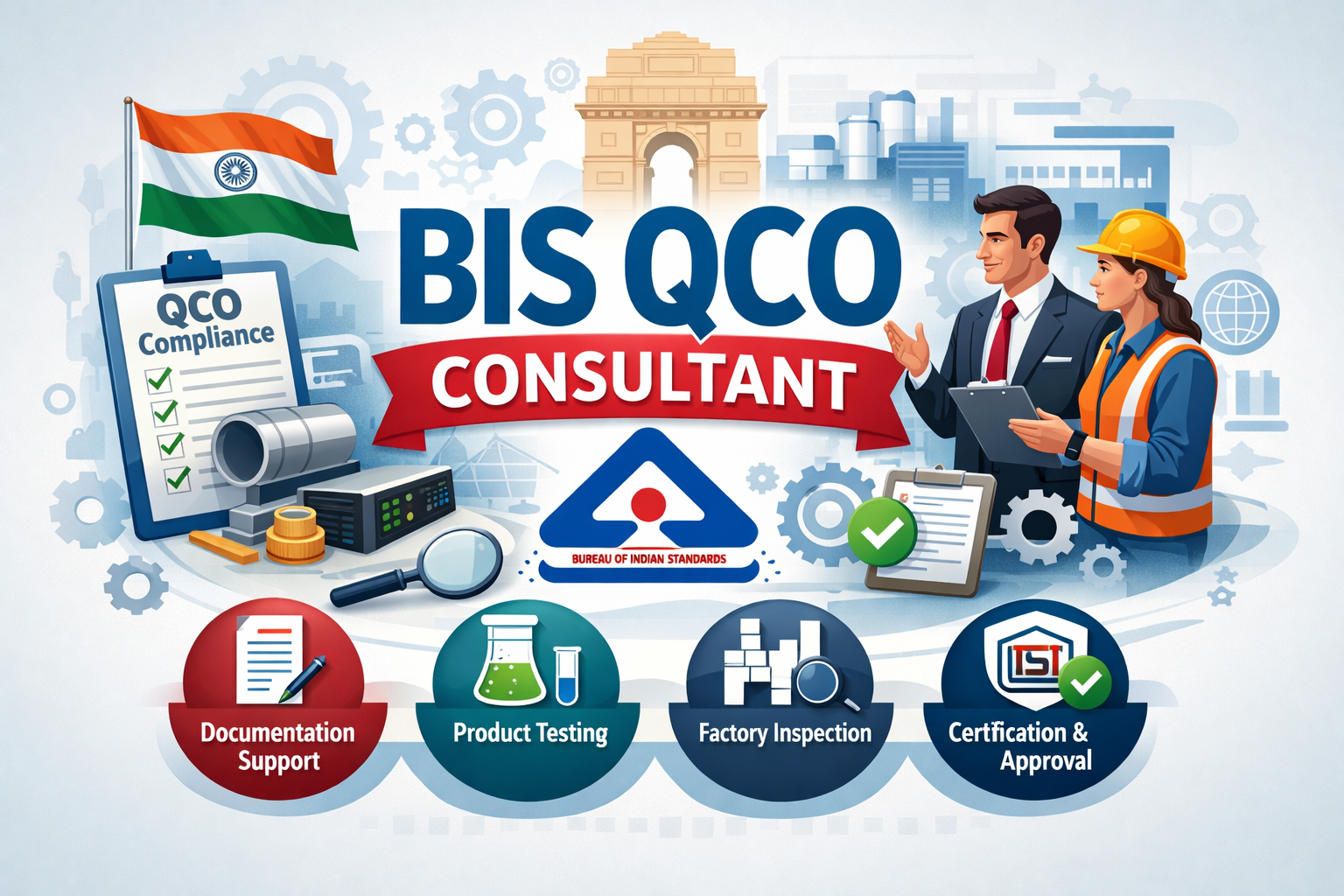
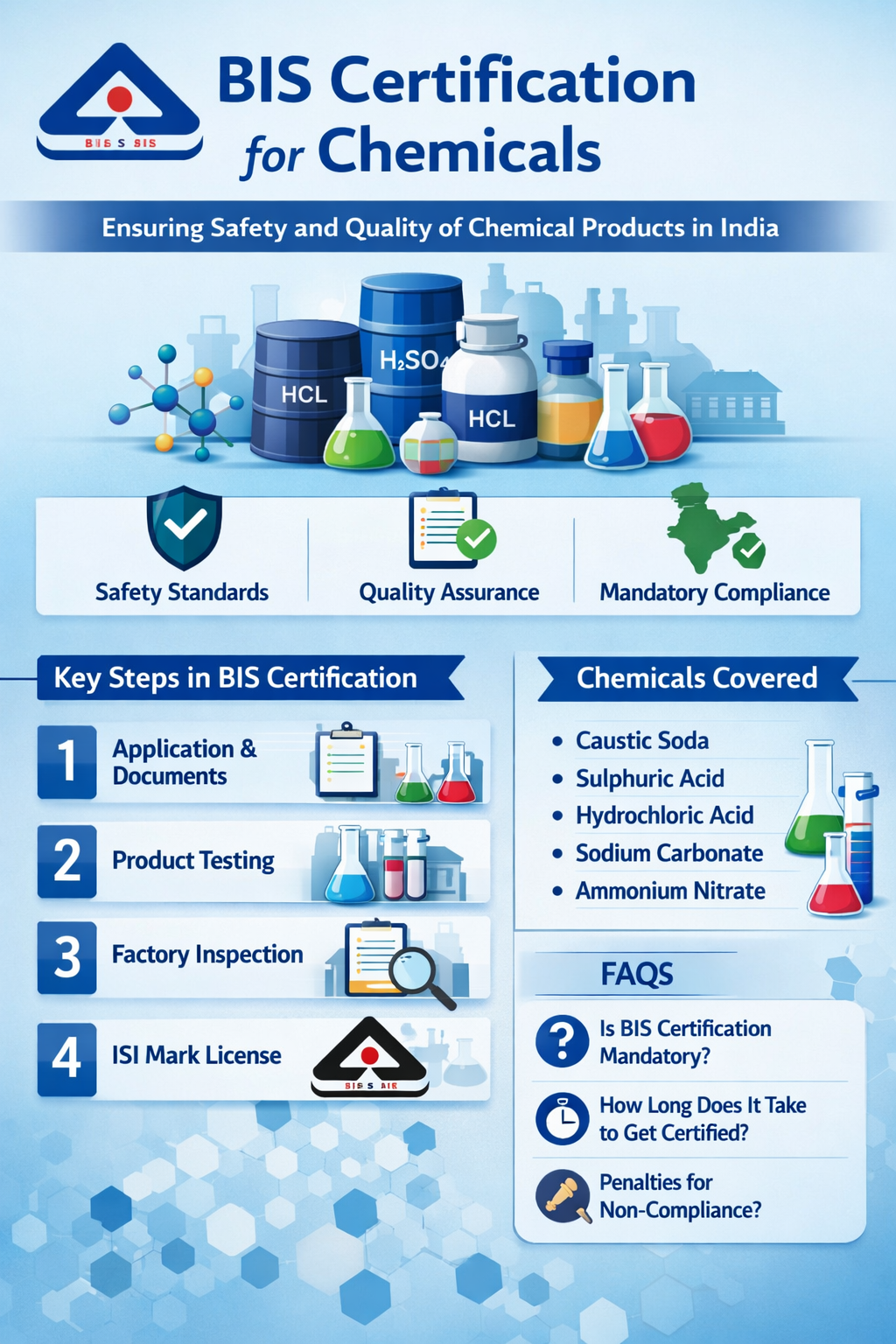
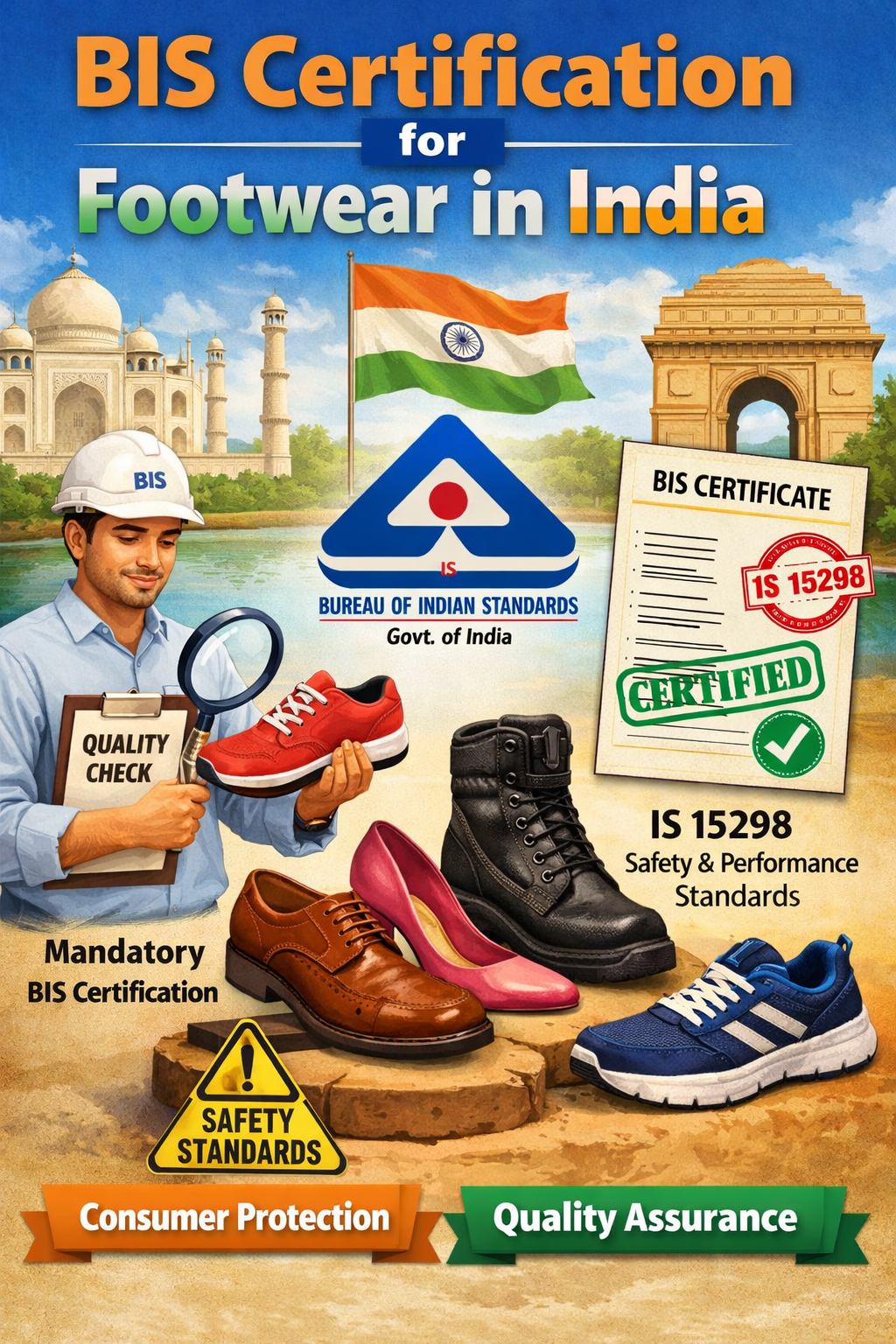
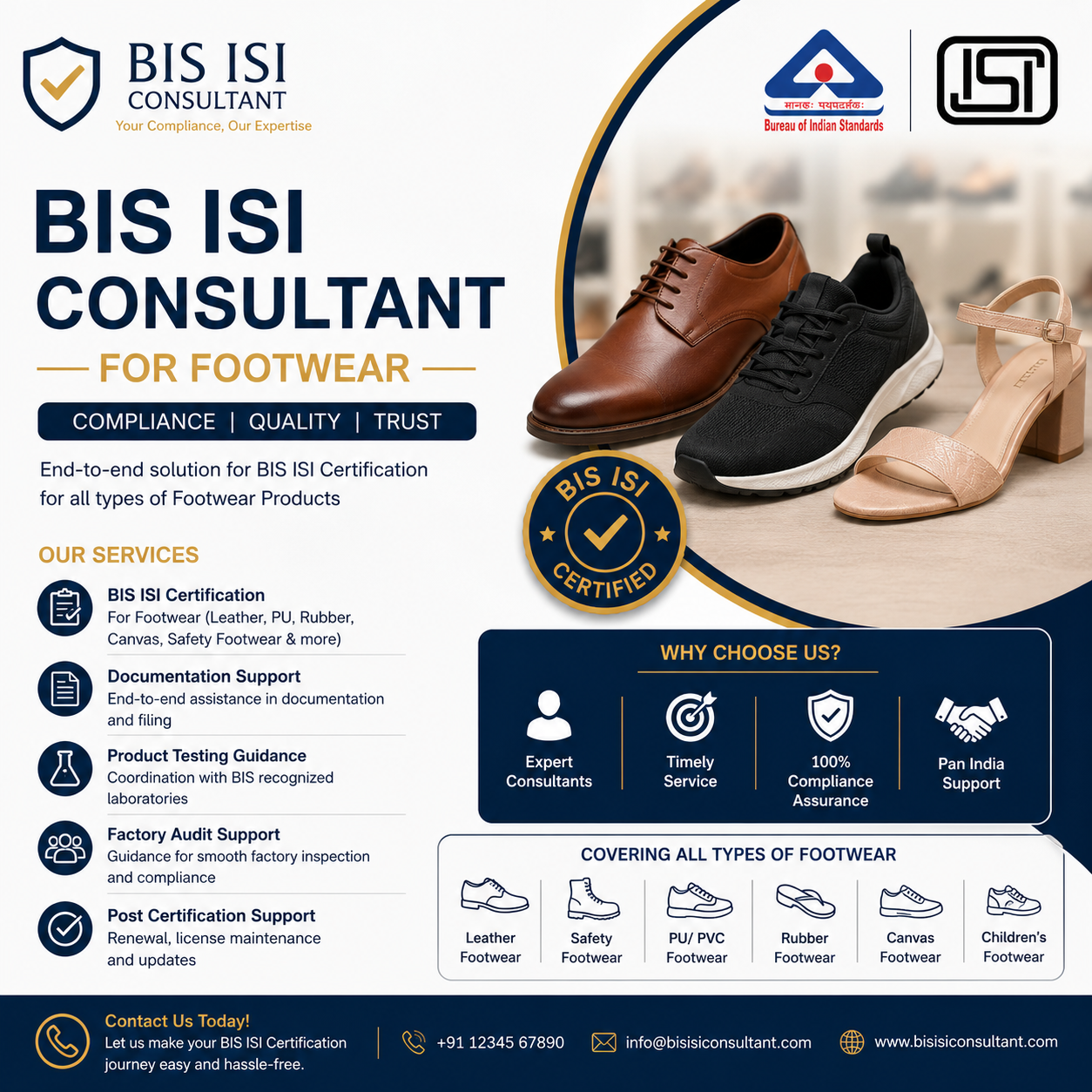
BIS Certification for Footwear in India is mandatory to ensure product quality, safety, and consumer protection. The Bureau of Indian Standards (BIS), under the Ministry of Consumer Affairs, mandates certification for specific footwear products before they can be manufactured, sold, or imported into the Indian market. This regulation aims to eliminate substandard products and promote compliance with Indian quality standards. BIS Certification is a conformity assessment process that verifies whether footwear products meet Indian Standards (IS) specified by BIS. Footwear products covered under compulsory certification must bear the ISI Mark, which indicates that the product has been tested and approved as per BIS norms. In India, the Footwear Quality Control Order (QCO) makes BIS certification mandatory for several types of footwear, including leather, rubber, canvas, and safety footwear. Both domestic manufacturers and foreign manufacturers (importers) must comply with these regulations. BIS Certification for footwear is mandatory to: Ensure consumer safety and comfort Maintain minimum quality benchmarks Prevent the sale of low-quality or unsafe footwear Promote fair trade and standardization Protect domestic manufacturers from inferior imports Without BIS certification, footwear products cannot be legally sold or distributed in India. Some commonly covered footwear categories include: Leather footwear Rubber and PVC footwear Canvas shoes Safety footwear Industrial and protective footwear School shoes Sports footwear (as notified) Each category has a specific Indian Standard (IS) code that defines quality parameters such as material strength, sole adhesion, flexibility, durability, and resistance properties. Different footwear products fall under different IS standards. Some key standards include: IS 15298 (Part 1–4) – Safety footwear IS 6721 – Leather safety shoes IS 5676 – Canvas shoes IS 12254 – Rubber footwear Manufacturers must identify the correct standard applicable to their product before applying for BIS certification. The BIS certification process for footwear generally follows these steps: Identify the correct Indian Standard applicable to the footwear product. Submit the BIS application along with required documents, product details, and factory information. Product samples are tested in a BIS-recognized laboratory to ensure compliance with Indian standards. BIS officials conduct a factory audit to verify manufacturing capability, quality control processes, and testing infrastructure. After successful testing and inspection, BIS grants the license to use the ISI Mark on footwear products. Post-certification, BIS conducts periodic inspections and sample testing to ensure continued compliance. Key documents required include: BIS application form Manufacturing process flowchart Factory layout and address proof Quality control details Test reports from BIS-approved labs Raw material specifications Authorized signatory details Brand registration (if applicable) Foreign manufacturers must also appoint an Authorized Indian Representative (AIR). Imported footwear also requires BIS certification before customs clearance in India. Foreign manufacturers must obtain certification under the FMCS (Foreign Manufacturers Certification Scheme) and mark their products with the ISI Mark before import. Non-certified imported footwear may be seized or rejected by Indian customs authorities. The BIS license for footwear is generally valid for 1 to 2 years and must be renewed before expiry. Renewal depends on continued compliance, satisfactory surveillance reports, and payment of applicable fees. Selling or manufacturing footwear without BIS certification can result in: Product seizure Heavy monetary penalties Legal prosecution Ban on sales or imports Damage to brand reputation Hence, compliance with BIS norms is crucial for all footwear businesses. Legal approval to sell footwear in India Enhanced consumer trust and brand credibility Improved product quality and consistency Competitive advantage in the market Easy access to government tenders and large retailers Hassle-free import and export operations A professional BIS consultant simplifies the entire certification process by: Identifying applicable standards Preparing and submitting applications Coordinating lab testing Handling factory audits Ensuring timely approval and renewal With expert guidance, manufacturers can avoid delays, rejections, and compliance issues. BIS Certification for Footwear in India is not just a regulatory requirement but a mark of quality and safety. Whether you are a domestic manufacturer or an importer, obtaining BIS certification ensures compliance with Indian laws and builds consumer confidence. To navigate the complex certification process efficiently, partnering with an experienced BIS consultancy can save time, cost, and effort while ensuring smooth market entry.What is BIS Certification for Footwear?
Why is BIS Certification Mandatory for Footwear?
Types of Footwear Covered Under BIS Certification
Applicable Indian Standards for Footwear
BIS Certification Process for Footwear in India
1. Product Identification
2. Application Submission
3. Sample Testing
4. Factory Inspection
5. Grant of License
6. Ongoing Surveillance
Documents Required for BIS Certification for Footwear
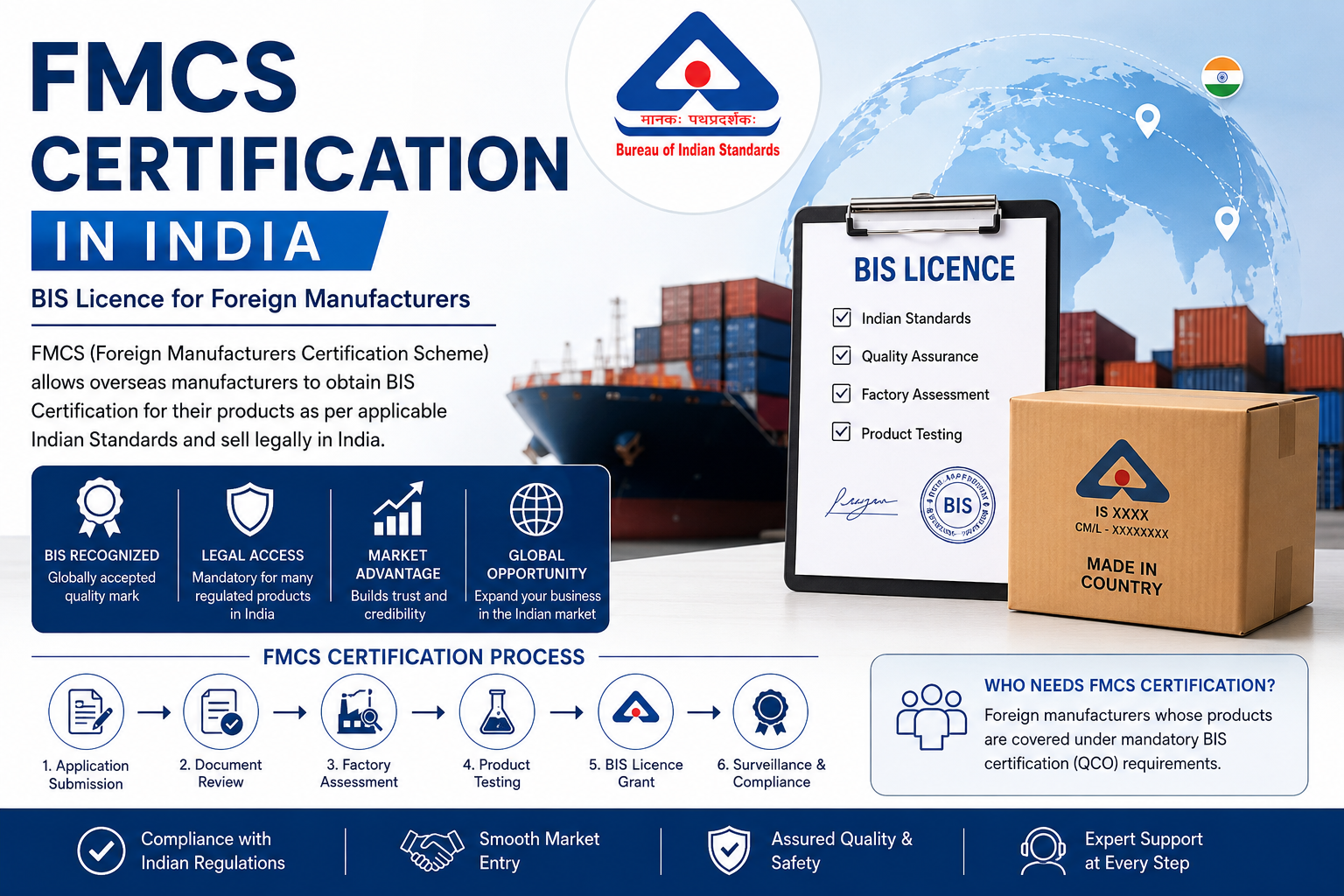
BIS Certification for Imported Footwear
Validity and Renewal of BIS License
Penalties for Non-Compliance
Benefits of BIS Certification for Footwear
How a BIS Consultant Can Help
Conclusion










:-important-update-for-manufacturers.png)













.png)