FMCS BIS Certification
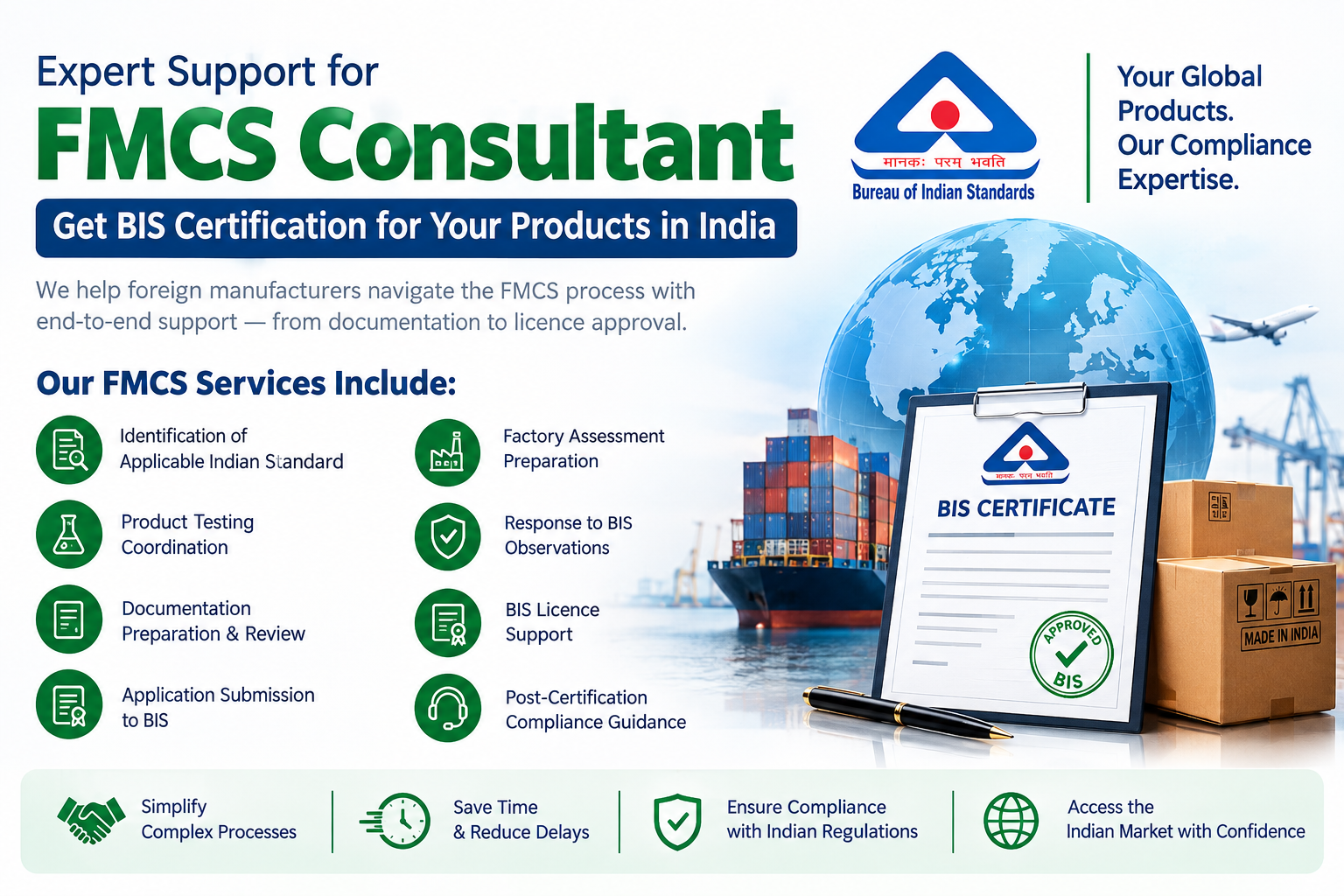
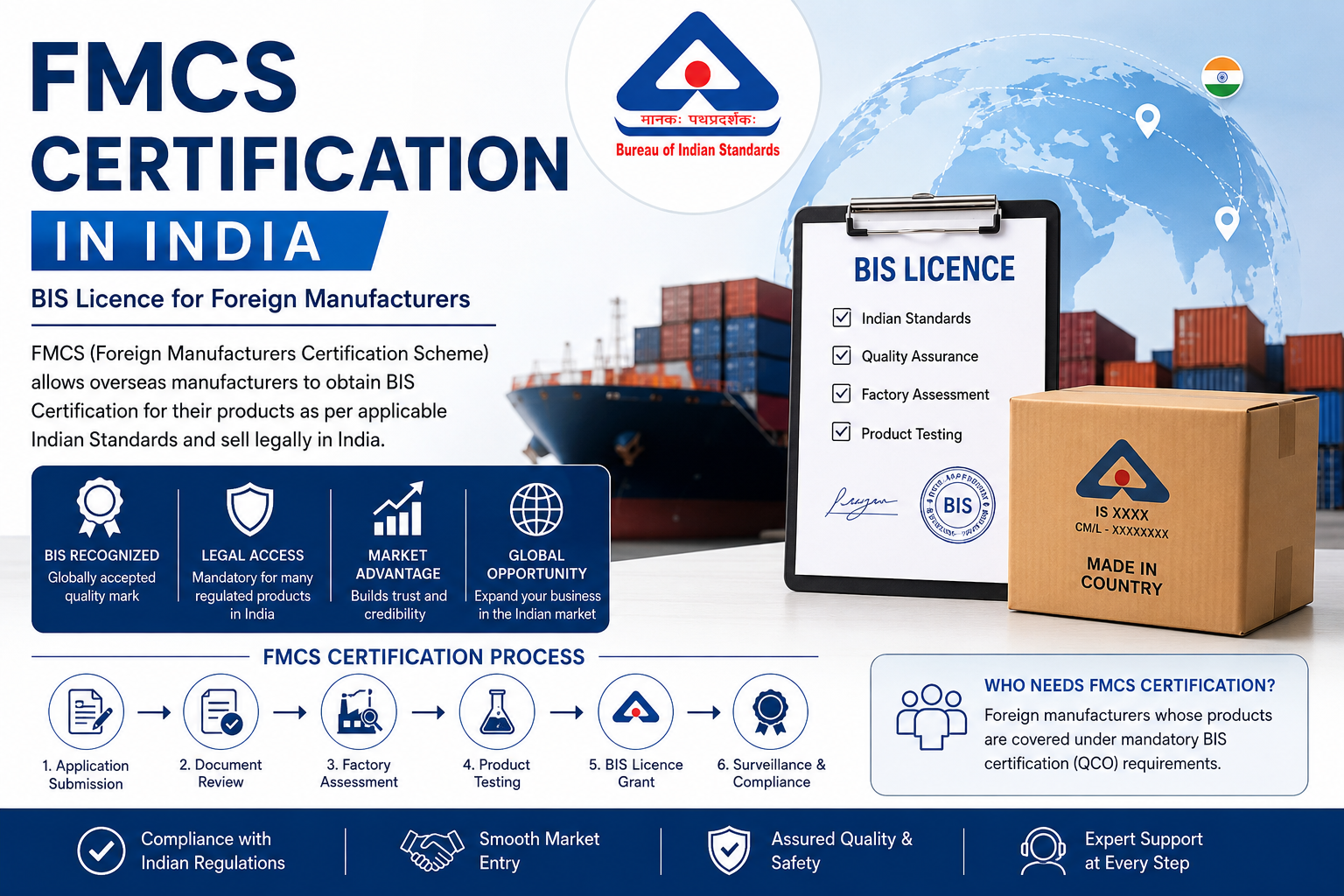
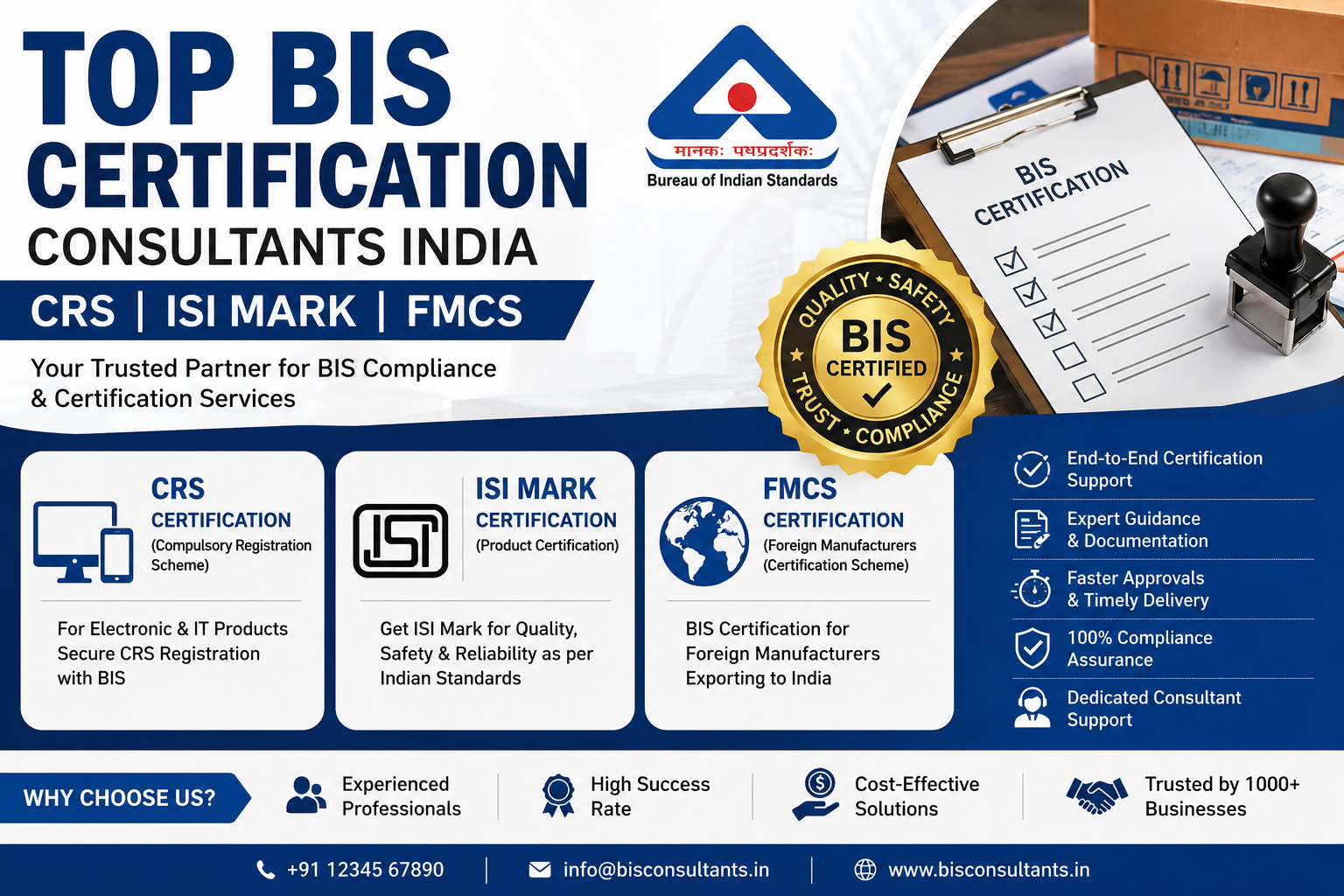
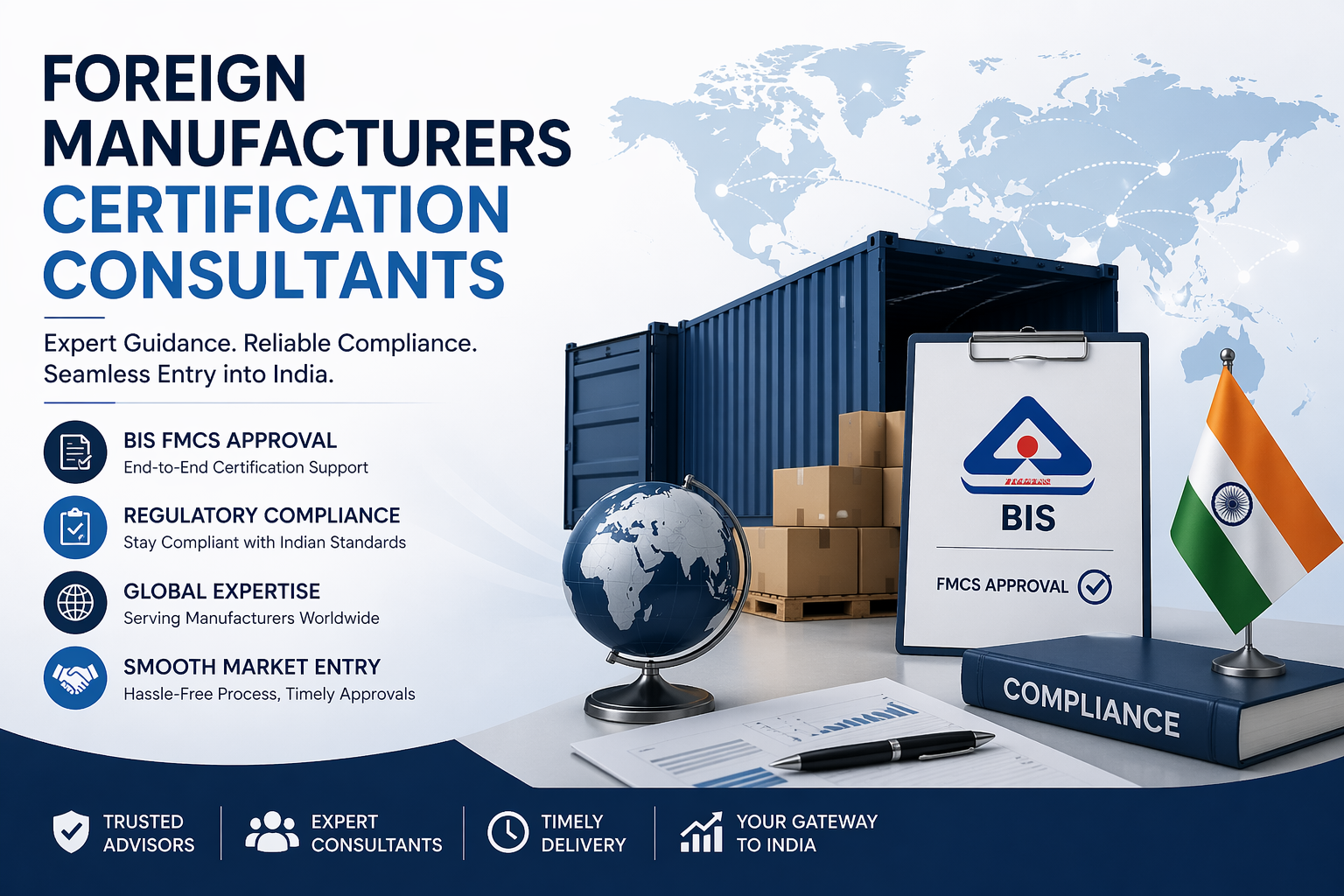
The Foreign Manufacturers Certification Scheme (FMCS) under the Bureau of Indian Standards is a mandatory certification process that allows overseas manufacturers to use the ISI mark on their products for sale in India. This certification ensures that imported products comply with Indian quality and safety standards, helping protect consumers and maintain fair trade practices.
What is FMCS BIS Certification?
FMCS BIS Certification is specifically designed for foreign manufacturers who wish to export products to India that fall under mandatory certification. Under this scheme, manufacturers must obtain a BIS license to use the ISI mark, which indicates that the product conforms to relevant Indian Standards (IS).
Unlike domestic manufacturers, foreign entities must appoint an Authorized Indian Representative (AIR) who acts as a liaison between the manufacturer and BIS authorities. This ensures smooth communication and compliance with Indian regulations.
Importance of FMCS Certification
Obtaining FMCS BIS Certification is crucial for several reasons:
Legal Compliance: Many products cannot be imported or sold in India without BIS certification.
Market Access: Certification allows foreign manufacturers to enter the Indian market without restrictions.
Consumer Trust: The ISI mark assures customers of product quality and safety.
Competitive Advantage: Certified products gain higher acceptance in the Indian marketplace.
Products Covered Under FMCS
A wide range of products falls under the FMCS scheme, including:
Electrical appliances (switches, cables, transformers)
Electronics (IT equipment, batteries)
Chemicals and fertilizers
Cement and construction materials
Automotive components
The list is continuously updated by BIS, so manufacturers must verify whether their product requires certification before exporting.
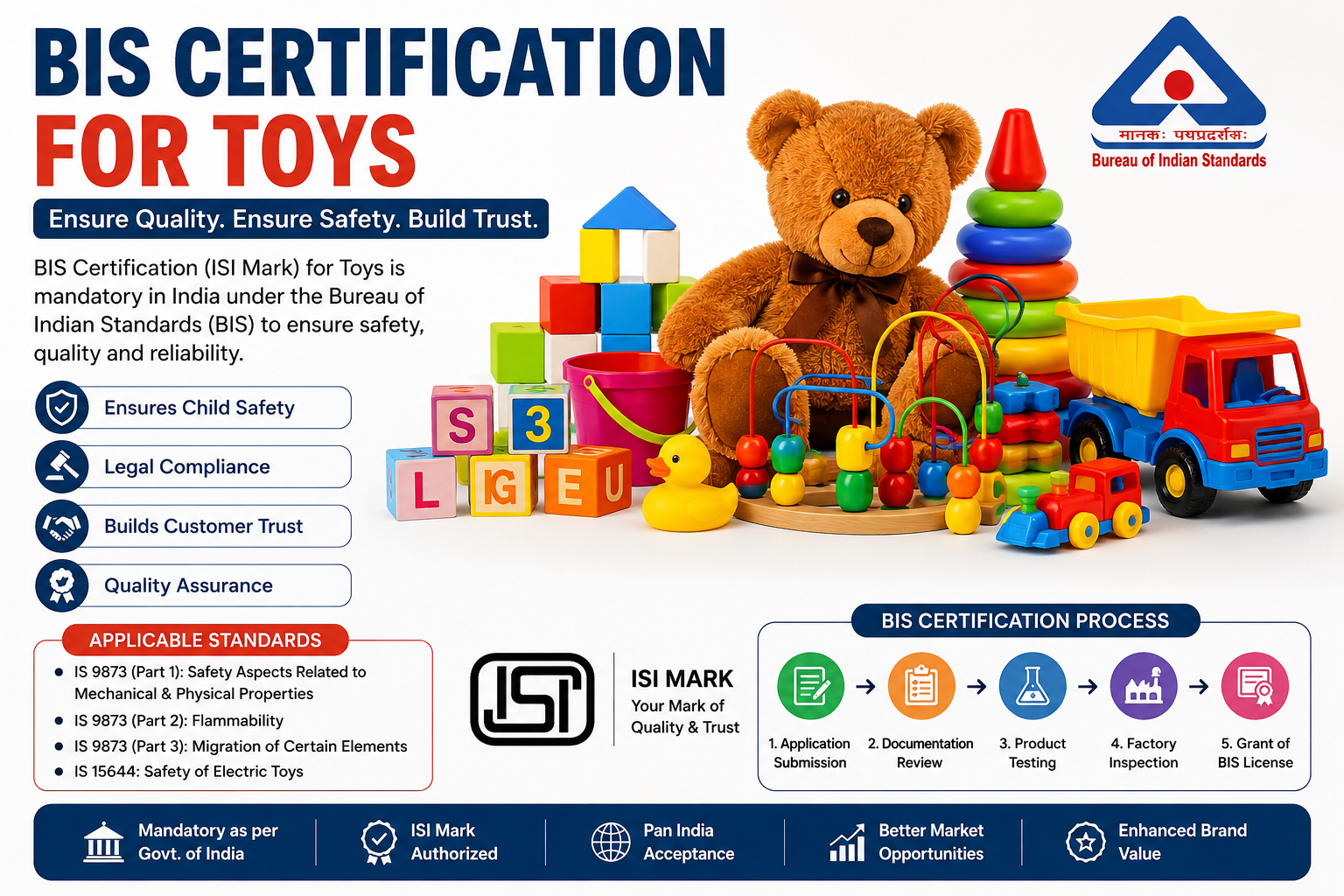
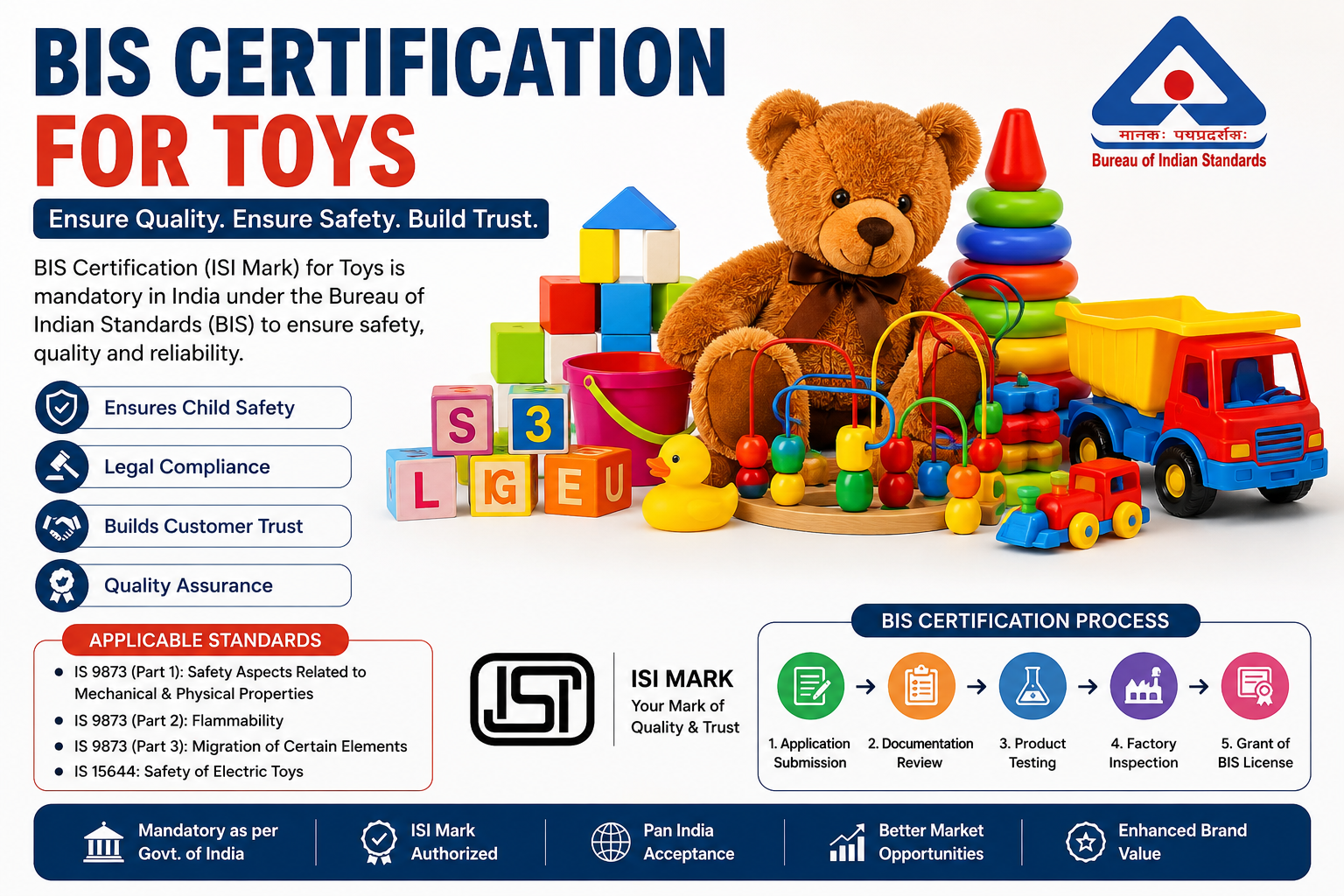
FMCS BIS Certification Process
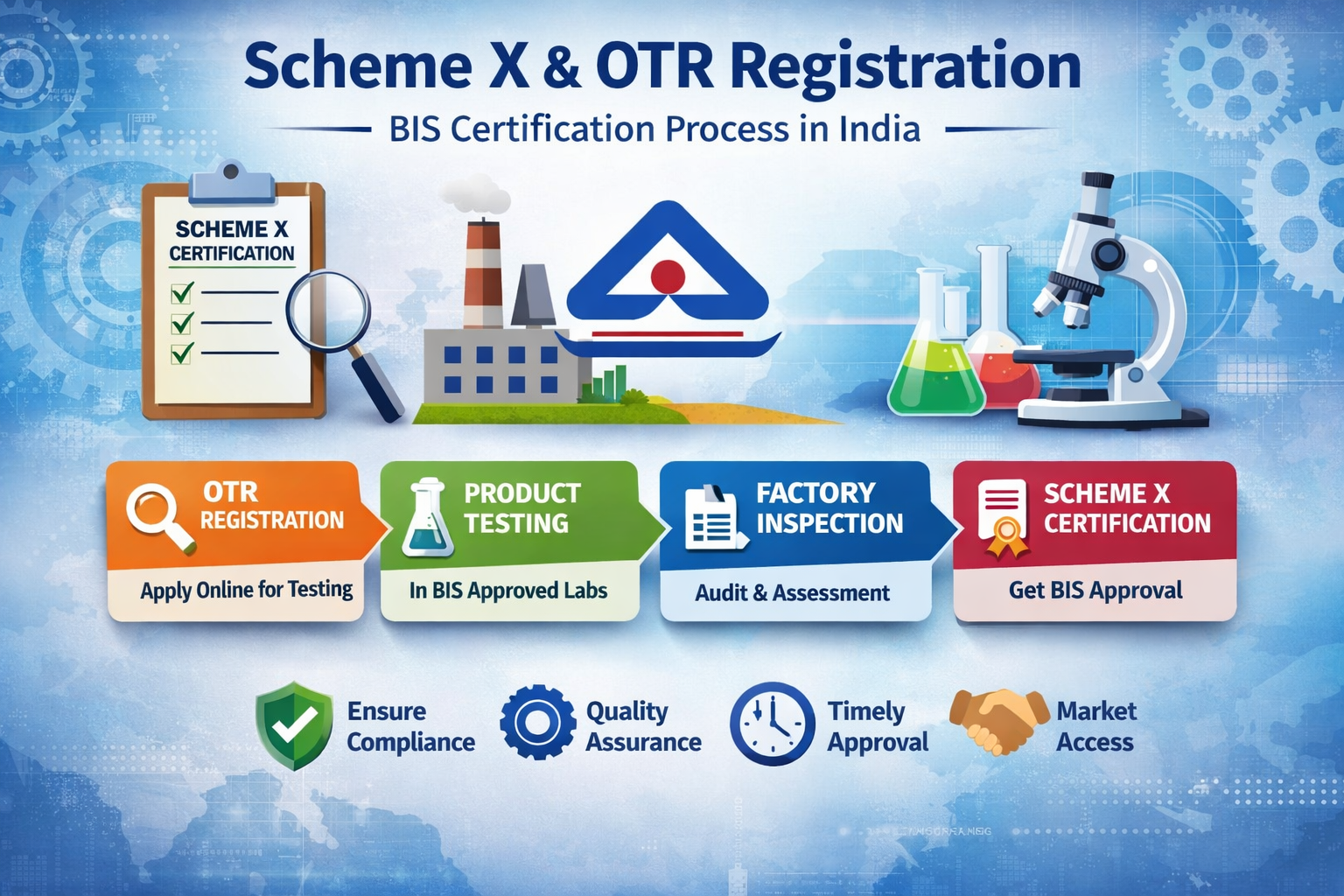
The FMCS certification process involves several steps:
1. Application Submission
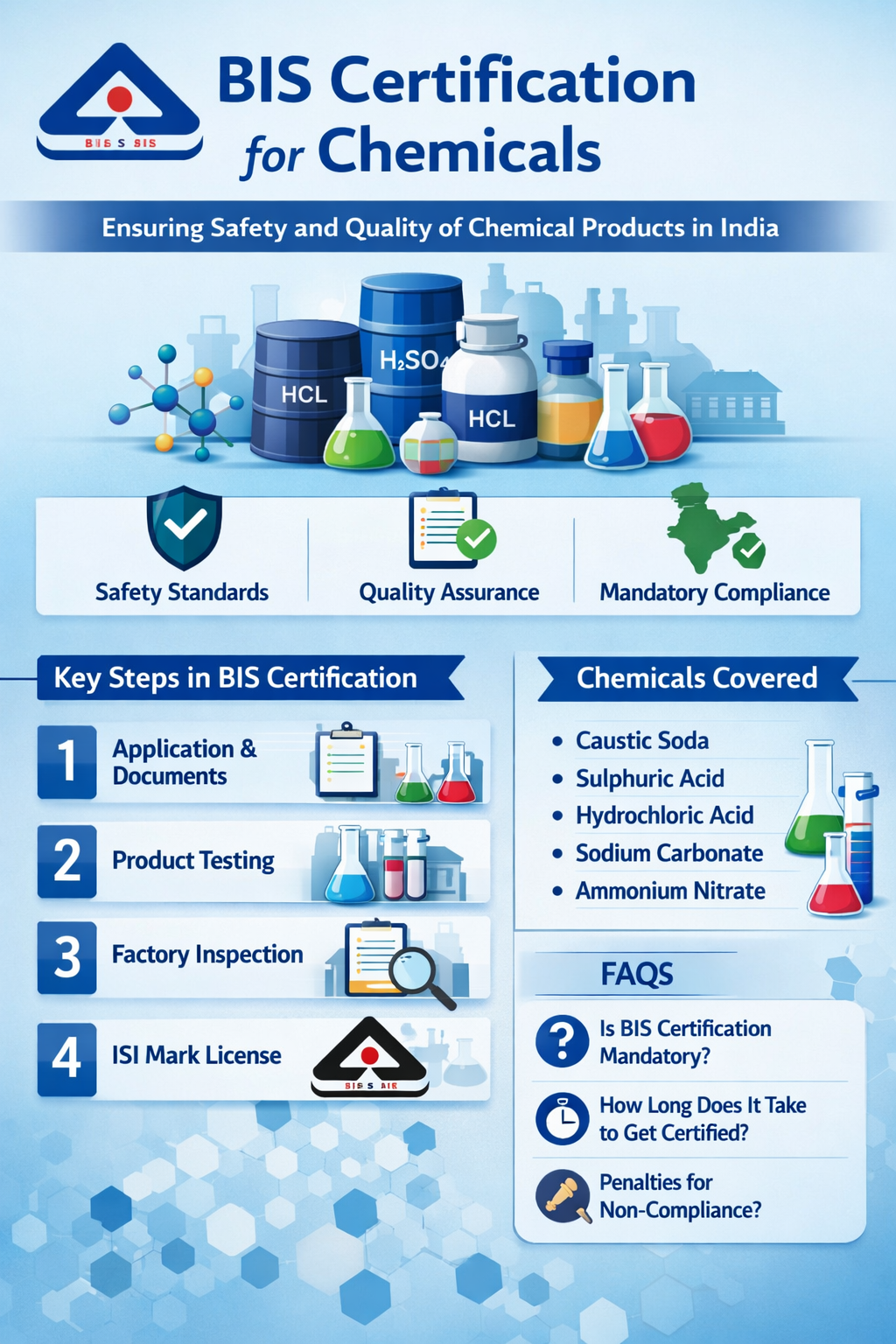
The foreign manufacturer must submit an application to BIS along with necessary documents such as factory details, product specifications, and quality control procedures.
2. Appointment of AIR
An Authorized Indian Representative must be ??????? to handle compliance and communication with BIS.
3. Product Testing
Samples are tested in BIS-recognized laboratories to ensure compliance with applicable Indian Standards.
4. Factory Inspection
BIS officials conduct a factory audit to verify manufacturing processes, quality control systems, and testing capabilities.
5. Grant of License
If the product meets all requirements, BIS grants a license allowing the manufacturer to use the ISI mark.
6. Surveillance and Renewal
Periodic inspections and testing are conducted to ensure ongoing compliance.
Documents Required
Some of the key documents required for FMCS BIS Certification include:
Business license of the manufacturer
Manufacturing process details
Quality control and testing equipment list
Product test reports
Authorization letter for AIR
Trademark registration (if applicable)
Proper documentation plays a vital role in avoiding delays or rejection.
Challenges in FMCS Certification
Foreign manufacturers may face several challenges, such as:
Complex regulatory requirements
Coordination with Indian representatives
Delays in testing and inspection
Understanding Indian standards and compliance norms
This is why many businesses prefer working with experienced consultants who specialize in BIS certification services.
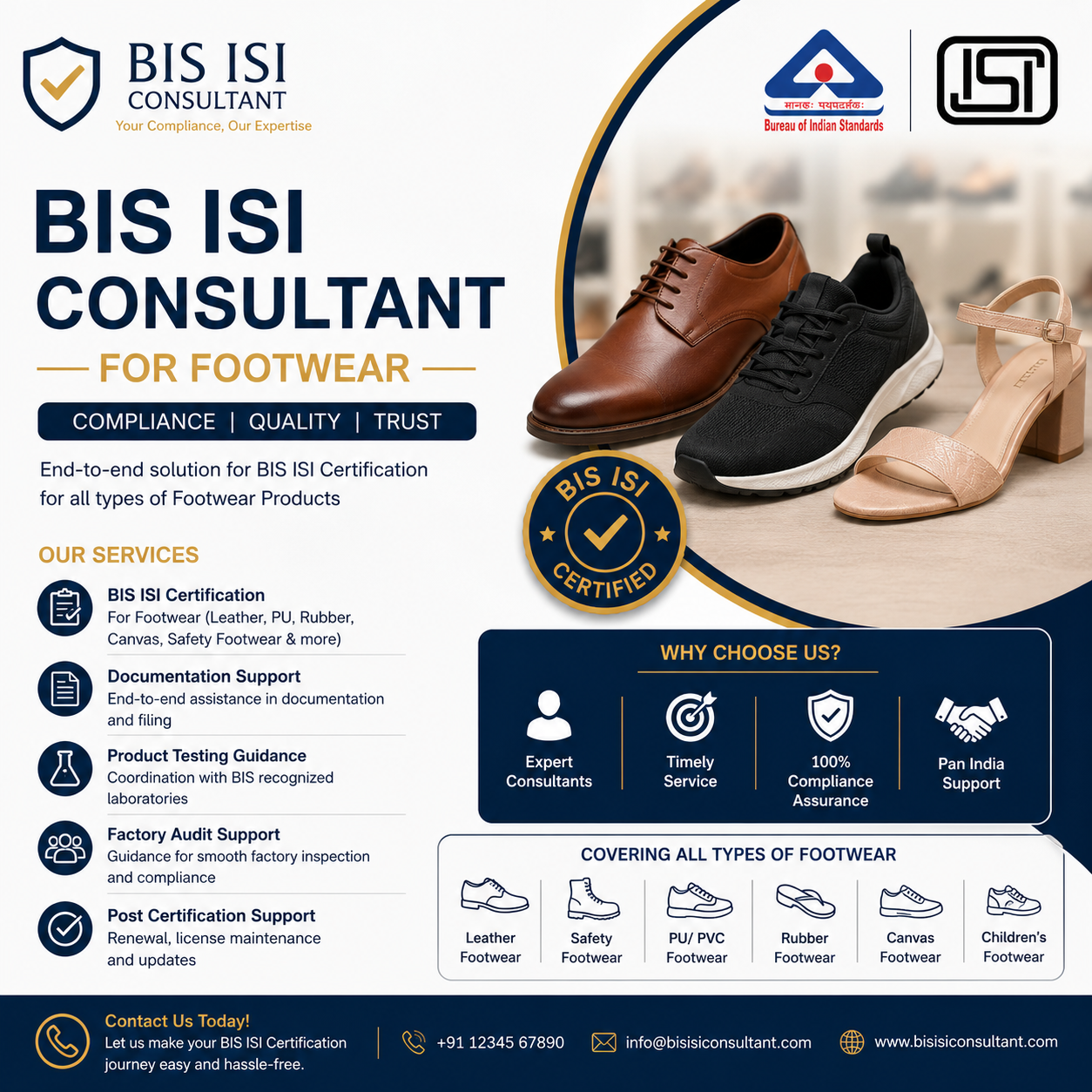
Role of a BIS Consultant
A professional consultant simplifies the entire FMCS certification process by:
Assisting in documentation and application filing
Coordinating with BIS authorities
Managing testing and inspection procedures
Ensuring timely approval and compliance
With expert guidance, manufacturers can avoid costly mistakes and speed up market entry.
Validity and Renewal
FMCS BIS Certification is typically granted for one year initially and must be renewed periodically. Continuous compliance with Indian standards is mandatory to maintain the license.
Conclusion
FMCS BIS Certification is a critical requirement for foreign manufacturers looking to enter the Indian market. It not only ensures regulatory compliance but also enhances product credibility and customer trust. Although the process may seem complex, proper planning and expert assistance can make it smooth and efficient.
For businesses aiming to expand into India, obtaining FMCS certification is not just a legal obligation—it is a strategic step toward long-term success in one of the world’s fastest-growing markets.


:-important-update-for-manufacturers.png)





.png)