I CAT Certification Service in India
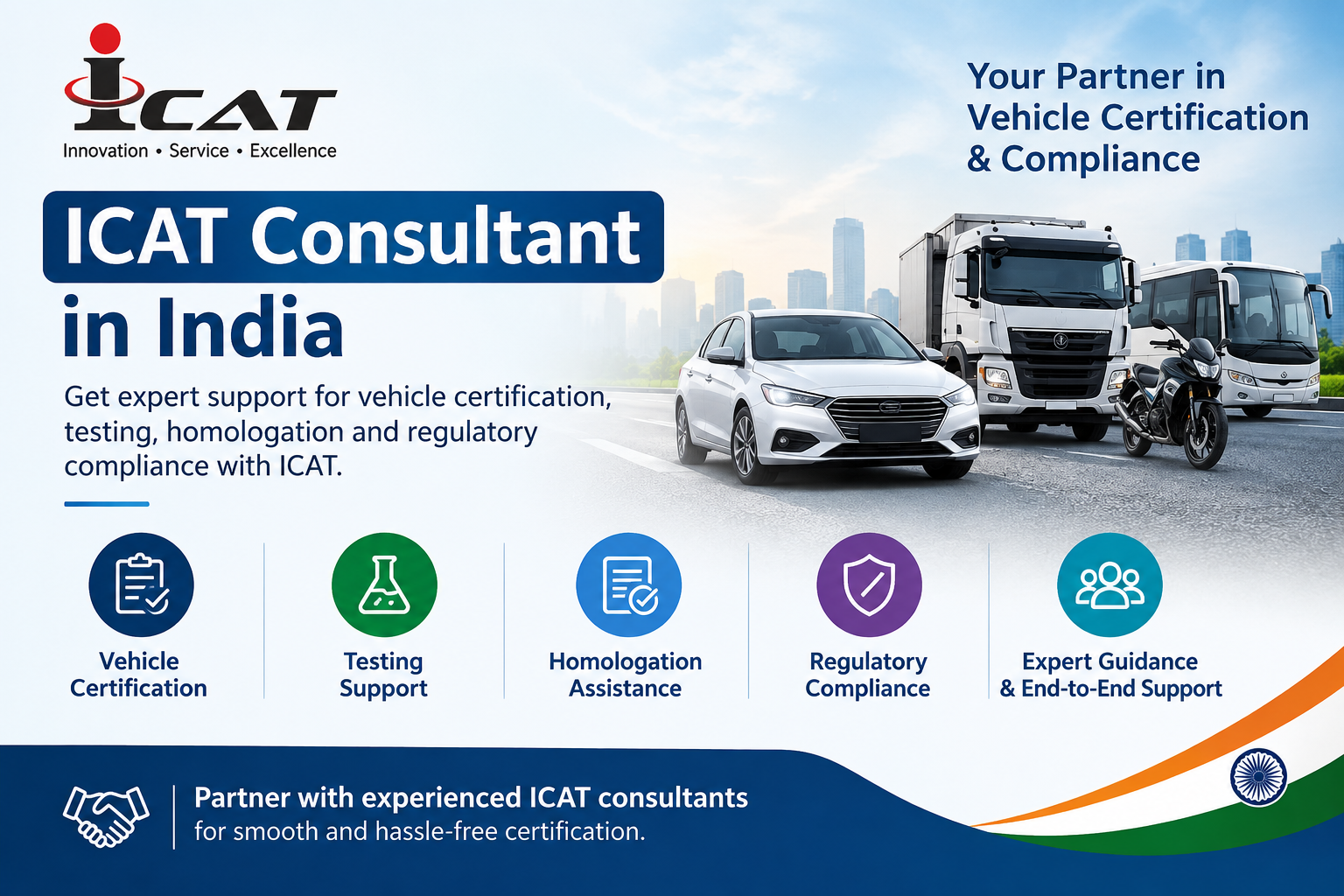
The automotive industry in India is highly regulated to ensure safety, environmental compliance, and performance standards. One of the most important certifications in this sector is the i-CAT certification. The International Centre for Automotive Technology (i-CAT) is a leading testing and certification body under the National Automotive Board (NAB), Government of India. It plays a crucial role in approving vehicles and automotive components before they enter the market. Businesses involved in manufacturing or importing automotive products must obtain i-CAT certification to ensure compliance with Indian regulations. i-CAT certification is a mandatory approval process for vehicles, automotive components, and systems to ensure they meet Indian safety, emission, and performance standards. It is part of the broader homologation process required under the Central Motor Vehicle Rules (CMVR). This certification verifies that a product complies with the standards set by regulatory authorities and is safe for use on Indian roads. Manufacturers, importers, and automotive businesses must undergo i-CAT testing and certification before launching their products. The certification process includes detailed testing, documentation, and technical evaluation. i-CAT certification is essential for several reasons: Legal Compliance: It ensures that vehicles and components comply with Indian laws and regulations. Market Entry: Without certification, products cannot be sold or registered in India. Safety Assurance: It guarantees that vehicles meet safety standards for public use. Environmental Protection: It ensures compliance with emission norms like BS6 (Bharat Stage VI). Brand Credibility: Certified products gain trust from customers and authorities. i-CAT certification applies to a wide range of automotive products, including: Passenger vehicles and commercial vehicles Two-wheelers and three-wheelers Electric vehicles (EVs) Automotive components such as brakes, lighting systems, tires, and batteries Retrofitment kits (like CNG/LPG kits) The certification process involves several key steps: Application Submission: Documentation Review: Product Testing: Inspection and Evaluation: Certification Approval: Post-Certification Compliance: Some common documents include: Business registration certificate Technical specifications and drawings Bill of materials (BOM) Test reports (if available) Quality control documents Manufacturing process details An i-CAT consultant plays a vital role in simplifying the certification process. Due to the technical and regulatory complexities involved, businesses often face challenges in documentation, testing, and compliance. A professional consultant helps streamline the entire process. An experienced i-CAT consultant provides end-to-end support, including: Documentation Assistance: Preparing and verifying all required documents Application Filing: Ensuring correct submission of applications Technical Guidance: Helping understand applicable standards and requirements Testing Coordination: Liaising with testing laboratories for smooth execution Compliance Support: Ensuring adherence to CMVR and other regulations Follow-ups: Managing communication with authorities to avoid delays Working with a professional consultant offers several advantages: Time Efficiency: Faster approval through proper planning and execution Error Reduction: Minimizes chances of rejection due to incorrect documentation Expert Knowledge: Access to updated regulatory information Cost Savings: Avoids unnecessary testing and delays Hassle-Free Process: End-to-end support reduces workload for businesses Some common challenges faced by businesses include: Complex regulatory requirements Frequent updates in standards (like BS6 norms) Technical documentation preparation Delays in testing and approvals Lack of awareness about compliance procedures These challenges can be effectively managed with the help of an experienced i-CAT consultant. i-CAT certification is a critical requirement for automotive businesses in India. It ensures that vehicles and components meet safety, performance, and environmental standards before entering the market. However, the process can be complex and time-consuming without proper guidance. An i-CAT consultant helps businesses navigate the certification process smoothly by providing expert support, reducing delays, and ensuring compliance with all regulatory requirements. Whether you are a manufacturer, importer, or startup in the automotive sector, professional consultancy services can significantly simplify your journey toward certification and market success.What is iCAT certification?
Importance of i-CAT Certification in India
Products Covered Under i-CAT Certification
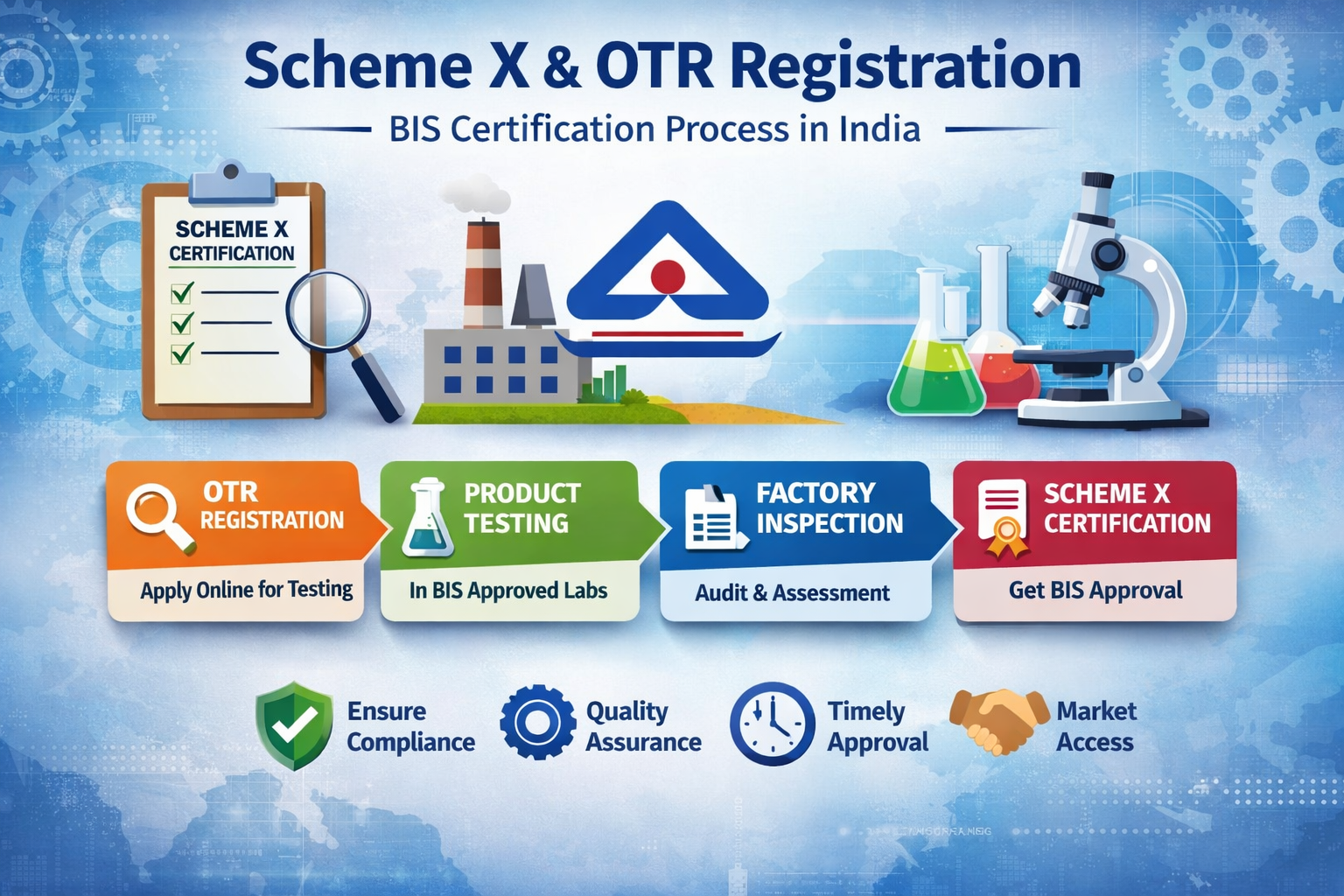
i-CAT Certification Process
The manufacturer or importer submits an application along with product details, technical specifications, and required documents.
Experts review the submitted documents to ensure compliance with regulatory requirements.
The product is tested in accredited laboratories for safety, performance, and emission standards.
Technical experts evaluate test results and inspect the product if required.
Once all requirements are met, the i-CAT certificate is issued.
Regular audits and compliance checks may be conducted to maintain certification validity.Documents Required for i-CAT Certification
Role of an i-CAT Consultant
Services Offered by i-CAT Consultants
Benefits of Hiring an i-CAT Consultant
Challenges in i-CAT Certification
Conclusion
:-important-update-for-manufacturers.png)




.png)