BIS Registration of Solar Panels
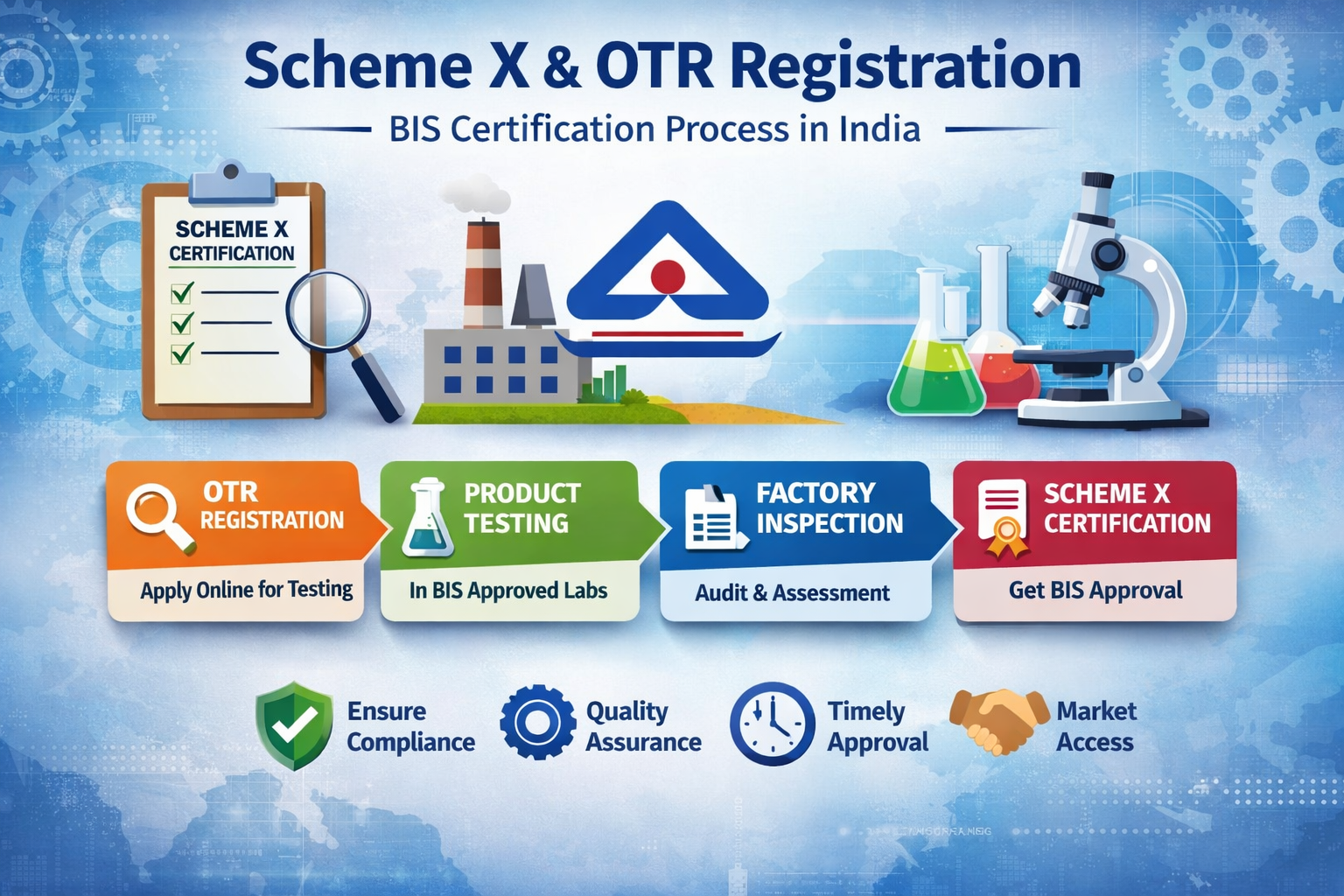
In India, the demand for renewable energy is growing at an unprecedented pace, and solar panels are at the forefront of this transformation. As more companies and manufacturers enter the solar energy sector, ensuring the quality, safety, and performance of solar panels becomes essential. To regulate this, the Bureau of Indian Standards (BIS) has made it mandatory for manufacturers and importers to obtain BIS registration of solar panels before selling or distributing them in the Indian market. The Bureau of Indian Standards (BIS) is the national standards body of India, established to ensure the quality and reliability of products sold in the country. For solar panels, BIS registration ensures that each product meets the required safety, quality, and performance benchmarks. As per the Compulsory Registration Scheme (CRS) under BIS, manufacturers (domestic as well as foreign) must register their products before placing them in the Indian market. This not only builds consumer trust but also helps in eliminating substandard or duplicate products from circulation. For solar panels, BIS certification is essential under the IS 14286 and IS 61730 standards, which outline the safety and design requirements for photovoltaic modules. Assures Quality and Safety – With BIS certification, consumers can be confident that the solar panels are reliable and meet Indian safety standards. Legal Compliance – Selling solar panels without BIS registration is illegal and may lead to penalties, confiscation of goods, or cancellation of business licenses. Boosts Consumer Confidence – Certified products gain more trust from buyers, installers, and government agencies. Supports Government Initiatives – India’s solar mission aims for cleaner energy, and BIS-certified products align with these objectives. Prevents Fake or Substandard Products – BIS certification helps reduce the circulation of low-quality solar panels in the market. The BIS registration for solar photovoltaic modules is based on specific Indian Standards: IS 14286 – Crystalline Silicon Terrestrial Photovoltaic Modules (Design Qualification and Type Approval). IS 61730 (Part 1 & Part 2) – Photovoltaic Module Safety Qualification (covering construction, design, and testing). These standards ensure that solar panels are safe to use, durable, and capable of withstanding Indian climatic conditions. The process of obtaining BIS certification involves several steps and requires careful documentation. Below is a step-by-step guide: Manufacturers must first identify which Indian Standards (IS) apply to their solar panels. For most panels, IS 14286 and IS 61730 are mandatory. The solar panels must be tested in a BIS-recognized laboratory. The lab tests the product as per the prescribed standards to ensure compliance. Manufacturers or importers need to submit an application to BIS along with required documents, such as: Business license or company registration certificate Manufacturing process details Test reports from BIS-recognized labs Authorization documents (for foreign manufacturers through Indian representatives) BIS officials may conduct factory inspections to verify the manufacturing facilities, quality control process, and product samples. If all requirements are met, BIS issues a Registration Certificate, allowing the manufacturer to use the Standard Mark (ISI Mark) on their solar panels. BIS registration is usually valid for two years and can be renewed by submitting updated documents and fees. Application form Business license/registration certificate Authorized Indian representative (for foreign manufacturers) Test reports from BIS-recognized labs Product design and technical details Factory address proof and production details Although essential, the BIS registration process can be complex and time-consuming. Some common challenges include: Lengthy testing process due to technical standards. Documentation errors that may cause delays. Factory inspection difficulties for foreign manufacturers. Compliance costs, especially for small manufacturers. This is why many businesses choose to work with professional BIS consultants, who streamline the application process and help avoid delays. With the increasing adoption of solar energy in India, ensuring the quality and safety of solar panels is non-negotiable. BIS registration of solar panels not only guarantees compliance with Indian standards but also strengthens consumer trust, prevents low-quality imports, and aligns with India’s renewable energy goals. Whether you are a domestic manufacturer or an international company planning to enter the Indian market, obtaining BIS certification is a critical step. Partnering with experienced consultants can make the process smoother and faster, ensuring that your solar panels reach the market without unnecessary delays.What is BIS Registration for Solar Panels?
Why is BIS Registration Important for Solar Panels?
BIS Standards for Solar Panels
Process of BIS Registration for Solar Panels
1. Determine the Applicable Standard
2. Testing of Samples
3. Submission of Application
4. Verification and Inspection
5. Grant of BIS Registration
6. Validity and Renewal
Documents Required for BIS Registration of Solar Panels
Challenges in BIS Registration
Conclusion








:-important-update-for-manufacturers.png)









.png)