BIS Certification in India
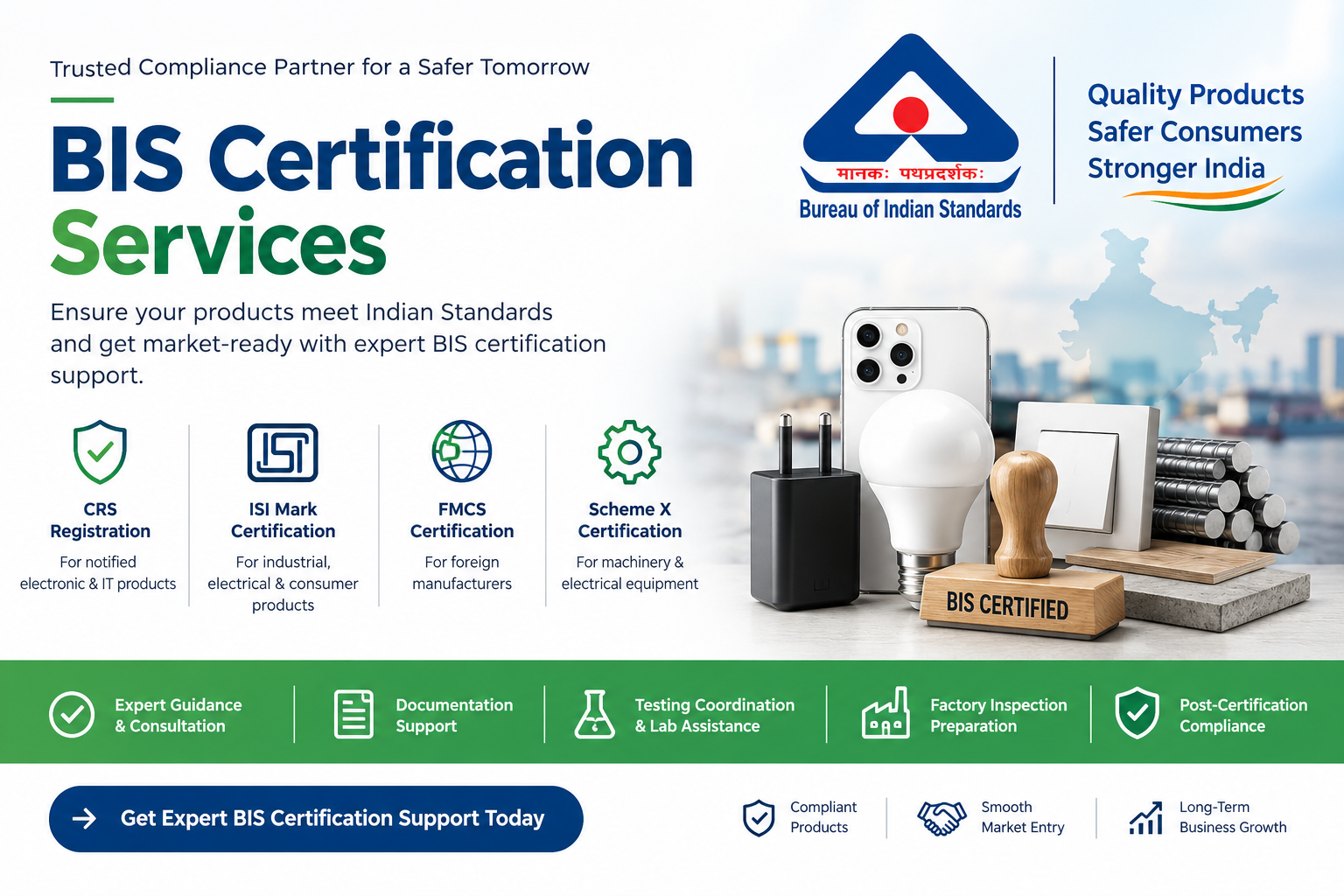
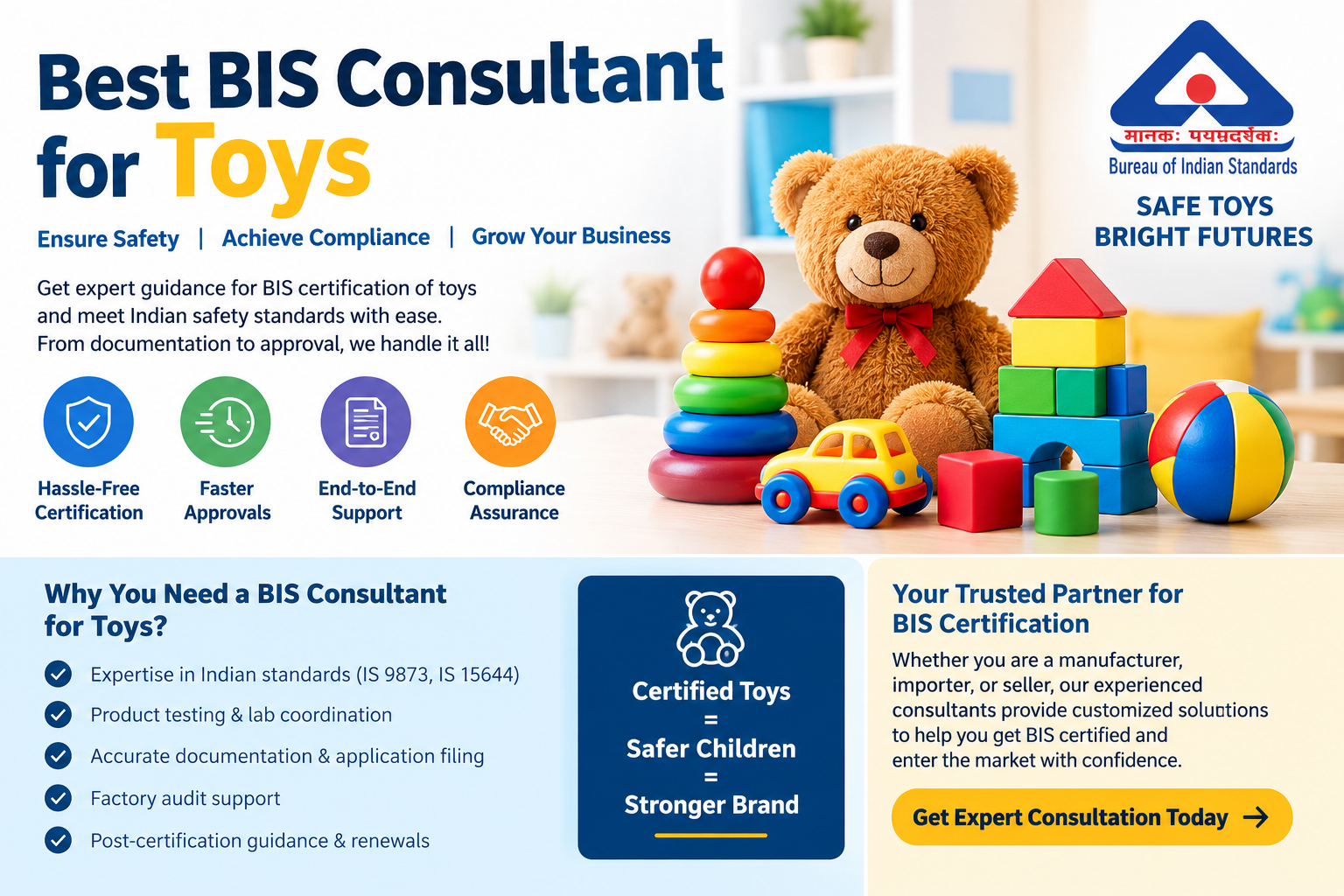
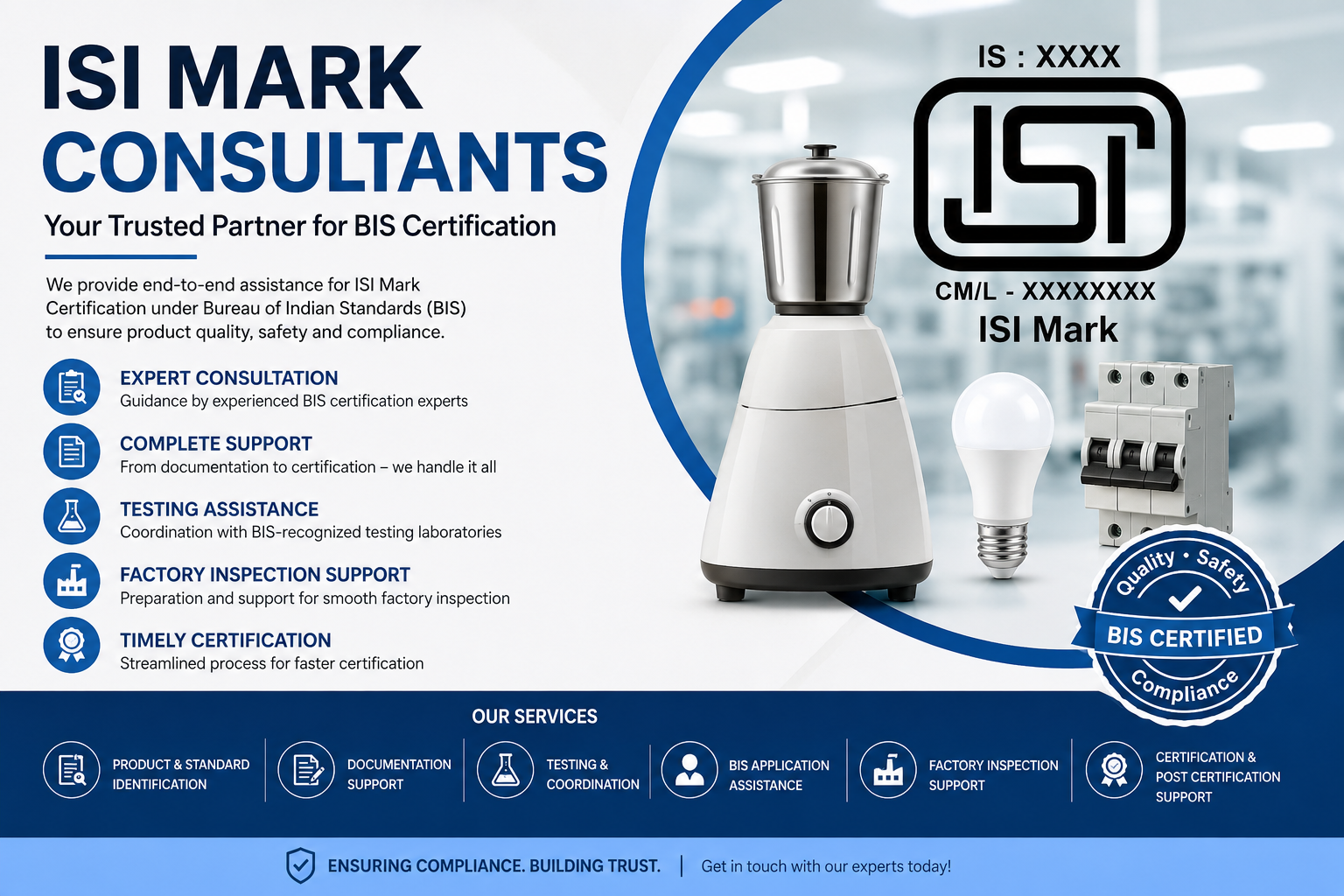
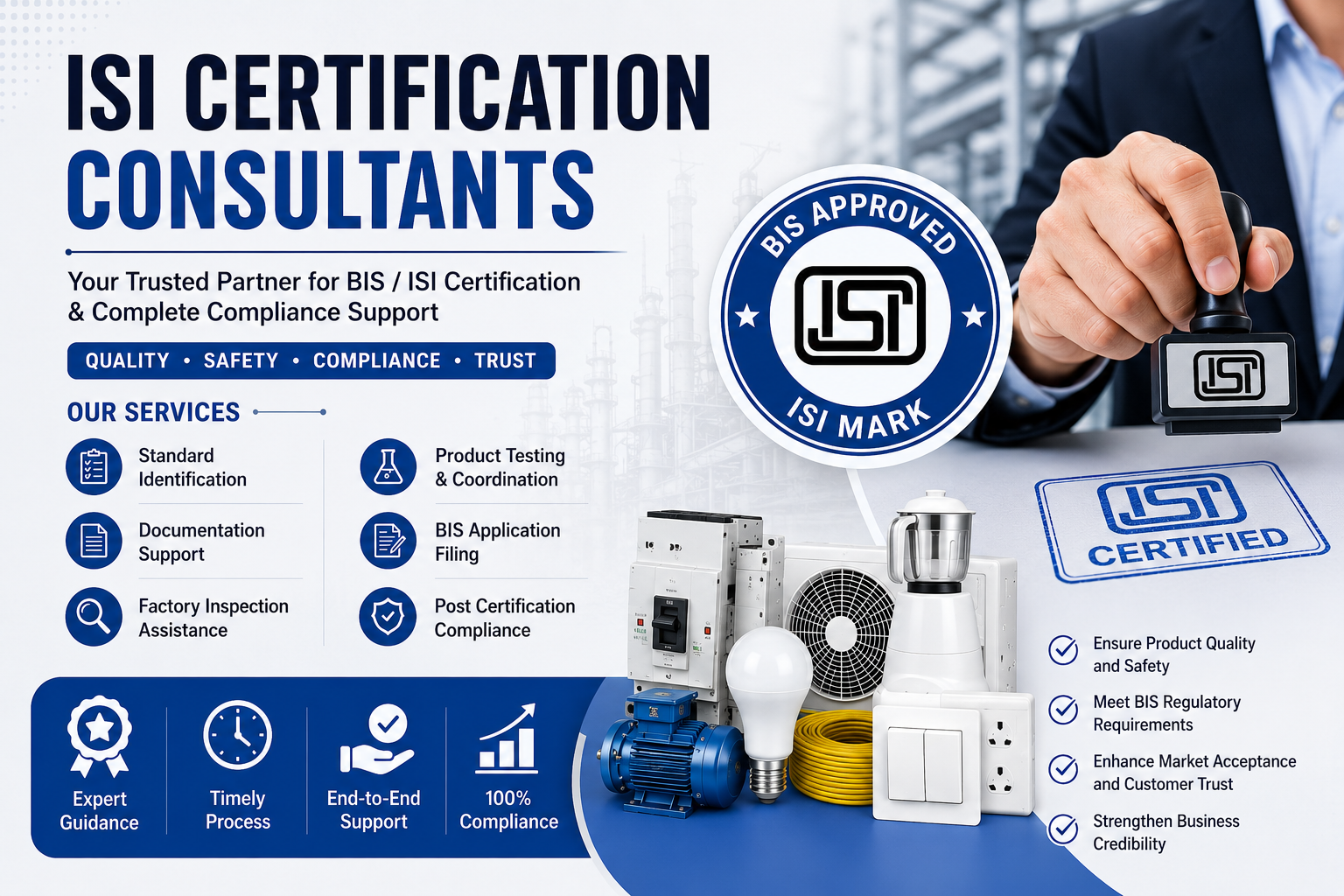
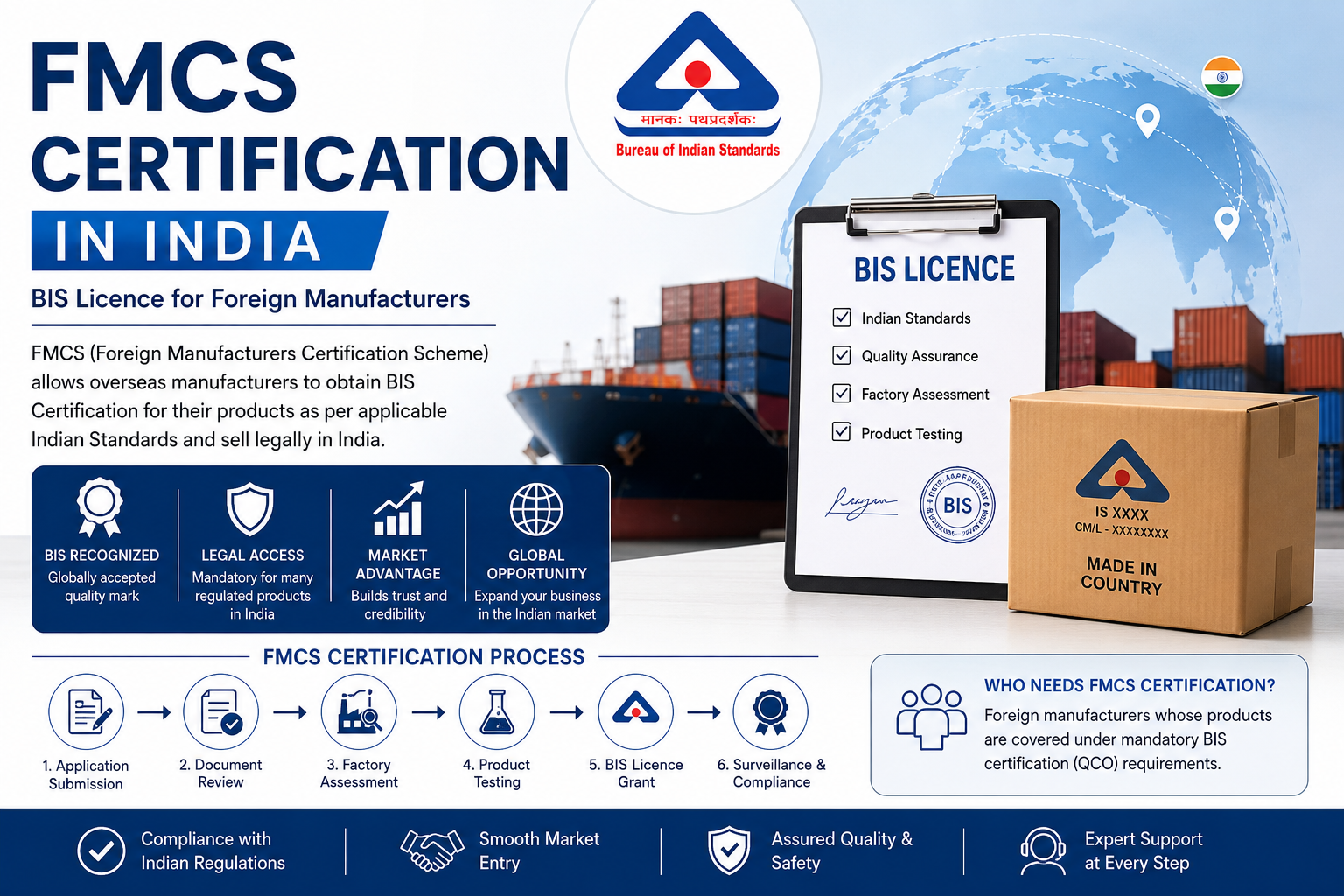
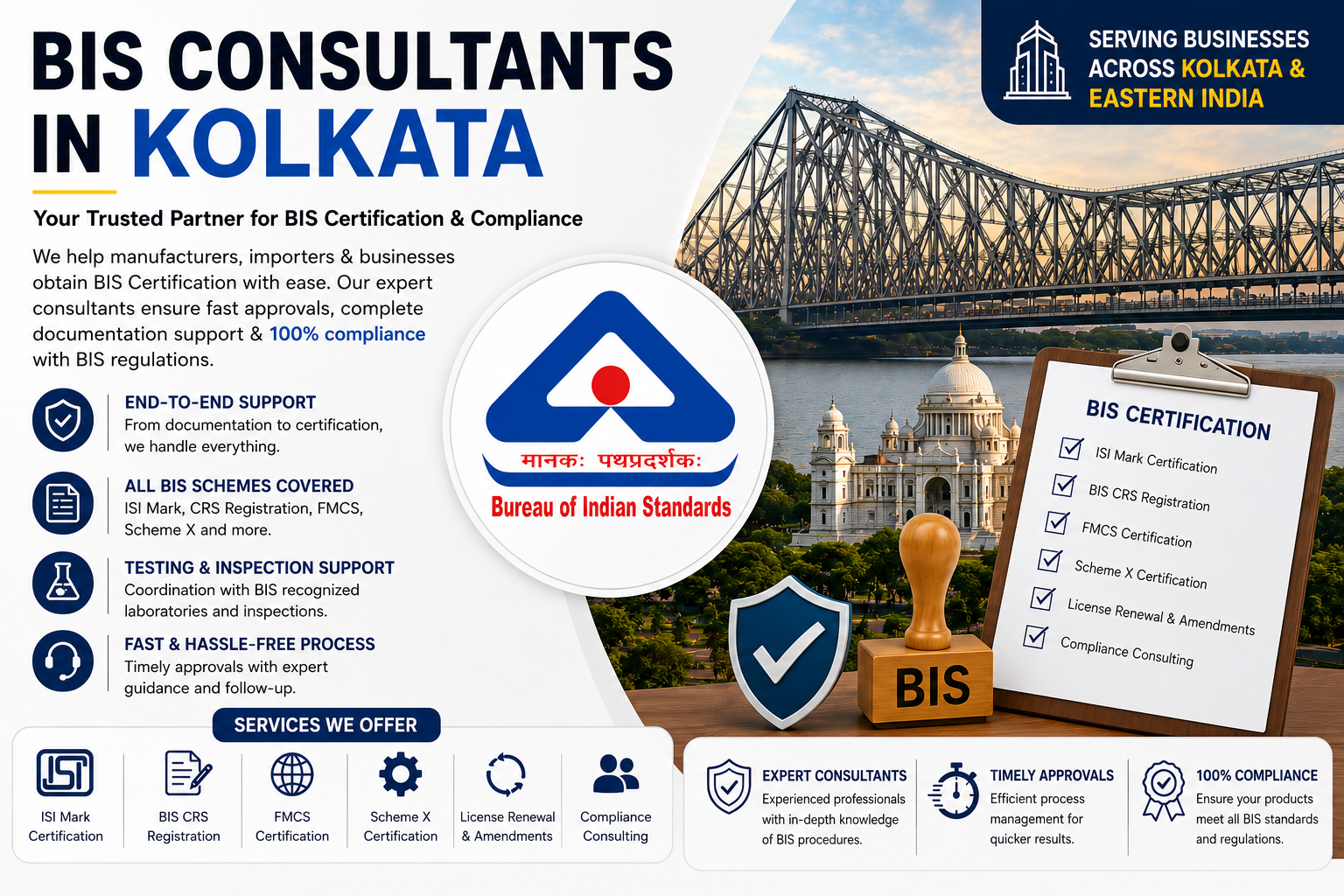
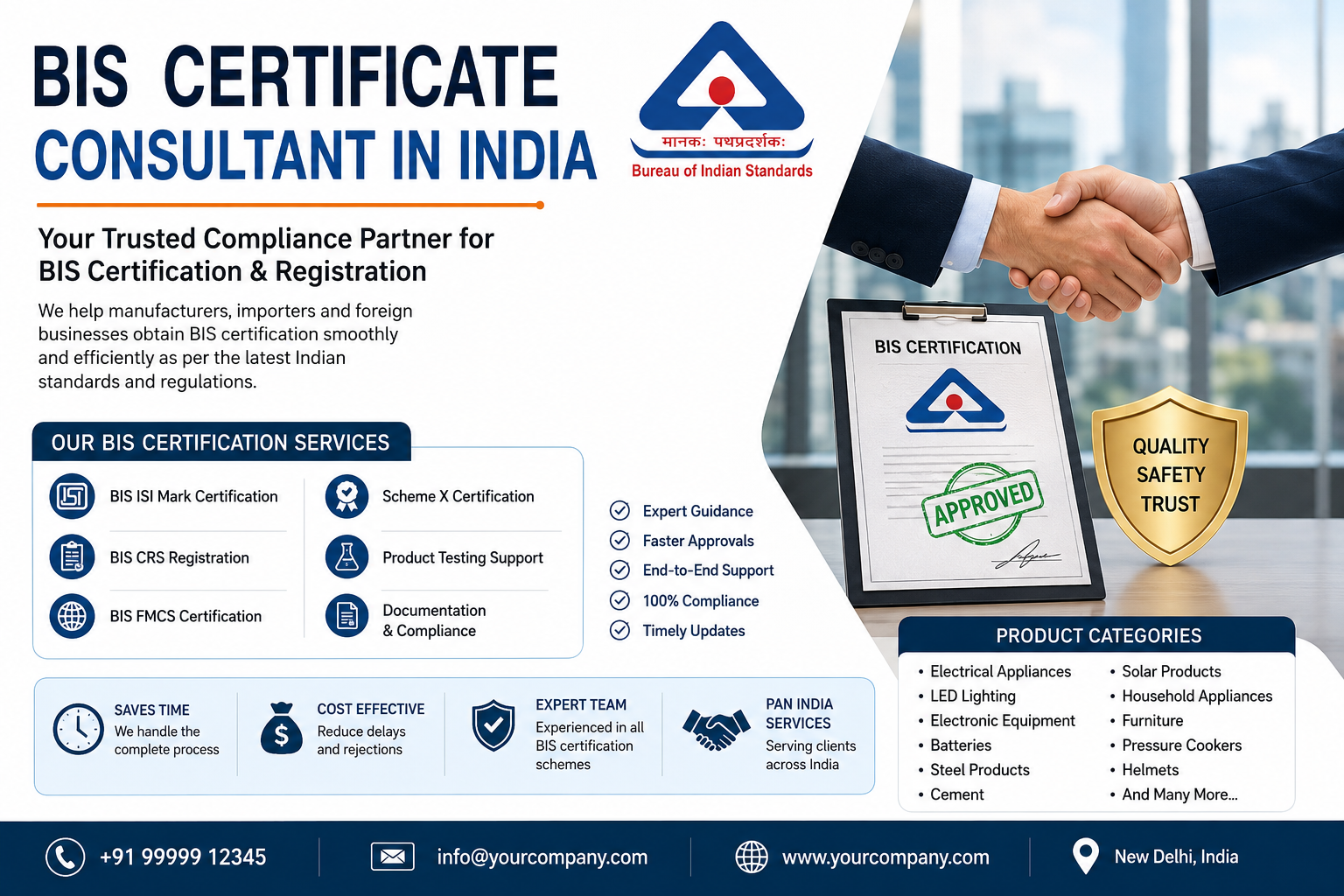
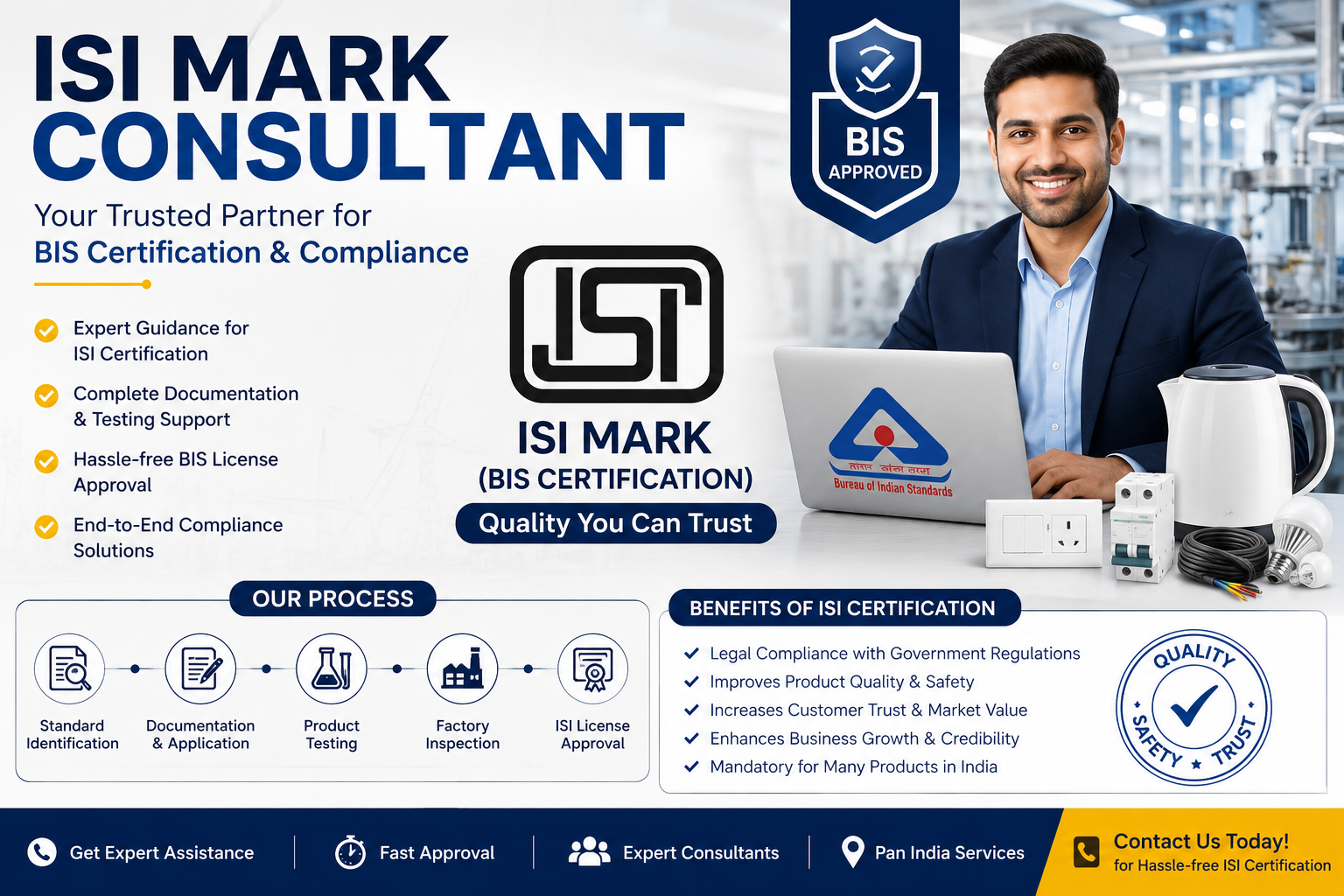
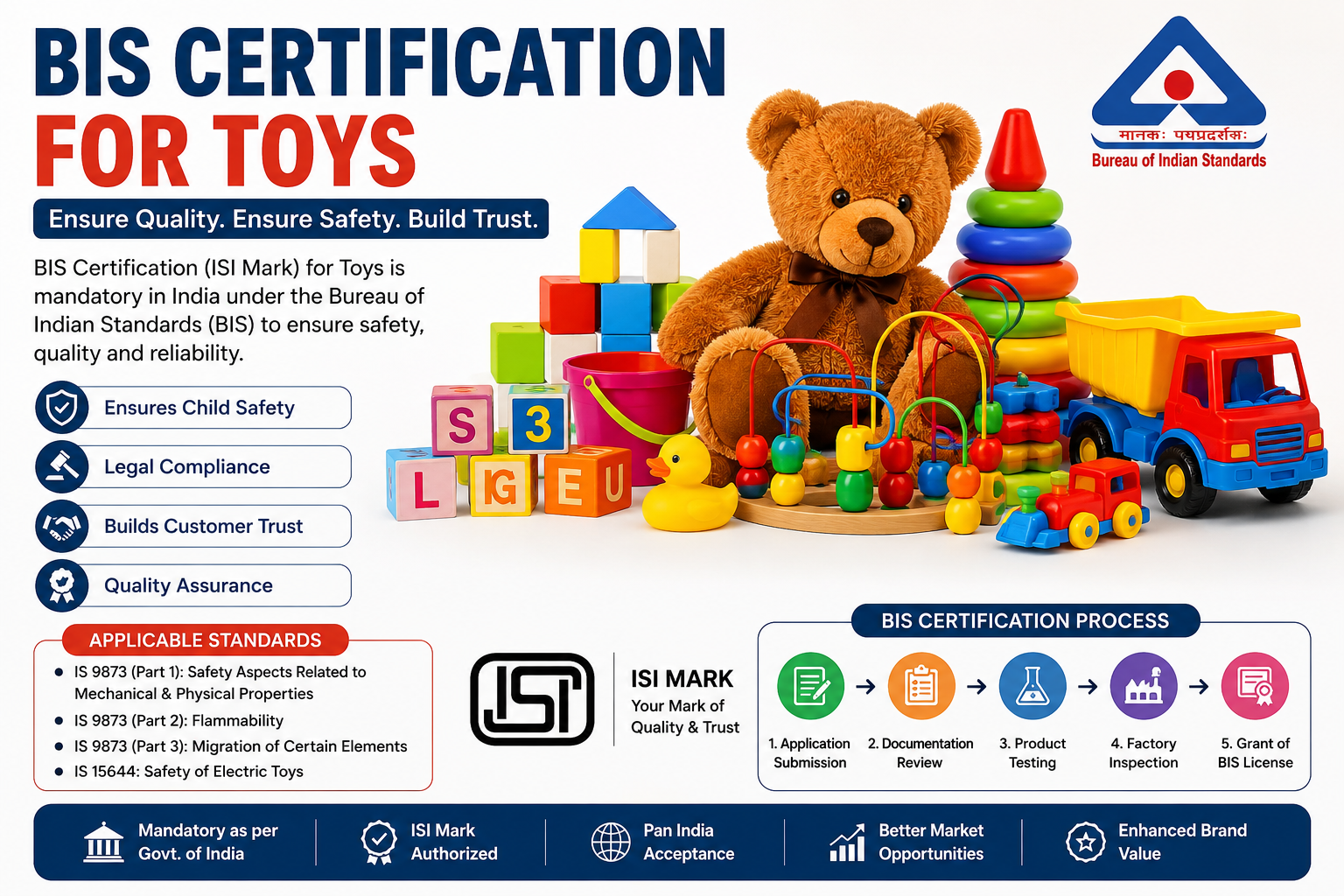
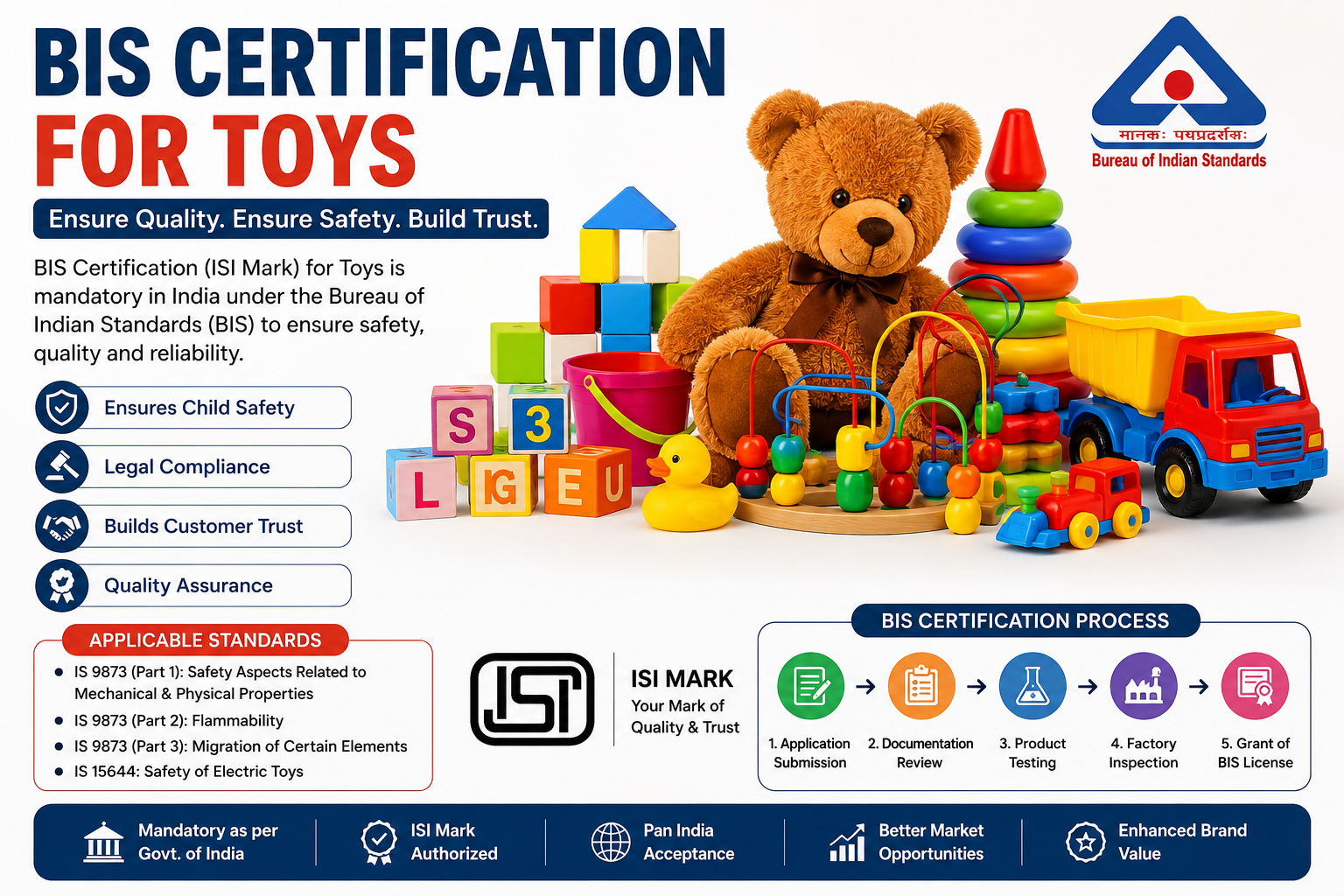
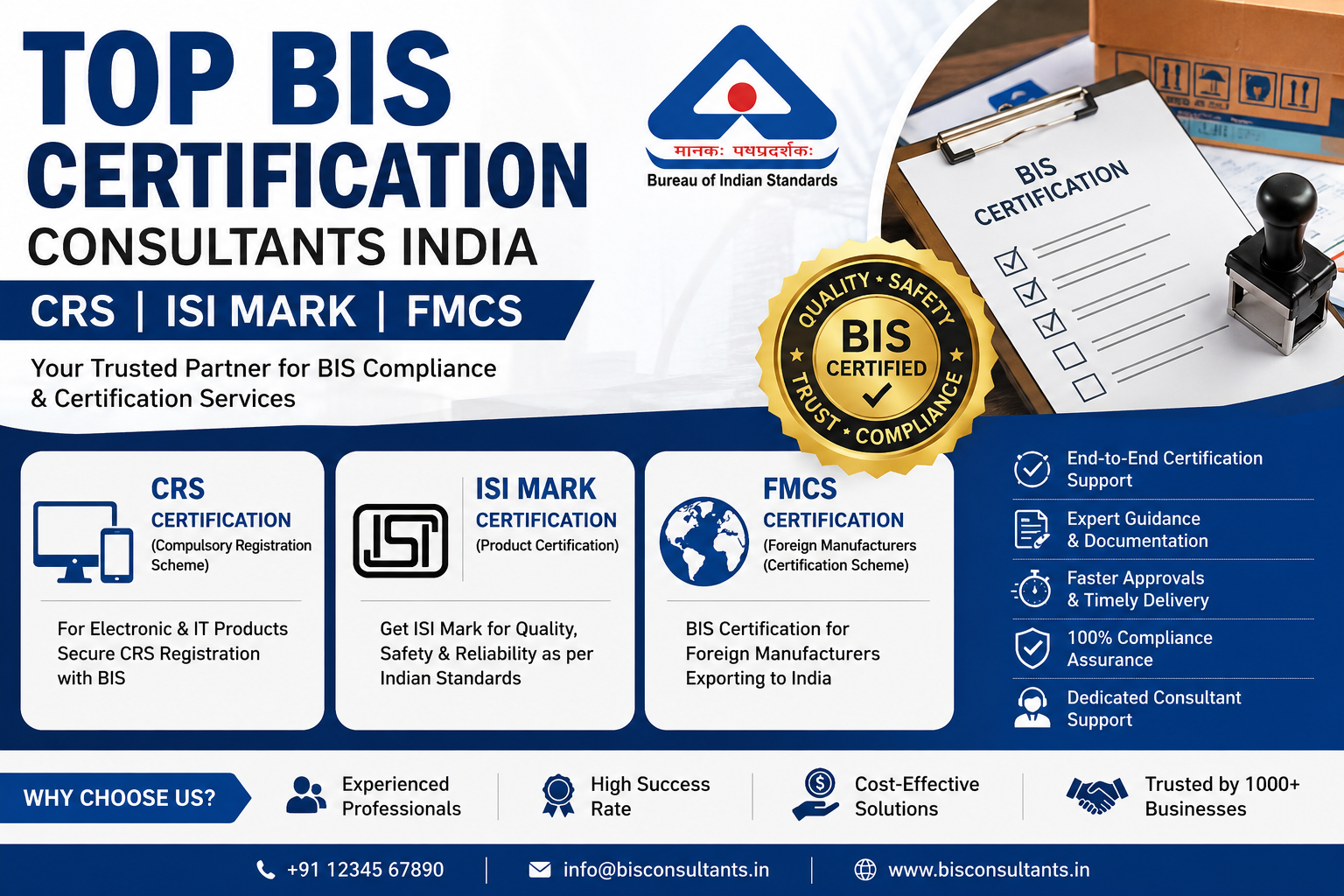
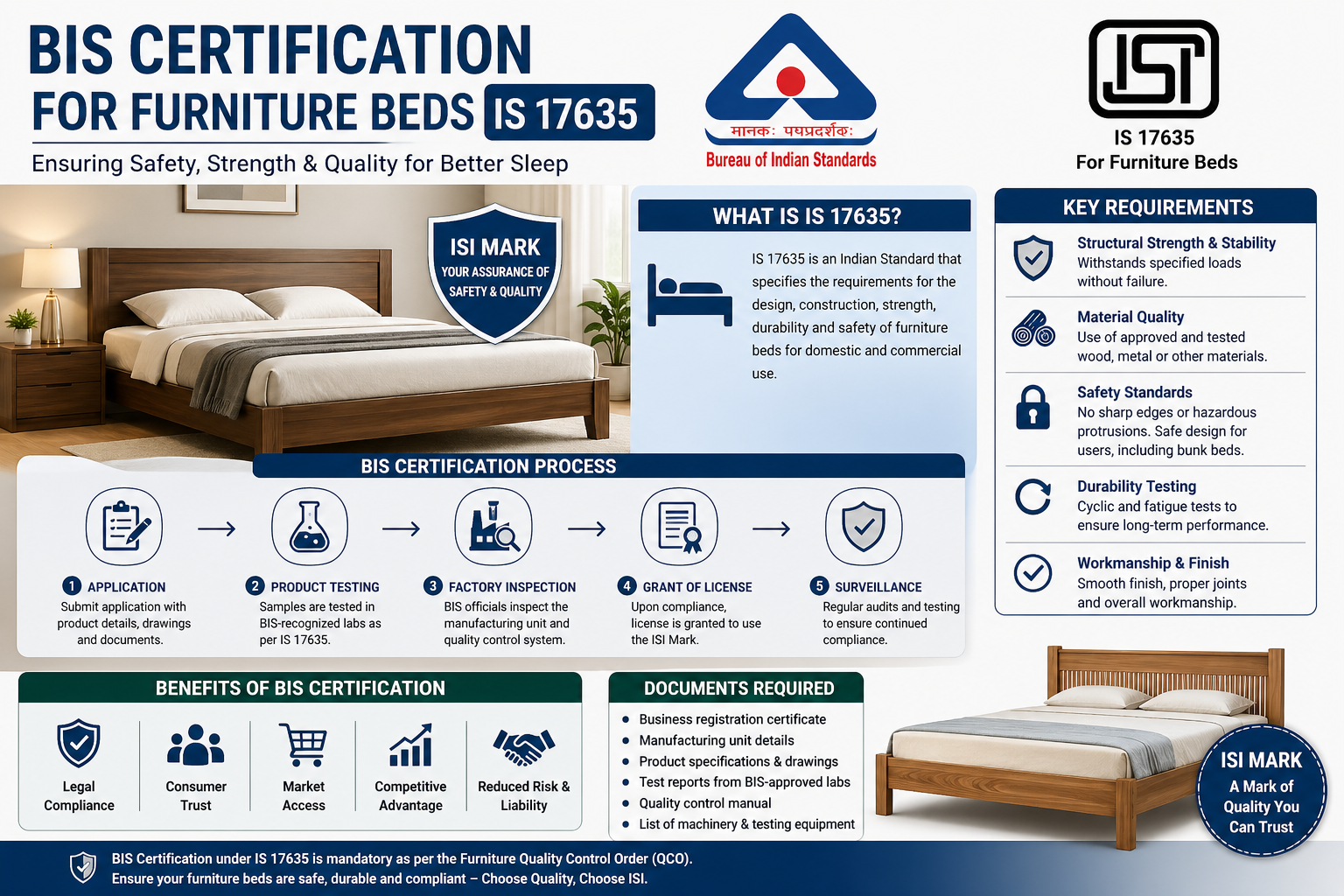
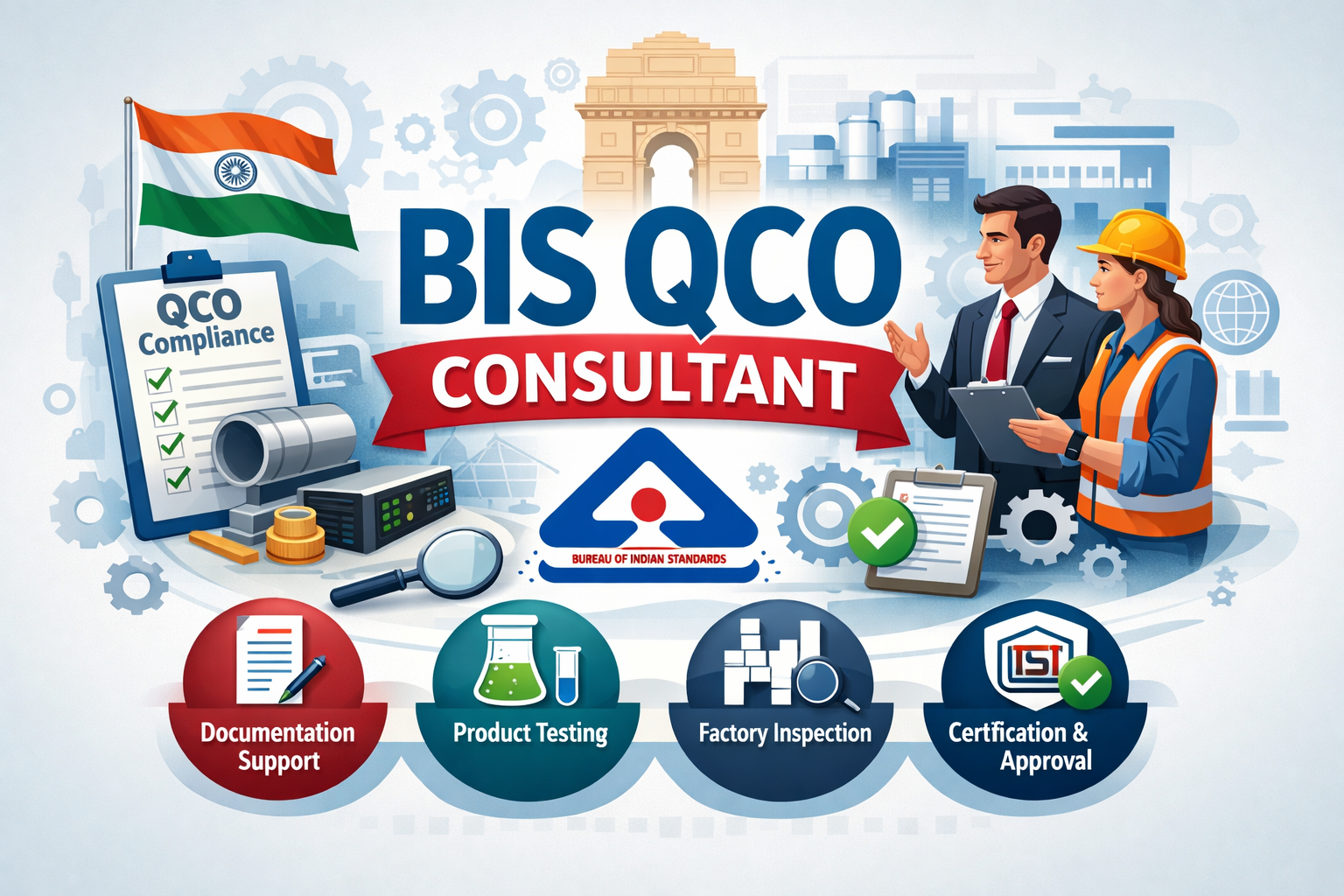
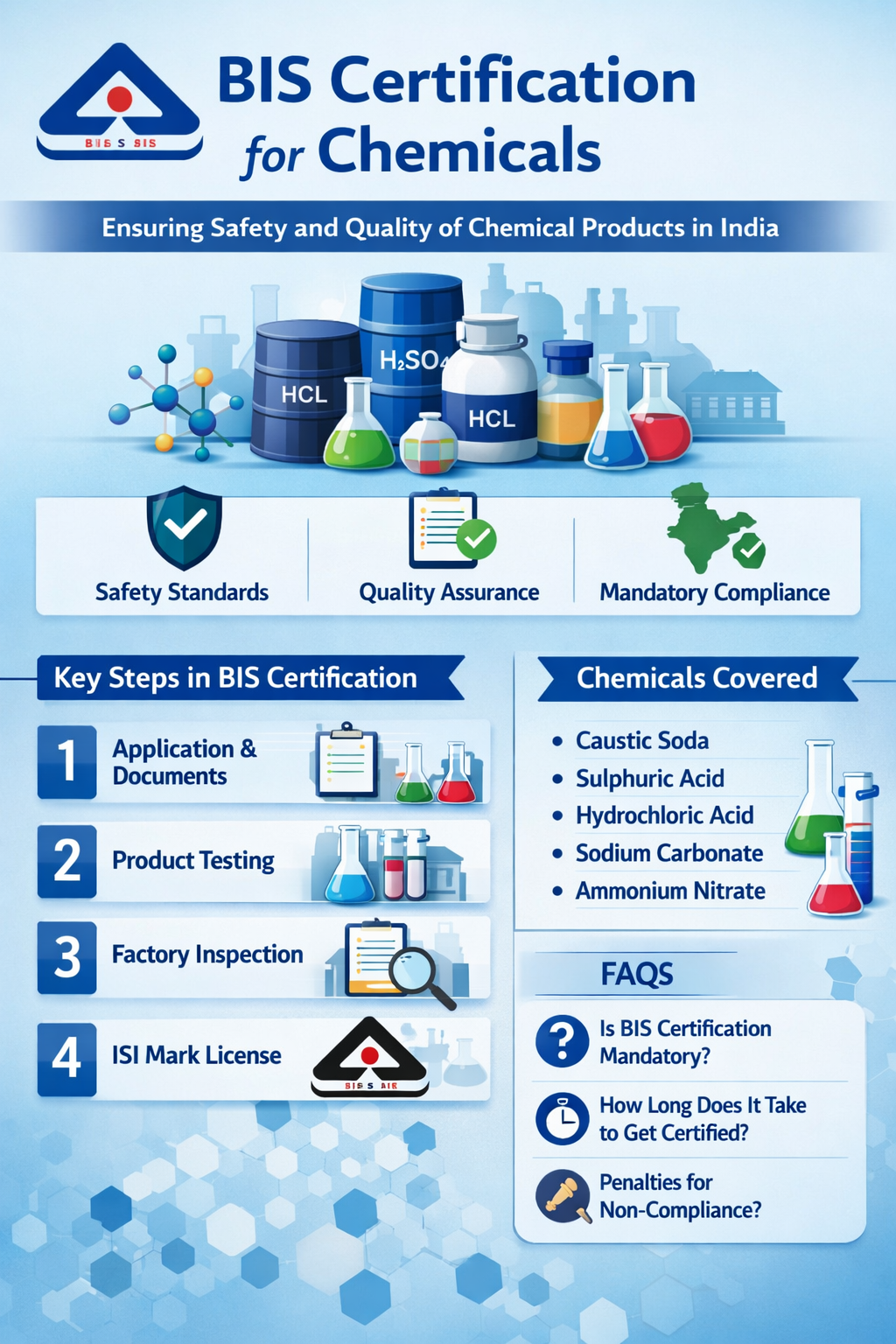
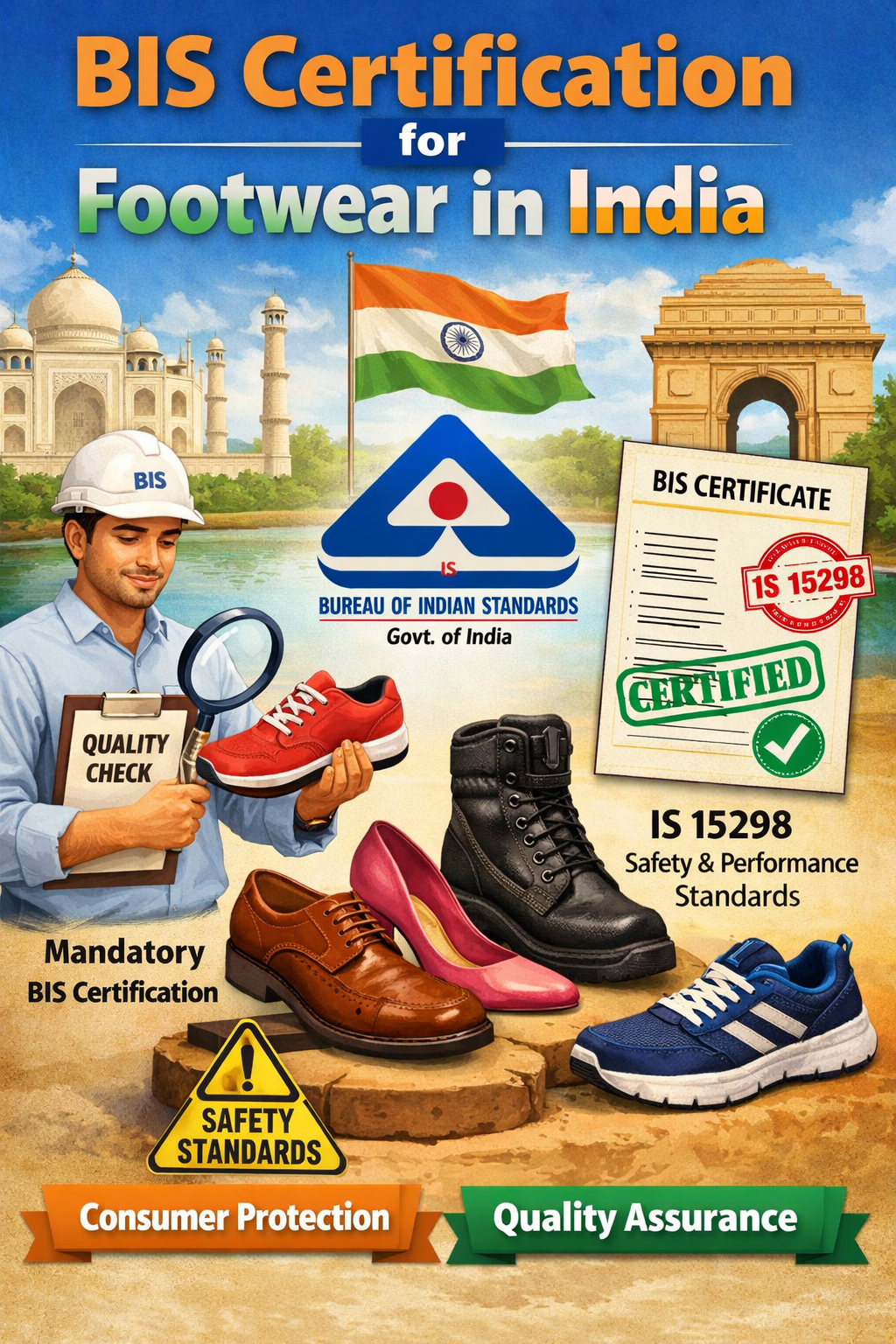
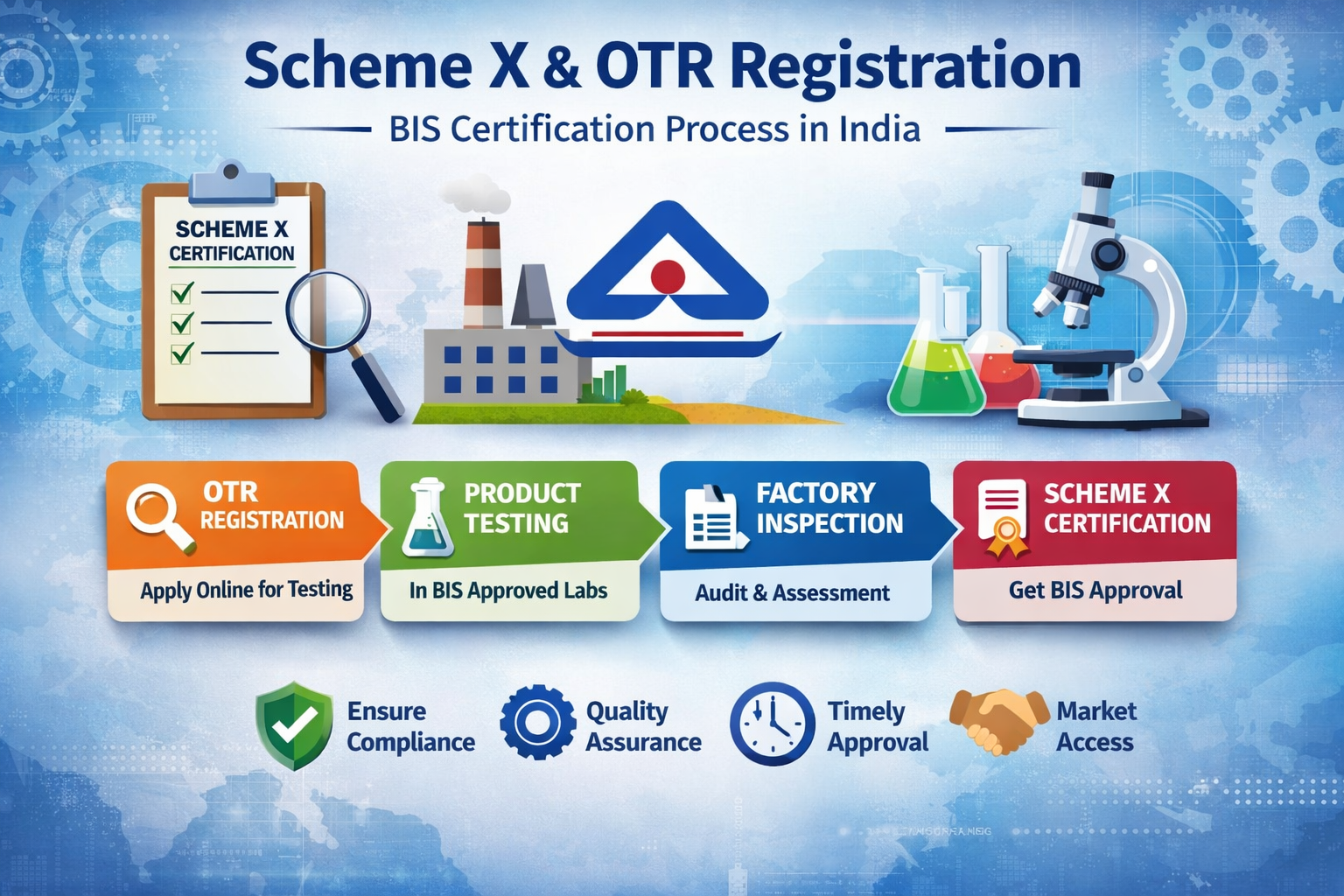
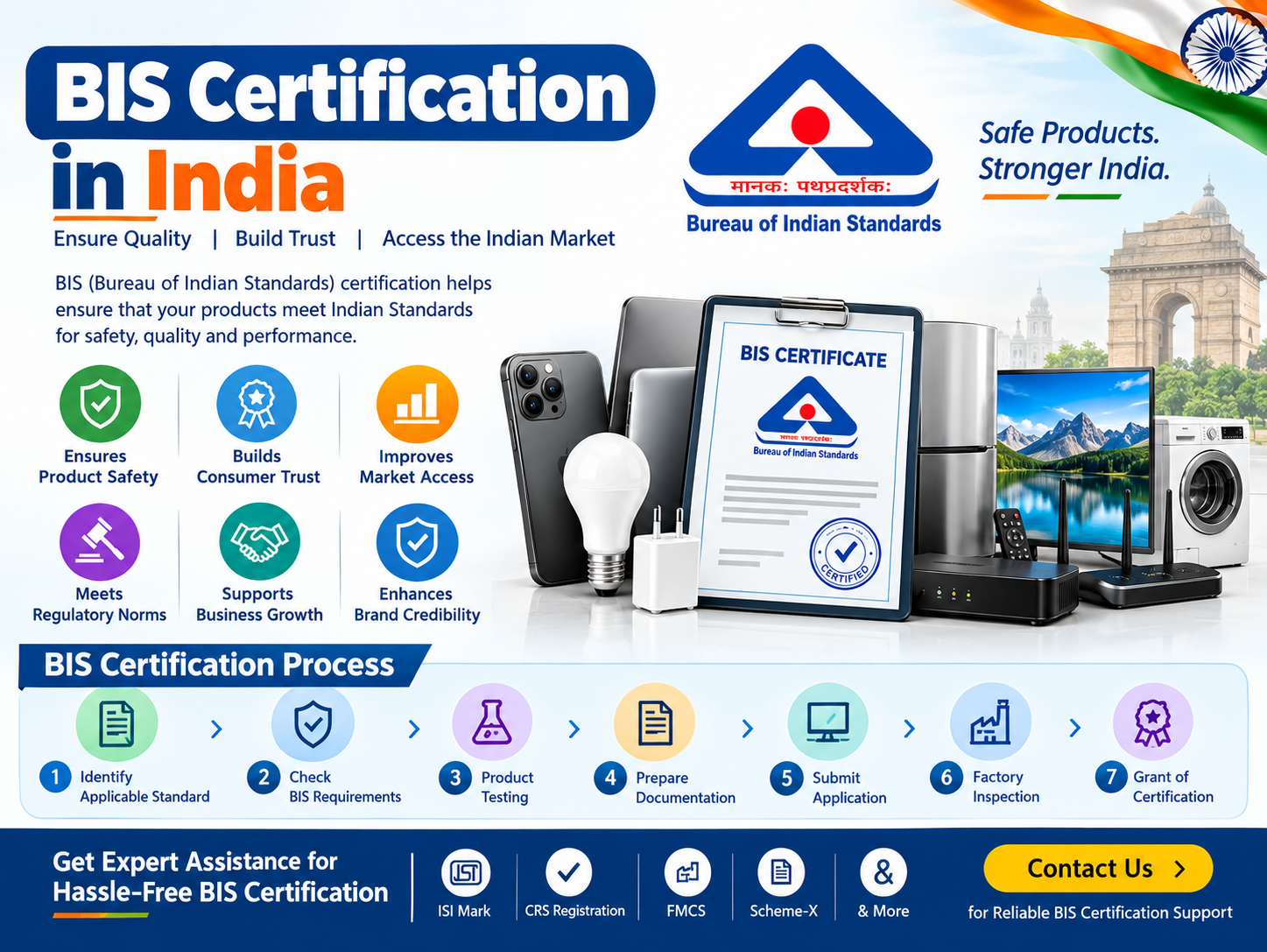
BIS Certification is an important regulatory requirement for manufacturers dealing with products covered under Indian Standards and applicable government Quality Control Orders (QCOs). The Bureau of Indian Standards (BIS) is the national standards body of India responsible for developing standards, assessing product quality, and providing conformity assessment services. BIS Certification helps ensure that products available in the Indian market meet specified requirements for quality, safety, reliability, and performance. Manufacturers, importers, and businesses dealing with regulated products may need to obtain the applicable BIS approval before manufacturing, importing, selling, or distributing products in India. Depending on the product and applicable Indian Standard, the certification route can vary. BIS Certification is a conformity assessment process through which a product is evaluated against the requirements of a relevant Indian Standard. After successfully completing the applicable procedure, a manufacturer may be permitted to use the relevant BIS Standard Mark, subject to the conditions of the licence or registration. BIS certification requirements are product-specific. Some products may require mandatory certification under a QCO, while others may be covered under voluntary certification schemes. Therefore, businesses should first identify the applicable Indian Standard, product category, and certification scheme before starting the application process. BIS Certification plays an important role in maintaining product quality and consumer safety in India. It provides a structured mechanism for checking whether a product conforms to specified technical requirements. Key benefits include: Helps demonstrate conformity with applicable Indian Standards. Supports product quality and safety. Builds confidence among customers and business partners. Helps manufacturers comply with applicable regulatory requirements. Can be necessary for selling products covered by mandatory QCOs. Supports market access for regulated products. Helps businesses establish standardized manufacturing and testing processes. Improves credibility in domestic and, in some cases, international business. For products under mandatory certification requirements, operating without the required BIS approval can create significant regulatory and commercial challenges. BIS provides different conformity assessment routes depending on the product, manufacturer, applicable standard, and regulatory framework. The BIS ISI Mark is widely associated with products manufactured according to specified Indian Standards. Under the applicable certification scheme, the manufacturing facility, production process, testing arrangements, and product samples may be evaluated. The ISI Mark is commonly relevant to various industrial and consumer products, particularly where a Quality Control Order makes certification mandatory. The BIS CRS applies to specified electronic and IT products. Manufacturers of products covered under the applicable CRS requirements generally need to obtain BIS registration based on testing from recognized laboratories and submission of the required information. Products covered under the CRS framework may include categories of electronic equipment, IT products, power supplies, lighting products, and other notified products. The Foreign Manufacturers Certification Scheme enables eligible overseas manufacturers to obtain BIS certification for products manufactured outside India where the applicable Indian Standard and regulatory requirements require certification. The process involves assessment of the manufacturing facility and evaluation of the product against the relevant Indian Standard. Scheme X is a conformity assessment route applicable to specified products under the relevant regulatory framework. It can involve product testing, factory assessment, quality-control requirements, and other conformity assessment activities. Manufacturers should determine whether their product falls under Scheme X or another applicable BIS route based on the latest regulatory requirements. Although the exact process varies by product, a typical BIS Certification process may involve the following steps: The first step is to identify the correct Indian Standard applicable to the product. This requires checking the product specifications, intended use, construction, technical characteristics, and applicable regulatory notifications. After identifying the standard, the manufacturer must determine whether the product falls under ISI Mark Certification, CRS, FMCS, Scheme X, or another applicable conformity assessment route. Product samples may need to be tested at a BIS-recognized or otherwise applicable laboratory according to the relevant Indian Standard. Testing requirements depend on the product and certification scheme. The applicant may need to provide documents such as: Company or manufacturer details Manufacturing address Product technical specifications Test reports Quality-control information Manufacturing process details Equipment and machinery details Calibration records Raw-material information Technical drawings and product literature Authorized signatory information Applicable declarations and undertakings The exact documentation varies according to the product and BIS scheme. The application is submitted through the applicable BIS process along with the required documents, test reports, fees, and other information. For certain certification schemes, BIS officials may assess the manufacturing premises. The assessment can cover manufacturing facilities, testing arrangements, quality-control systems, production processes, and other relevant requirements. If BIS raises observations or requires additional information, the applicant may need to submit clarifications, additional documents, samples, or corrective actions. After successful completion of the applicable requirements, BIS may grant the relevant licence or registration. The manufacturer must then maintain continued compliance with the applicable standard and certification conditions. The documents required depend on the product and scheme. Commonly required information may include company registration details, manufacturing information, product specifications, test reports, factory layout, machinery details, testing equipment details, calibration certificates, quality-control documentation, raw-material details, and authorization documents. Manufacturers should prepare accurate and consistent technical information because discrepancies between documents, product samples, test reports, and manufacturing details can delay the certification process. Obtaining the appropriate BIS approval can provide several business advantages: Regulatory Compliance: Helps businesses meet applicable mandatory certification requirements. Consumer Confidence: A recognized conformity assessment provides greater confidence in product quality and safety. Market Access: Certification may be essential for legally supplying products covered by mandatory requirements. Brand Credibility: Demonstrating compliance with Indian Standards can strengthen the credibility of a manufacturer. Quality Control: The certification process encourages manufacturers to maintain consistent production and testing practices. A BIS Certification Consultant can assist manufacturers in understanding applicable Indian Standards, identifying the correct BIS scheme, coordinating product testing, preparing documentation, submitting applications, and responding to regulatory observations. Consultancy support can be particularly useful for manufacturers unfamiliar with Indian regulatory procedures or overseas companies planning to introduce regulated products into the Indian market. However, certification requirements are product-specific, and businesses should verify the latest applicable standard, QCO, scheme requirements, and BIS instructions before proceeding. BIS Certification is an important part of India's product quality and regulatory framework. Depending on the product, manufacturers may require ISI Mark Certification, CRS Registration, FMCS Certification, Scheme X Certification, or another applicable BIS conformity assessment route. A successful certification process requires proper identification of the applicable Indian Standard, appropriate product testing, accurate documentation, manufacturing compliance, and timely response to regulatory requirements. Businesses should therefore evaluate their product and applicable QCO requirements carefully before manufacturing, importing, selling, or distributing regulated products in India. BIS Certification is a conformity assessment mechanism used to demonstrate that a product complies with applicable Indian Standards and certification requirements. No. BIS certification is mandatory for products covered under applicable compulsory certification requirements or Quality Control Orders. Other products may fall under voluntary certification arrangements. The timeline varies depending on the product, testing requirements, documentation, factory assessment, and applicable BIS scheme. Complex products may require additional time for testing and compliance. Yes. Eligible foreign manufacturers can apply under applicable BIS mechanisms, including the Foreign Manufacturers Certification Scheme, where relevant requirements apply. An Indian Standard is a technical standard developed or adopted by BIS specifying requirements for a particular product, process, service, or system. A BIS consultant can help identify the applicable standard and scheme, coordinate testing, prepare documentation, manage application requirements, and assist with compliance-related queries. This depends on the applicable product standard, licence scope, variants, models, and BIS certification requirements. The scope must be determined according to the relevant scheme and standard.What is BIS Certification?
Why is BIS Certification Important?
Types of BIS Certification
1. BIS ISI Mark Certification
2. BIS Compulsory Registration Scheme (CRS)
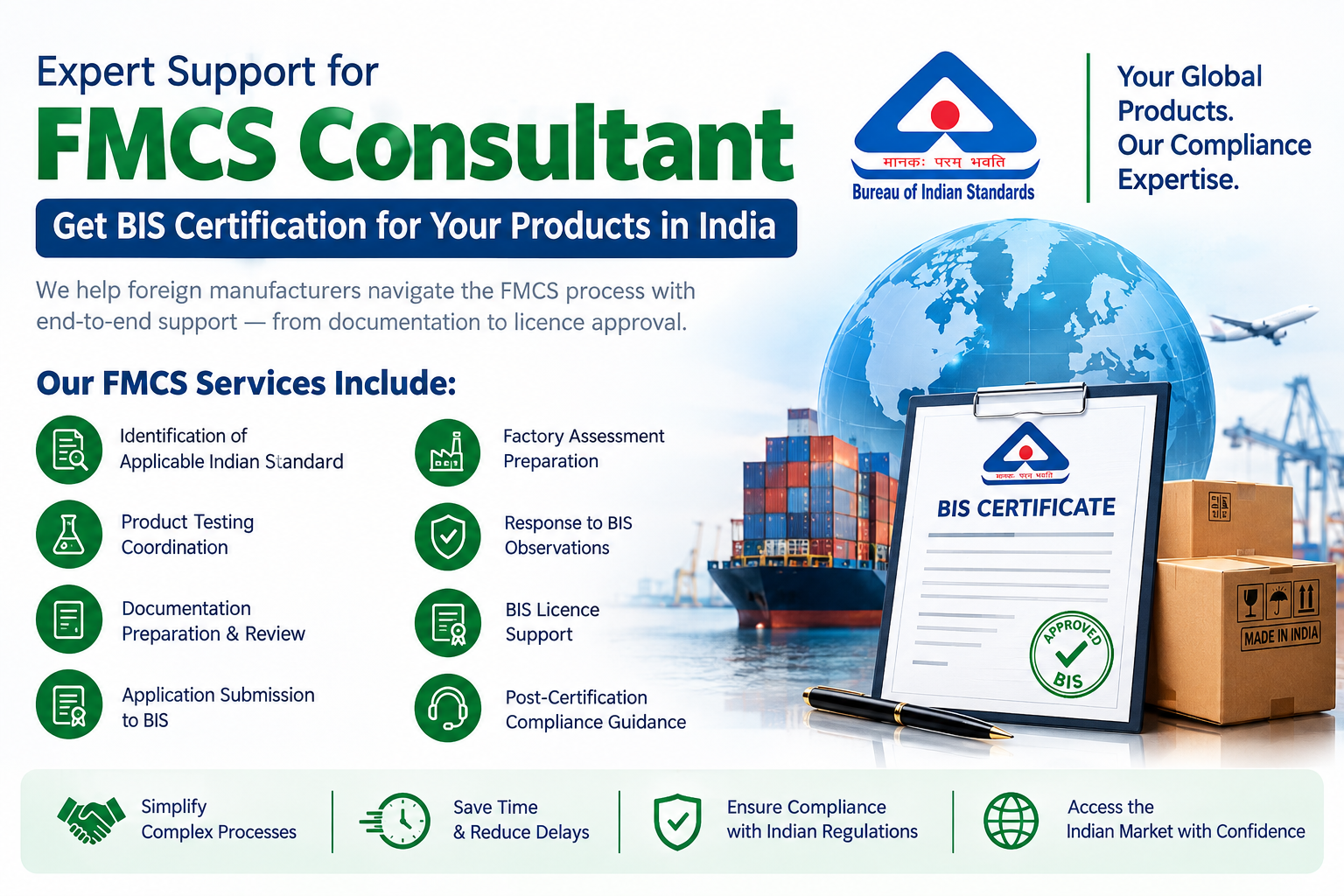
3. BIS Foreign Manufacturers Certification Scheme (FMCS)
4. BIS Scheme X Certification
BIS Certification Process
Step 1: Identify the Applicable Indian Standard
Step 2: Determine the Applicable BIS Scheme
Step 3: Product Testing
Step 4: Prepare Documentation
Step 5: Application Submission
Step 6: Factory Inspection, Where Applicable
Step 7: Compliance and Clarifications
Step 8: Grant of Certification or Registration
Documents Required for BIS Certification
Benefits of BIS Certification
BIS Certification Consultant
Conclusion
Frequently Asked Questions
1. What is BIS Certification?
2. Is BIS Certification mandatory for all products?
3. How long does BIS Certification take?
4. Can foreign manufacturers obtain BIS Certification?
5. What is an Indian Standard?
6. Why should I hire a BIS consultant?
7. Can one BIS licence cover multiple products?