ISI Mark Consultants
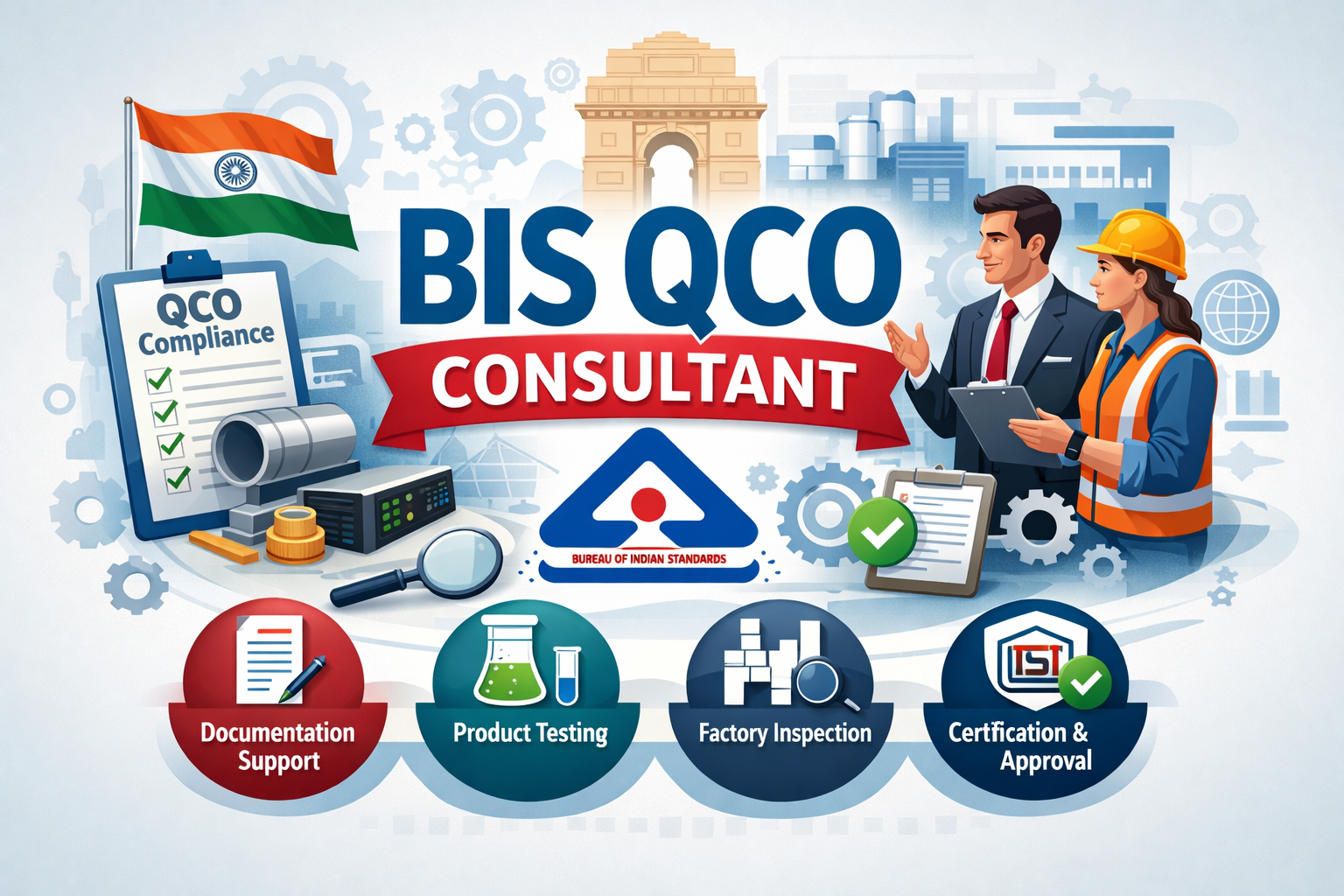
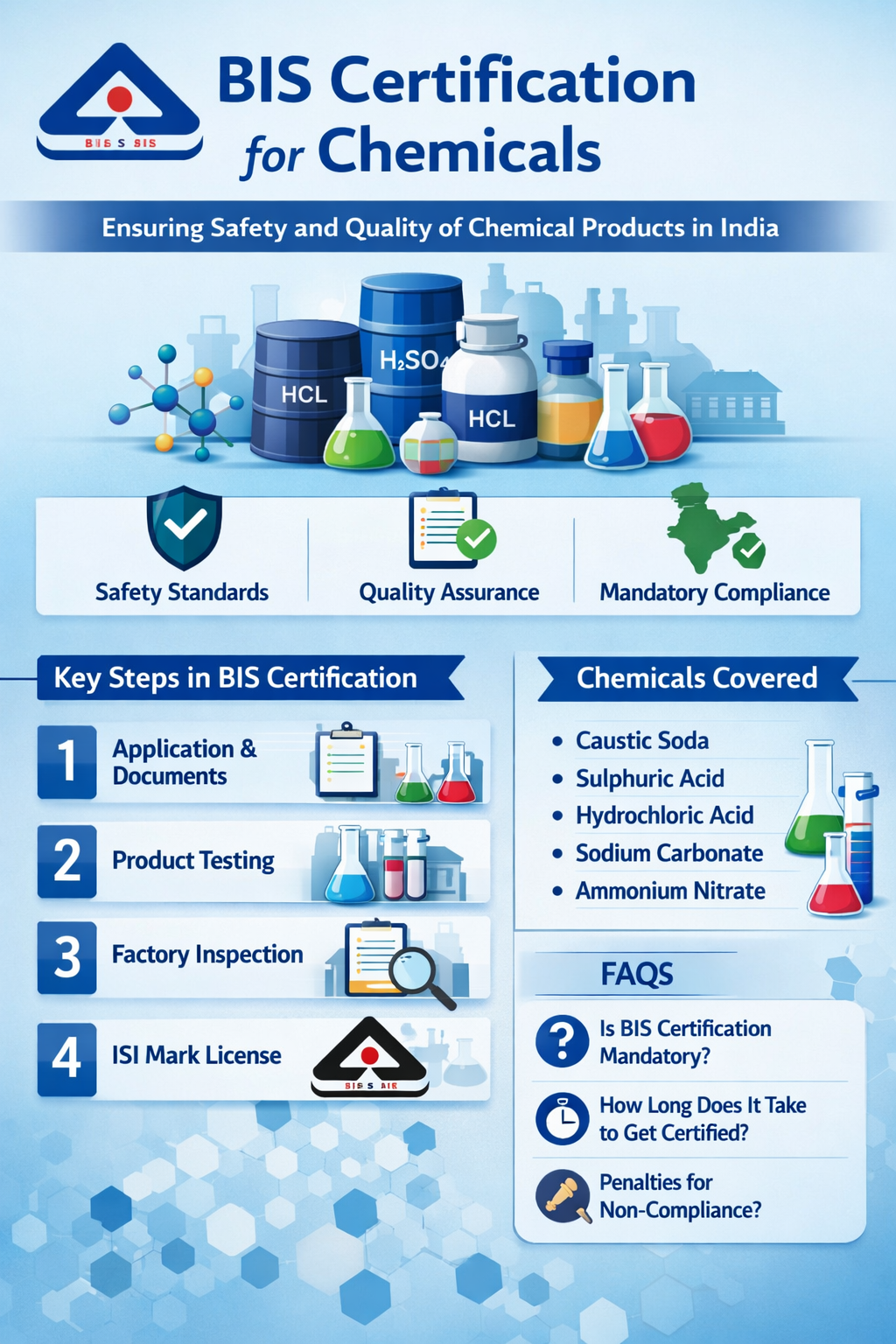
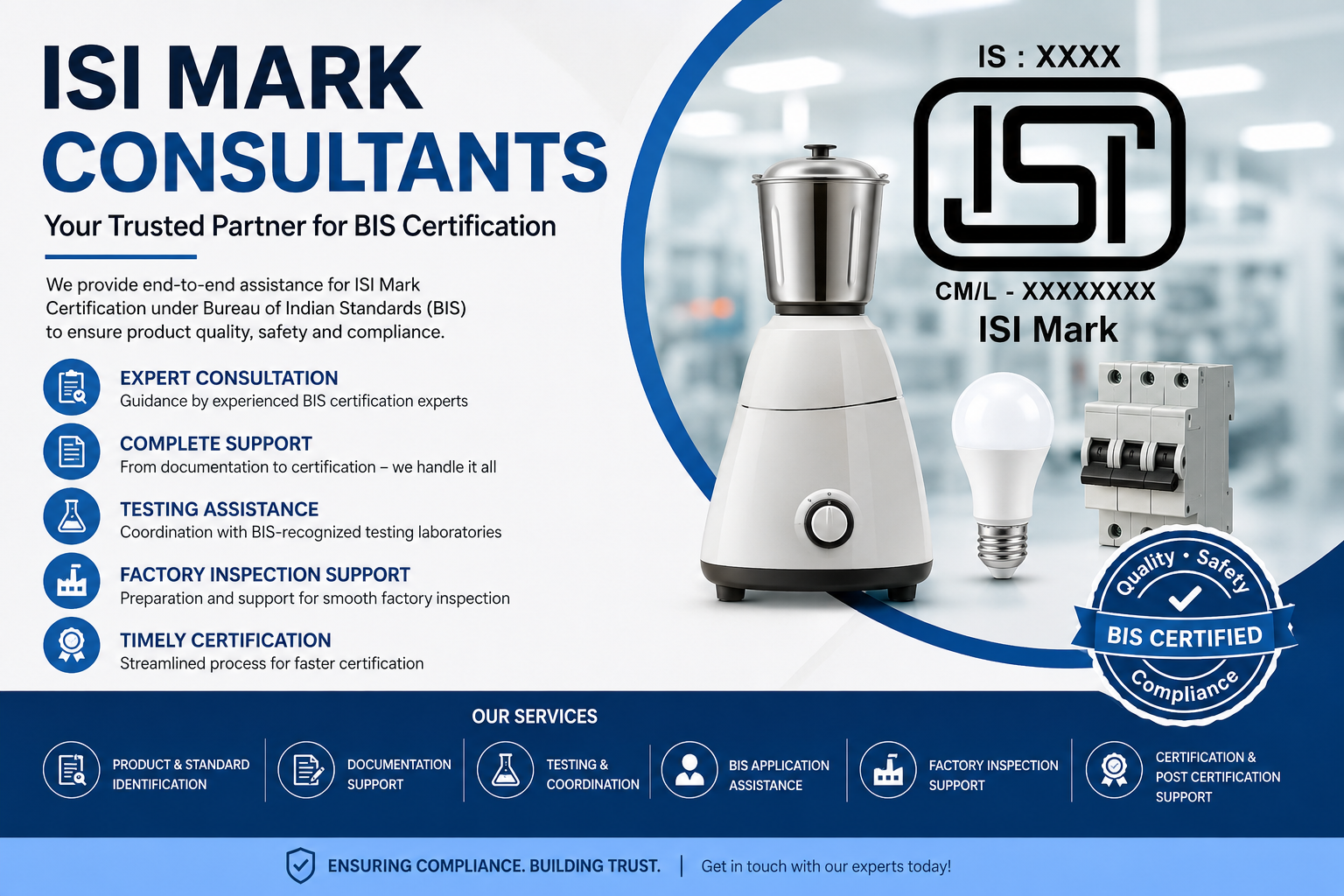
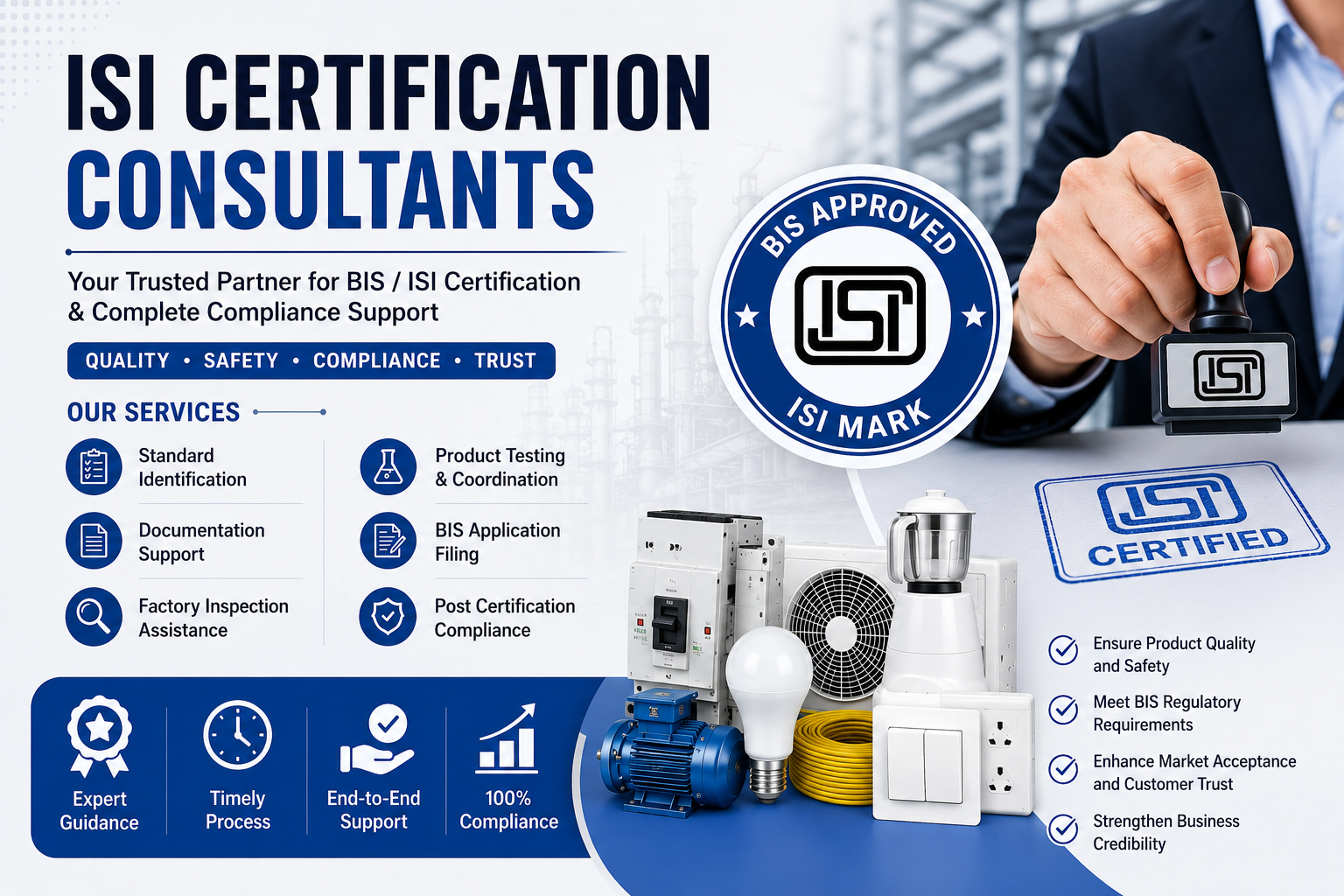
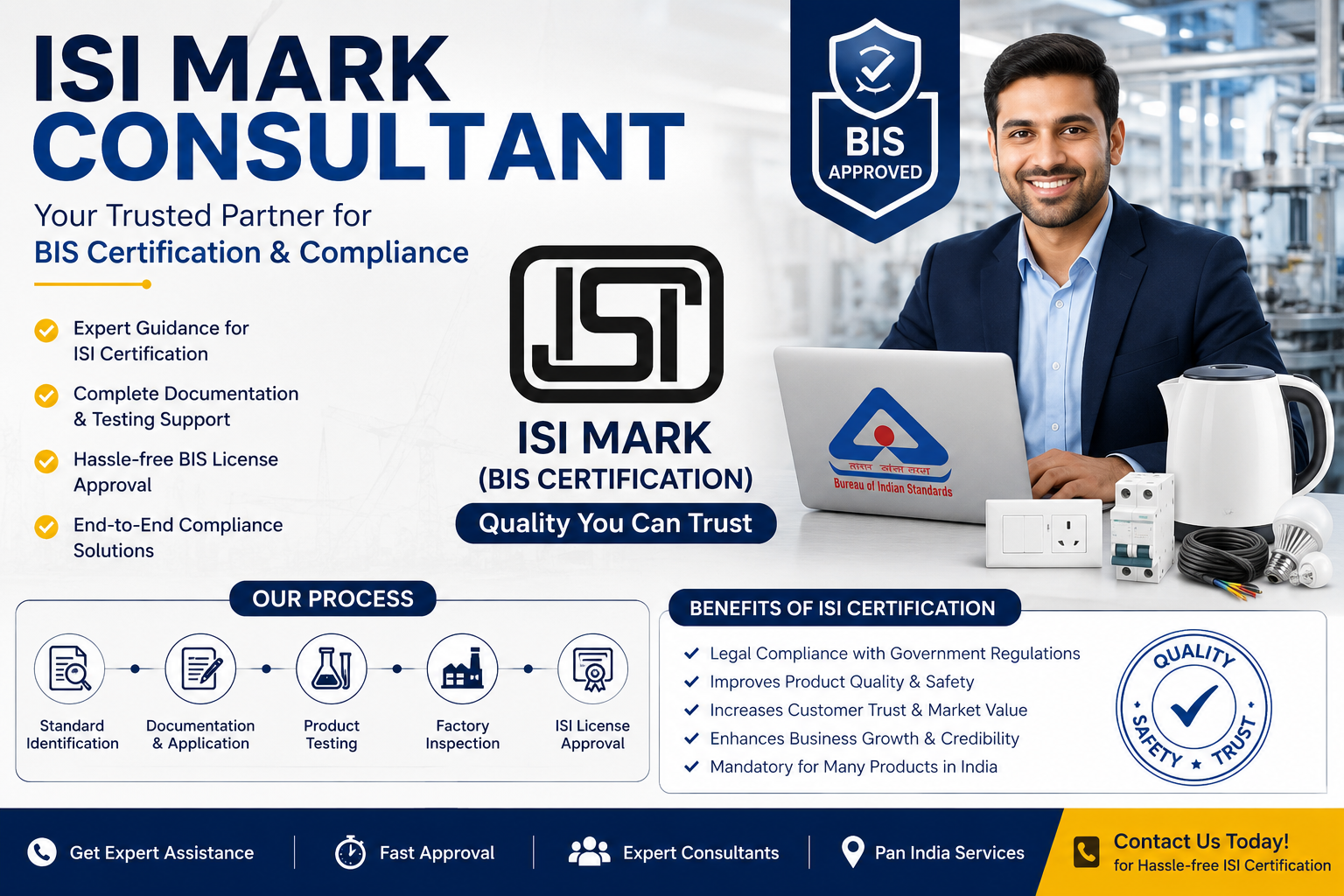
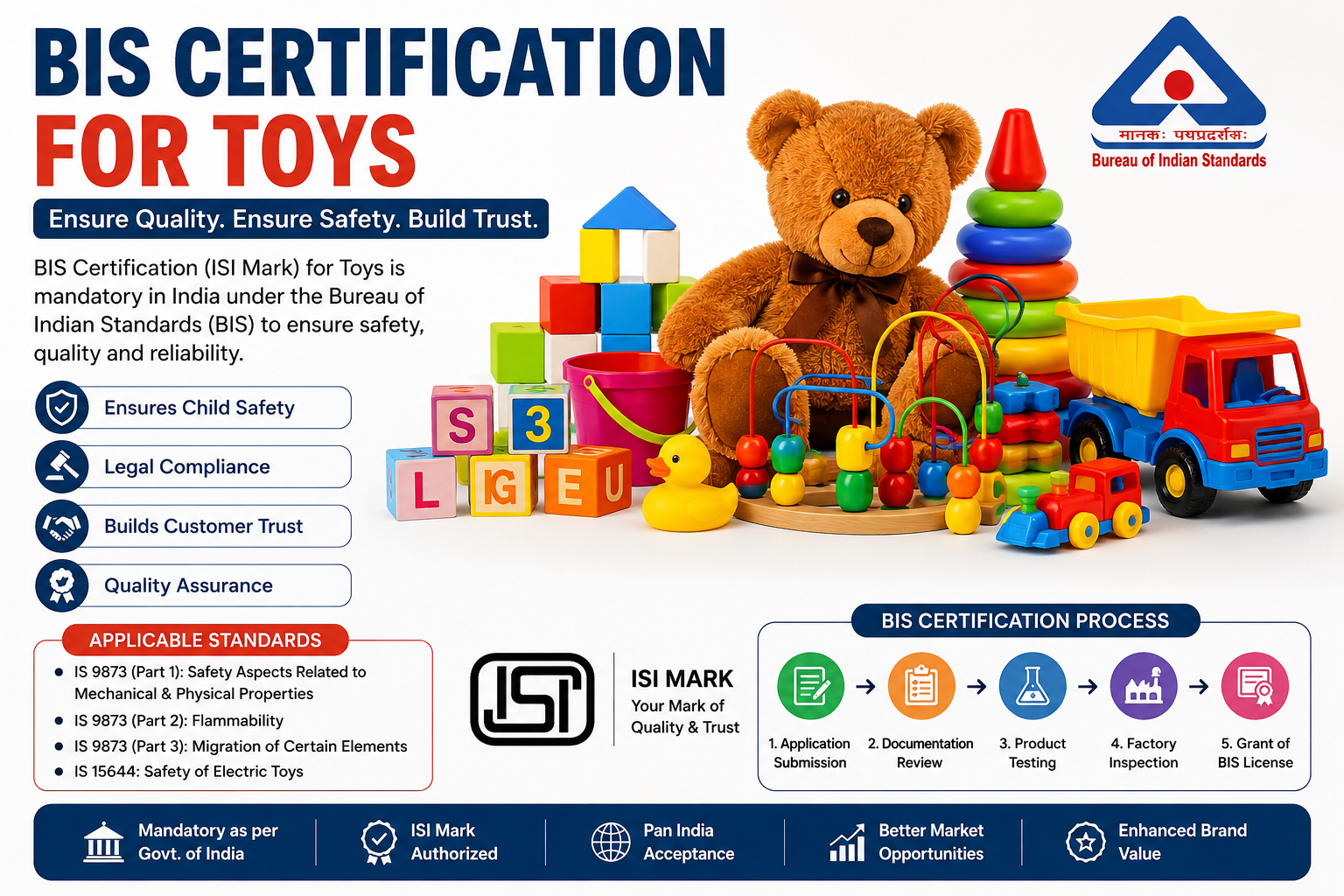
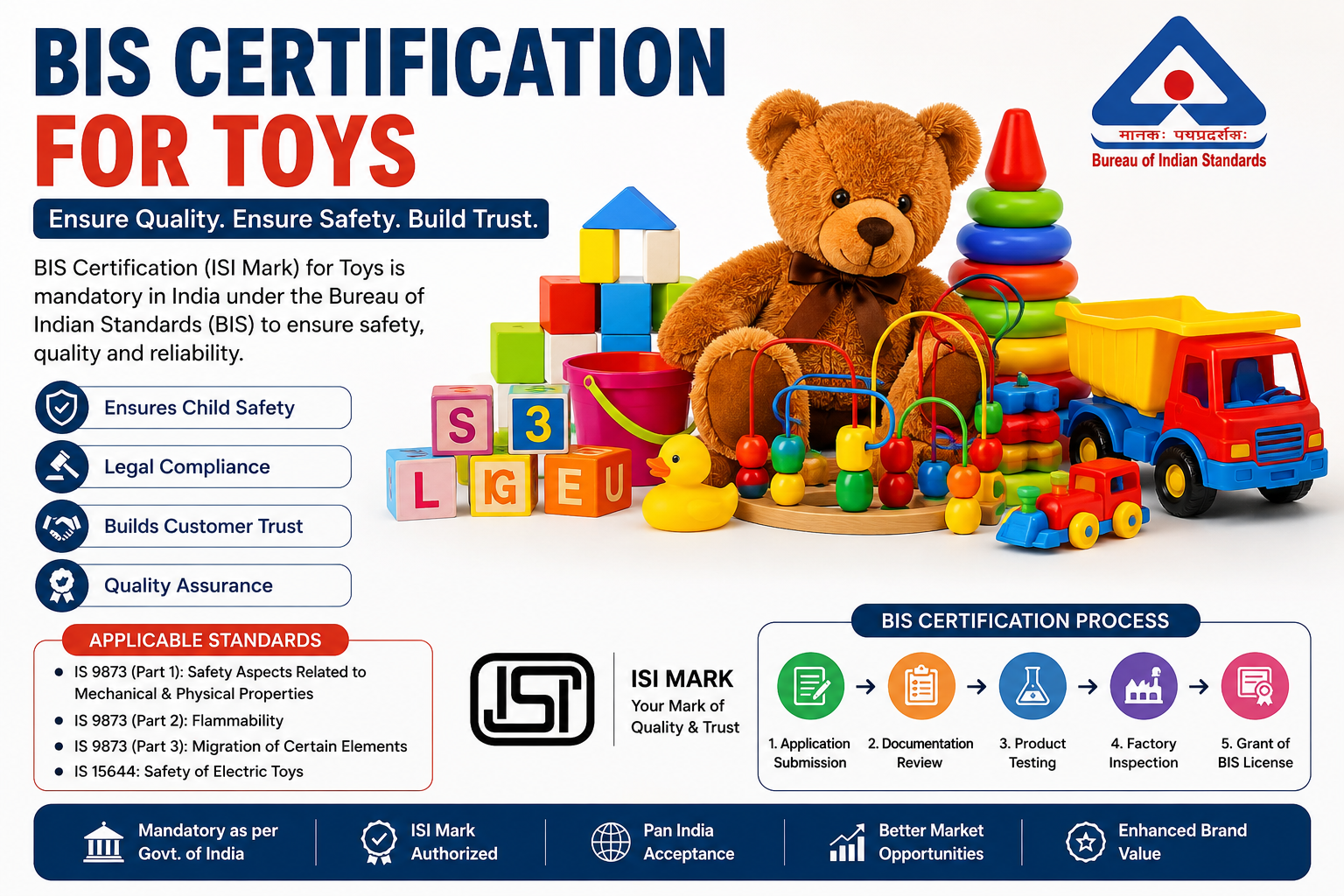
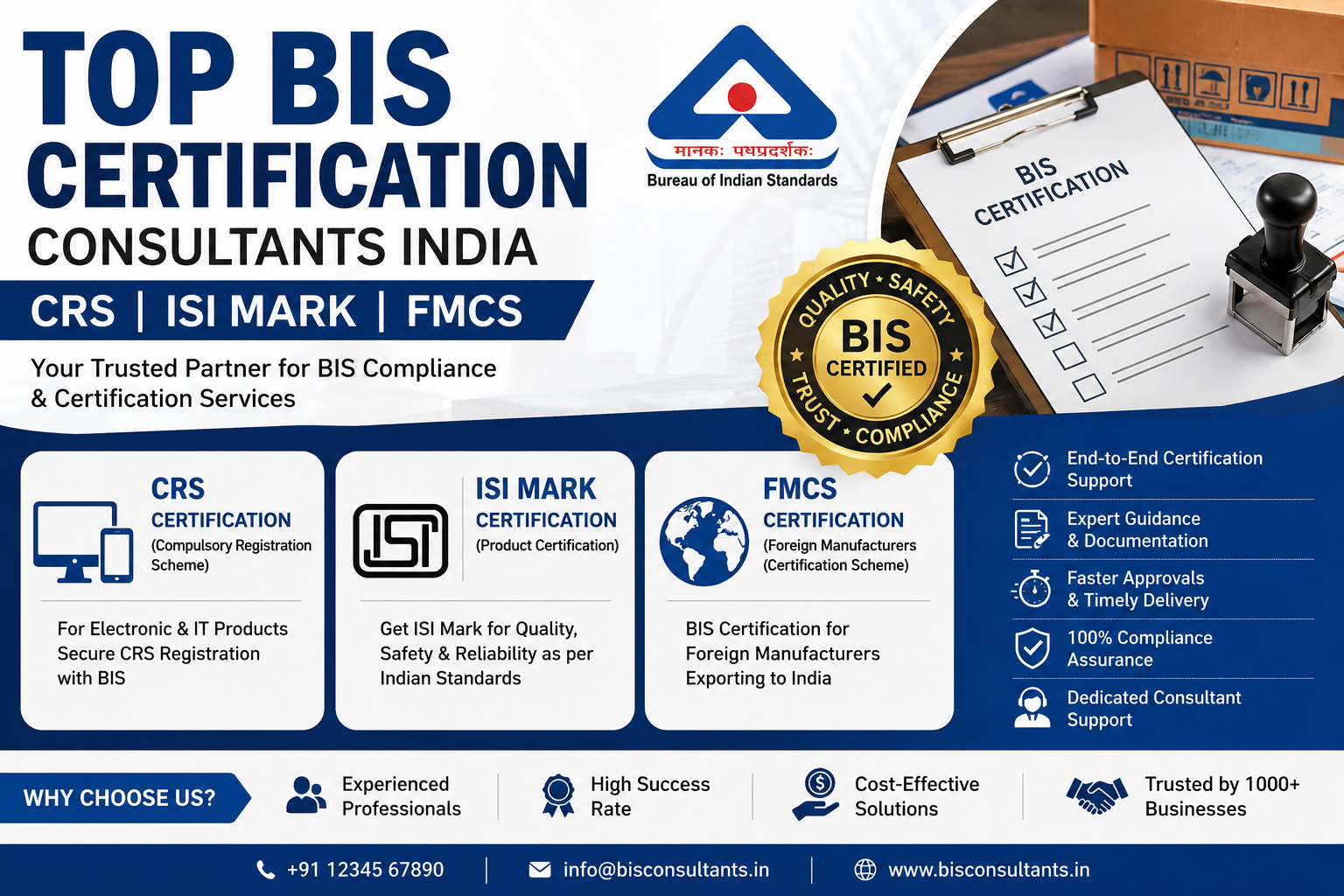
ISI Mark certification is an important quality and safety compliance requirement for manufacturers of products covered under applicable Indian Standards and Quality Control Orders. The ISI Mark, issued under the authority of the Bureau of Indian Standards (BIS), indicates that a certified product conforms to the relevant Indian Standard. For manufacturers, obtaining the right certification can strengthen product credibility, support regulatory compliance, and help build customer confidence in the Indian market. ISI Mark Consultants assist manufacturers throughout the certification process, from identifying the applicable Indian Standard to documentation, testing, application submission, factory inspection, and obtaining the BIS licence. Professional consultancy can make the process more structured and help businesses avoid common documentation and compliance mistakes. The ISI Mark is a conformity mark used on products that comply with specified Indian Standards and are covered under the applicable BIS certification requirements. It demonstrates that the product has undergone the required conformity assessment process and meets the prescribed quality, safety, performance, or technical requirements. Depending on the product category, manufacturers may need to obtain a BIS licence before legally using the ISI Mark on their products. The applicable requirements vary according to the Indian Standard, product category, manufacturing facility, testing requirements, and relevant government notifications or Quality Control Orders. ISI Mark certification can be important for manufacturers because it provides formal evidence that their products comply with applicable standards. For products covered by mandatory certification requirements, obtaining the required BIS licence is also a regulatory obligation. Some key benefits include: Helps demonstrate compliance with applicable Indian Standards. Builds confidence among customers, distributors, and business partners. Supports access to regulated Indian markets. Helps manufacturers maintain consistent product quality. Strengthens brand reputation and market credibility. Reduces the risk of non-compliance with applicable mandatory requirements. Can support participation in certain tenders and institutional procurement opportunities where BIS certification is specified. The ISI certification process can involve several technical and procedural steps. An experienced ISI Mark Consultant helps manufacturers understand these requirements and coordinate the certification process. Consultants may assist with: Product and Standard Identification Documentation Support Product Testing Coordination BIS Application Assistance Factory Inspection Preparation Compliance and Corrective Action Support Licence and Post-Certification Support The exact procedure depends on the product and applicable BIS scheme, but the general process may include the following steps: The manufacturer first needs to determine which Indian Standard applies to the product. Selecting the correct standard is essential because testing and certification requirements are based on it. The manufacturing unit should have suitable production infrastructure, machinery, testing facilities, trained personnel, and quality-control arrangements as required by the applicable standard and BIS requirements. Samples may need to undergo testing against the relevant technical requirements. Test results should satisfy the specified parameters before proceeding further. All required technical and business documents should be compiled accurately. Incomplete or inconsistent documentation can result in queries or delays. The manufacturer submits the required application and supporting documents through the applicable BIS certification procedure. Where applicable, BIS officials inspect the manufacturing premises and evaluate production capabilities, quality-control systems, testing arrangements, and product conformity. Samples may be drawn or evaluated as prescribed under the relevant certification requirements. The manufacturer must demonstrate conformity with the applicable Indian Standard. After successful completion of the required assessment and compliance formalities, BIS may grant the licence to use the ISI Mark for the approved product and manufacturing location, subject to the applicable conditions. The requirement for ISI Mark certification depends on the product and applicable regulations. Manufacturers producing products covered by mandatory BIS certification requirements may need to obtain a BIS licence before manufacturing, importing, selling, or distributing such products in India, as applicable. The requirement can apply to products across different industries, including electrical goods, construction materials, household products, industrial equipment, steel products, cement, automotive components, and other regulated categories. Manufacturers should therefore verify the latest applicable Quality Control Order, Indian Standard, BIS scheme, and product-specific requirements before starting the certification process. The documentation varies by product, but commonly required information may include: Company or manufacturing-unit details Address and contact information Product specifications Applicable Indian Standard details Manufacturing process information List of machinery and production equipment Testing equipment details Calibration records, where applicable Quality-control personnel details Raw-material information Product test reports Factory layout Process flow chart Trademark or brand-related documents, where applicable Relevant legal and business documents The exact document list should be confirmed according to the applicable BIS certification requirements. Manufacturers should select a consultant with practical knowledge of BIS procedures, Indian Standards, product testing, documentation, and factory inspection requirements. A good consultant should provide clear guidance instead of promising guaranteed certification. Before engaging a consultant, businesses should consider: Experience with the relevant product category Understanding of applicable Indian Standards Knowledge of BIS application procedures Ability to coordinate testing and inspection Transparent professional fees Proper documentation support Post-certification assistance Clear communication regarding timelines and compliance requirements Professional consultancy can save manufacturers considerable time by organizing the certification process and identifying potential compliance gaps before the application or inspection stage. Consultants can also coordinate communication between manufacturers, laboratories, and certification authorities. However, certification is ultimately subject to the applicable BIS requirements and assessment by the competent authority. No consultant can legitimately guarantee approval without fulfilling the prescribed requirements. Obtaining an ISI Mark can be an important step for manufacturers whose products fall under applicable BIS certification requirements. It demonstrates conformity with relevant Indian Standards and can contribute to product credibility, customer confidence, and regulatory compliance. ISI Mark Consultants provide end-to-end assistance covering standard identification, documentation, product testing, application submission, factory inspection preparation, compliance support, and post-certification guidance. By working with an experienced consultant, manufacturers can better understand their obligations and manage the certification process in a systematic manner. If your product requires ISI Mark certification, it is advisable to first identify the applicable Indian Standard and confirm the latest BIS requirements before beginning the application process. Proper preparation, accurate documentation, compliant manufacturing facilities, and successful product testing are key elements in obtaining and maintaining the required certification.What is an ISI Mark?
Why is ISI Mark Certification Important?
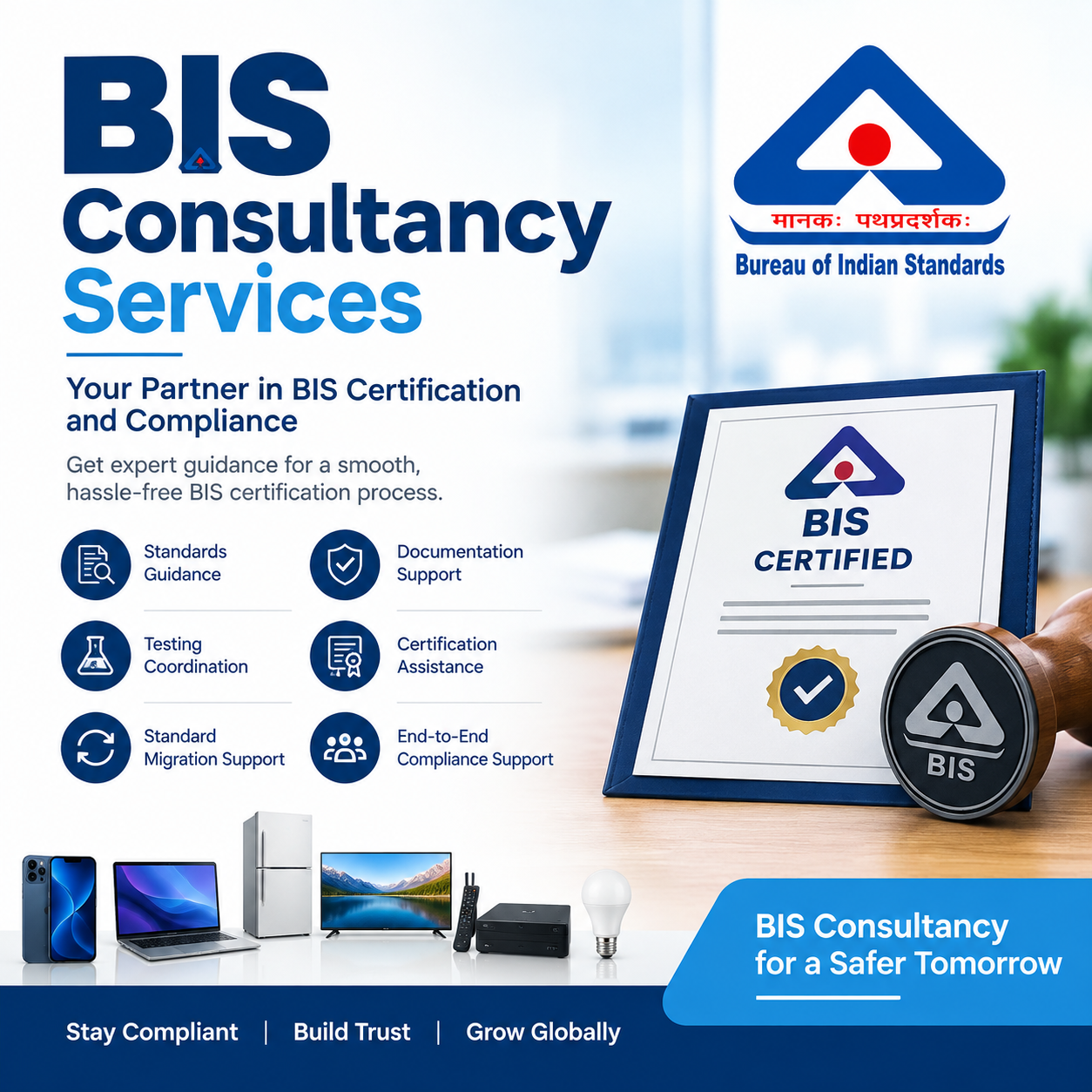
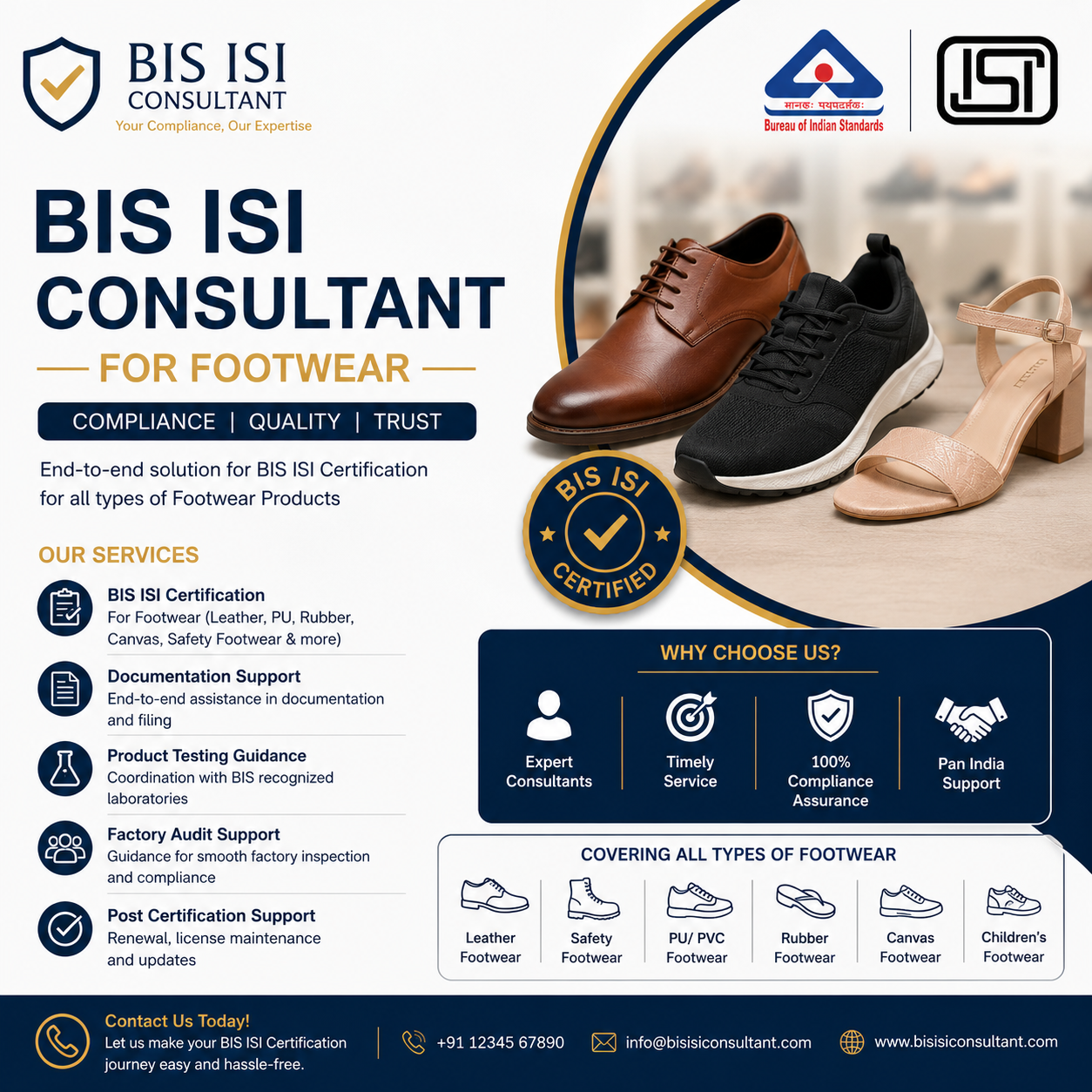
Role of ISI Mark Consultants
The first step is determining the applicable Indian Standard for the product. The consultant evaluates the product specifications and identifies the relevant standard and certification requirements.
Proper documentation is essential for the BIS application. Consultants can help prepare and review documents such as manufacturing details, technical specifications, test reports, machinery details, quality-control arrangements, raw-material information, and other documents required for the application.
Products may need to be tested according to the applicable Indian Standard at a BIS-recognized or otherwise appropriate laboratory, depending on the certification scheme and product requirements. Consultants can help manufacturers understand testing requirements and coordinate the necessary testing.
Consultants help prepare and submit the application through the applicable BIS process. They can also assist in responding to queries or deficiencies raised during application scrutiny.
For applicable certification procedures, BIS officials may inspect the manufacturing premises. Consultants can help manufacturers prepare their production facilities, testing equipment, quality-control procedures, records, and documentation for inspection.
If observations or deficiencies are identified during the certification process, consultants can help the manufacturer understand the requirements and implement appropriate corrective actions.
After successful completion of the applicable process, consultants can provide guidance regarding licence-related compliance, marking requirements, surveillance, renewal, amendments, and other ongoing obligations.ISI Mark Certification Process
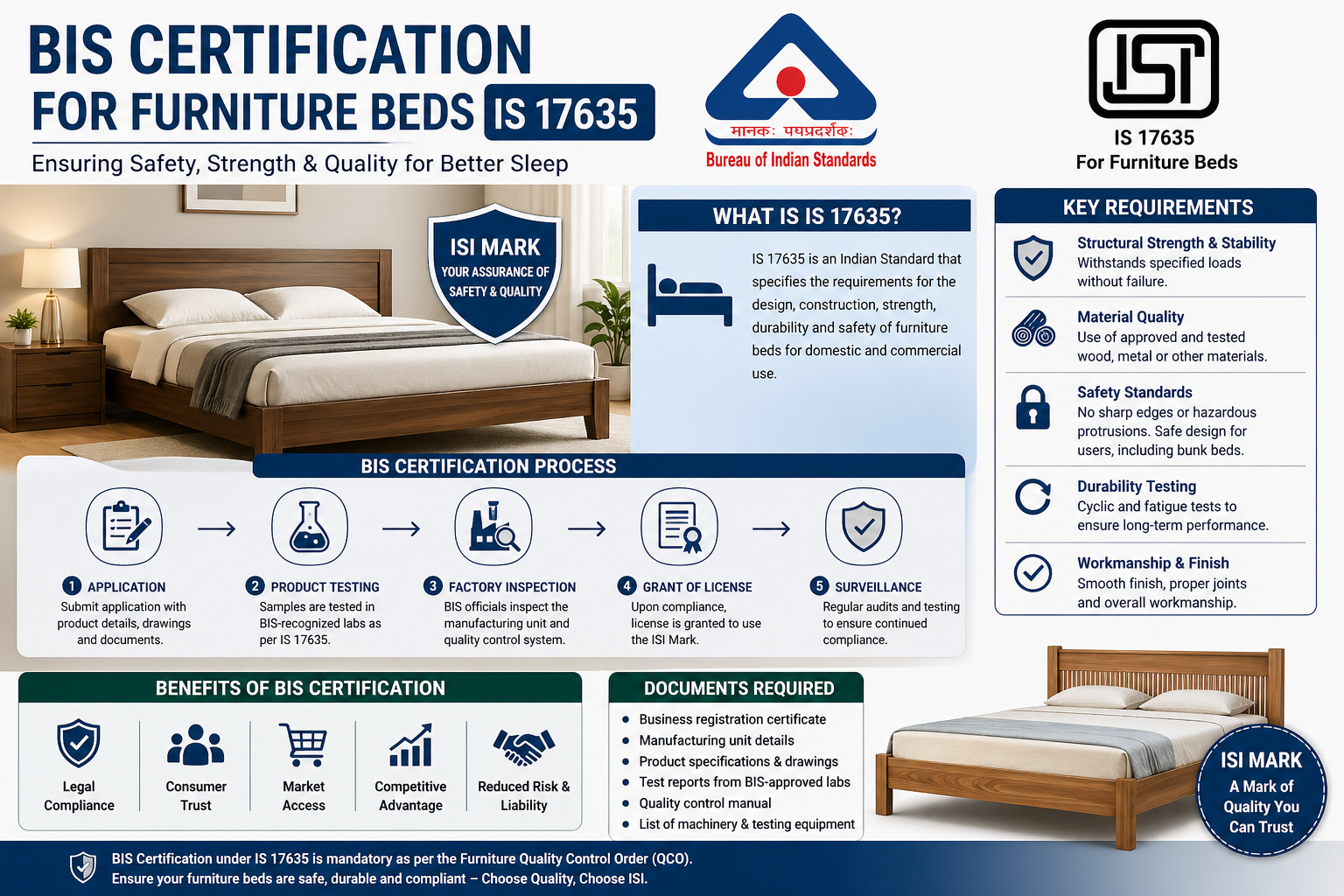
Step 1: Identify the Applicable Indian Standard
Step 2: Review Manufacturing Facilities
Step 3: Product Testing
Step 4: Prepare Documentation
Step 5: Submit the Application
Step 6: Factory Inspection
Step 7: Sample Evaluation and Compliance
Step 8: Grant of BIS Licence
Who Needs ISI Mark Certification?
Documents Required for ISI Certification
How to Choose the Right ISI Mark Consultant?
Why Choose Professional ISI Mark Consultants?
Conclusion



:-important-update-for-manufacturers.png)









.png)