EPR Battery Consultant
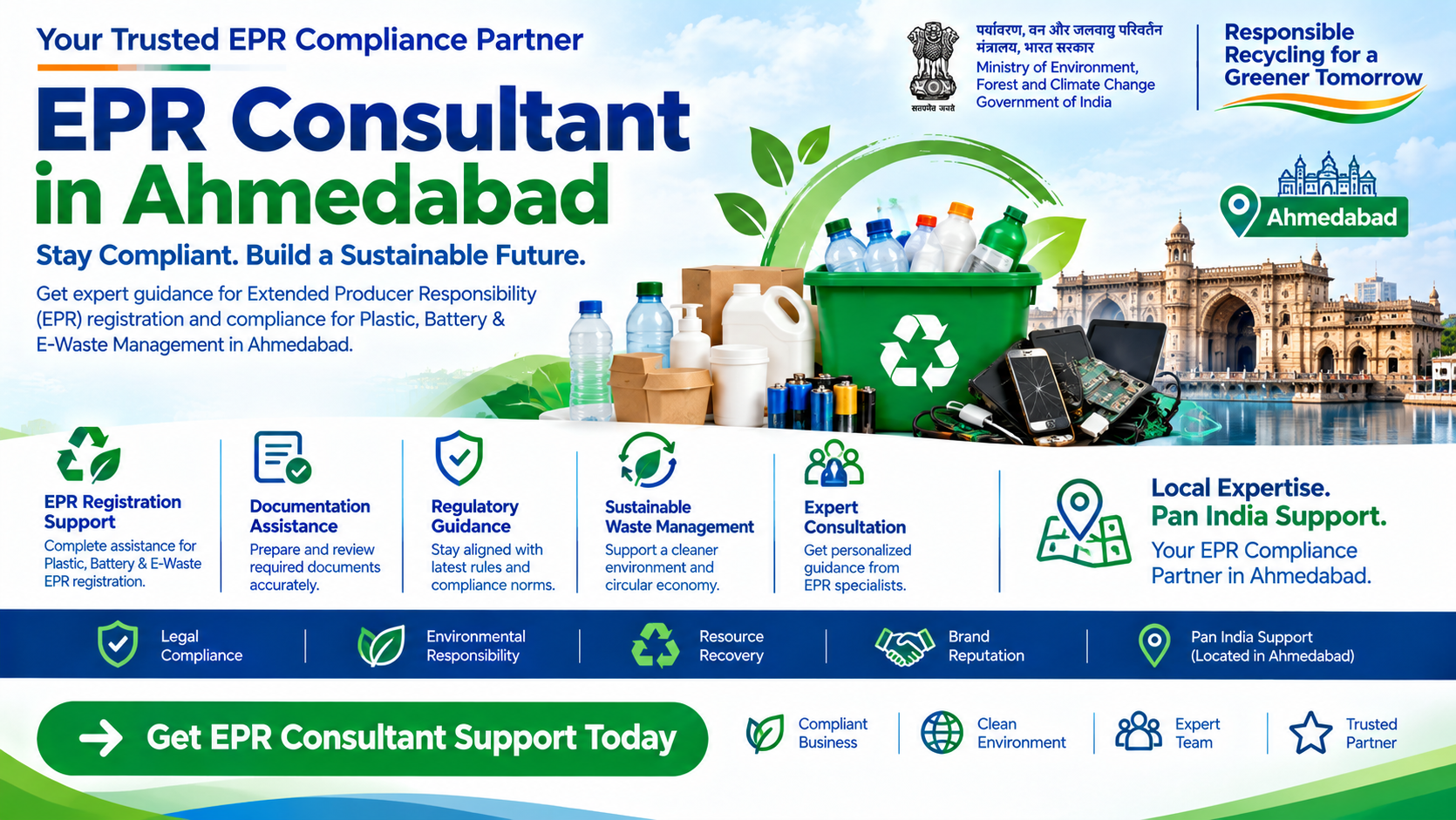
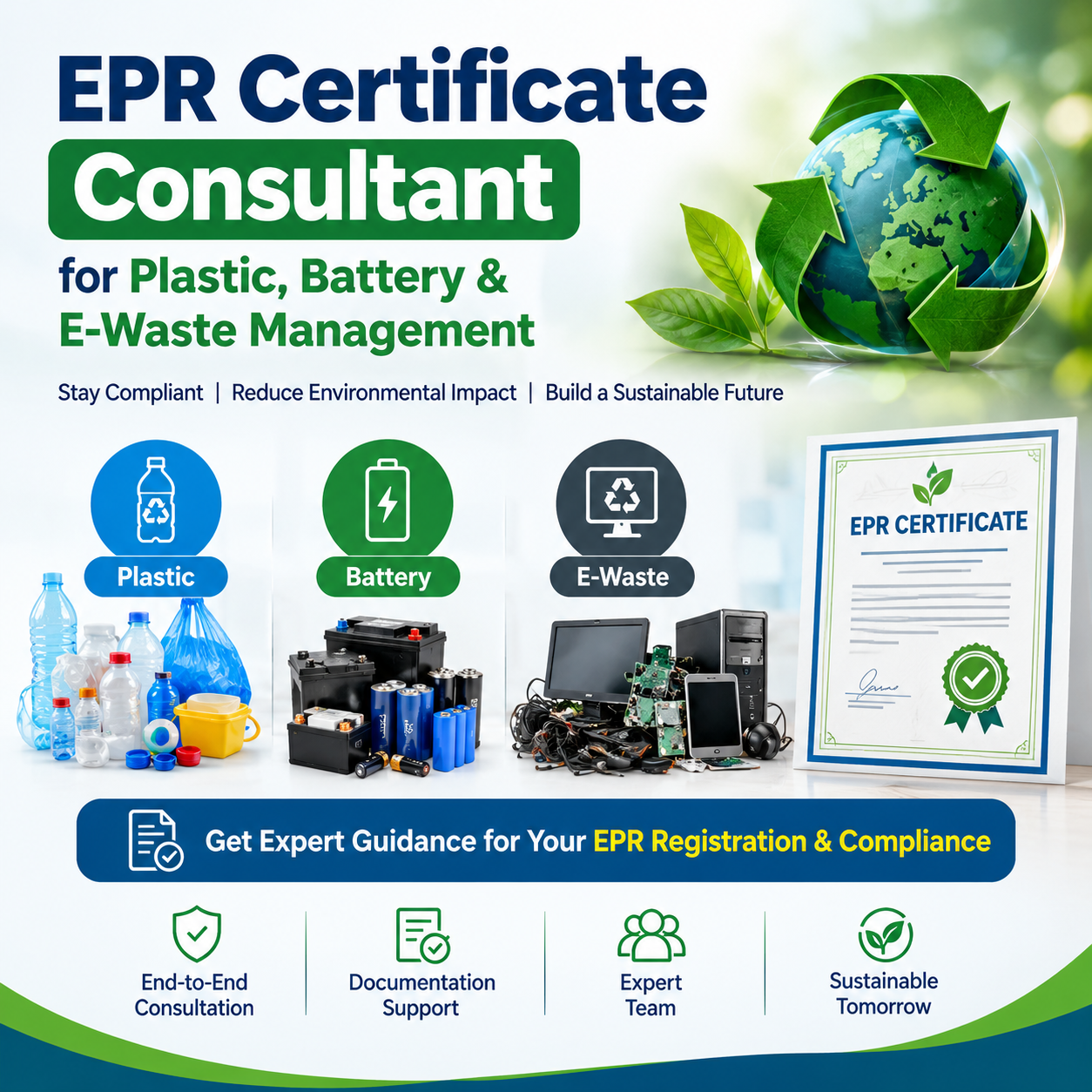
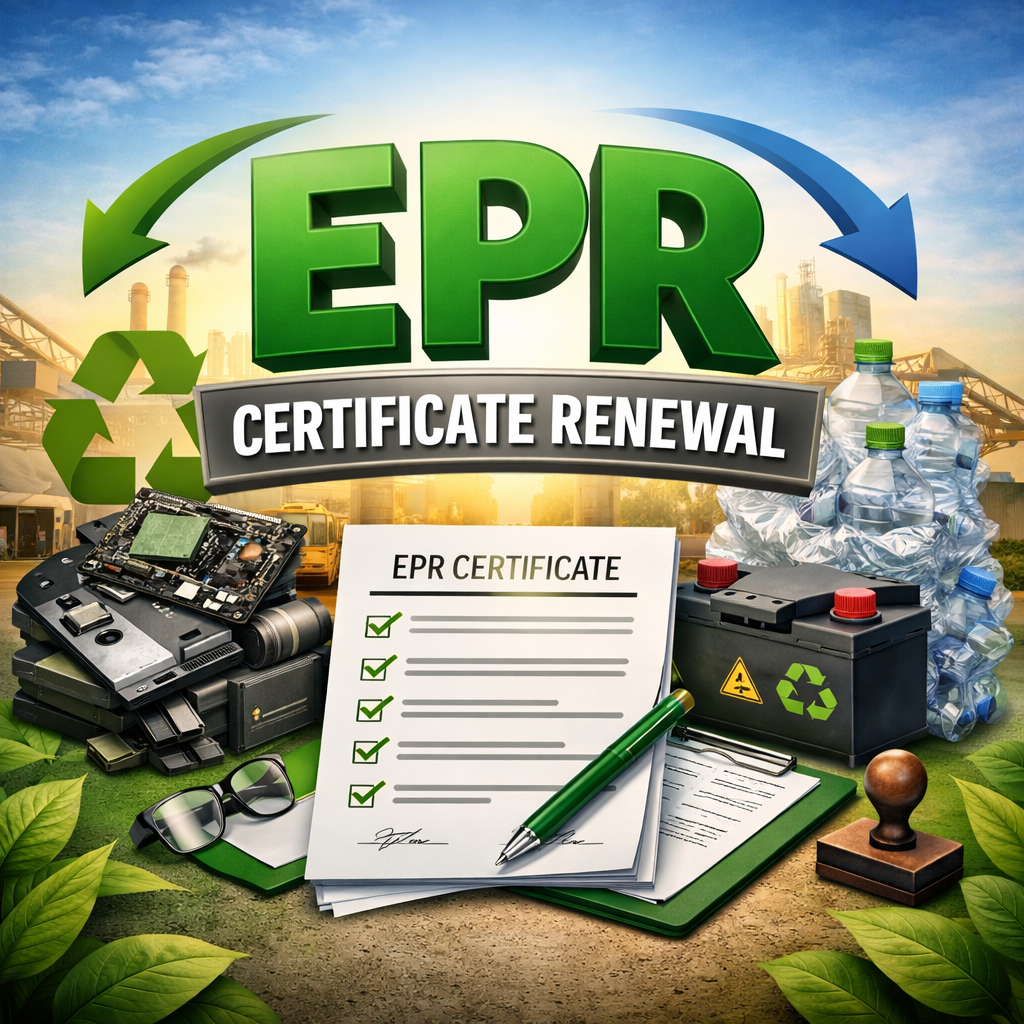
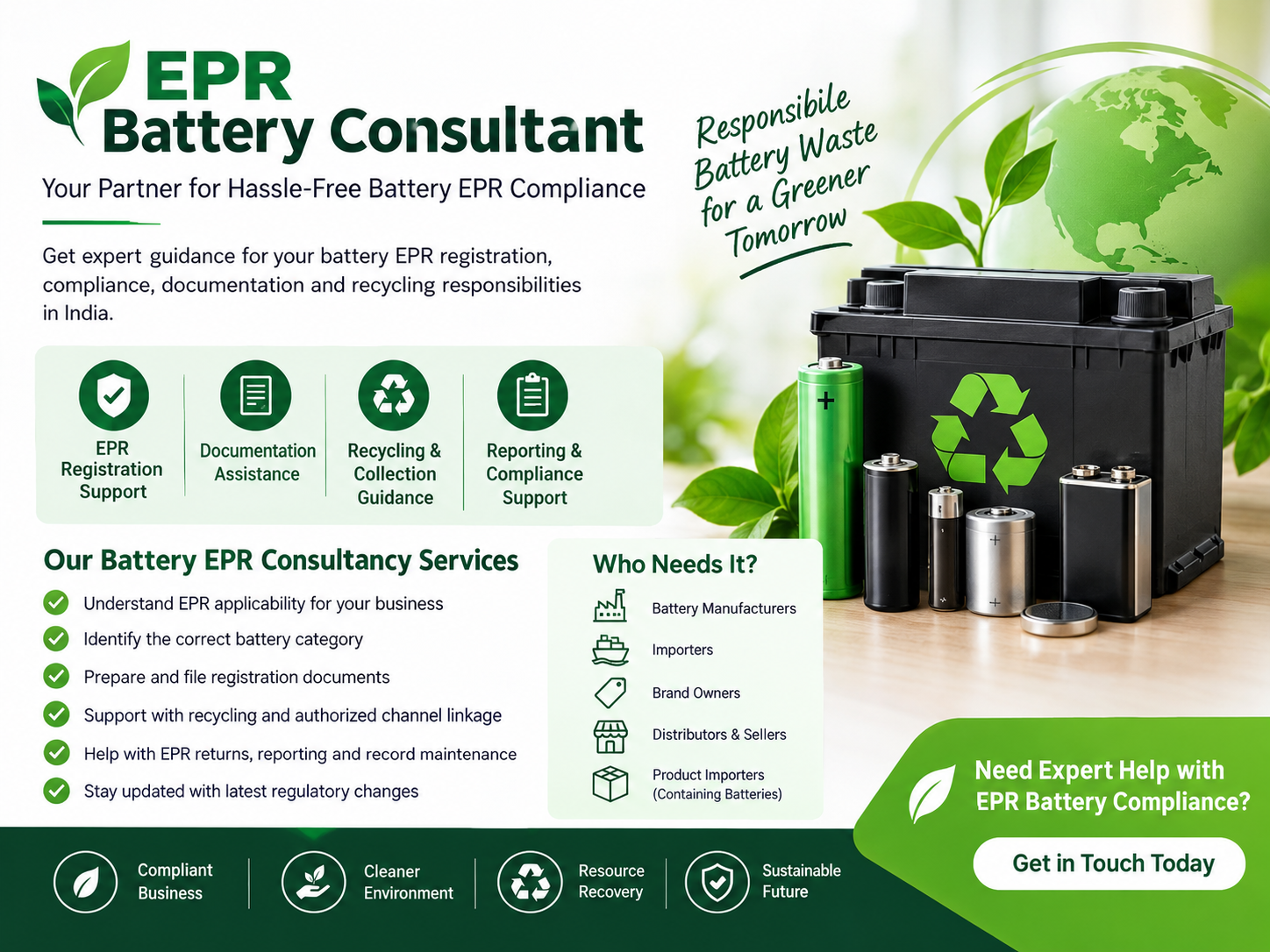
Businesses involved in the manufacturing, importing, selling, or distribution of batteries and battery-containing products may need to comply with India's Extended Producer Responsibility (EPR) framework. An EPR Battery Consultant helps businesses understand applicable requirements, complete registration, manage documentation, and fulfill their responsibilities under the applicable battery waste management regulations. With increasing focus on environmentally responsible battery collection, recycling, and resource recovery, proper EPR compliance has become an important requirement for eligible producers, importers, and brand owners. Professional consultancy can simplify the registration and compliance process while helping businesses maintain the necessary records. Extended Producer Responsibility, commonly known as EPR, places responsibility on eligible producers and other regulated entities for the environmentally sound management of products after their useful life. For batteries, the EPR framework focuses on the collection, recycling, and responsible management of waste batteries. Businesses covered by the applicable regulations may have specific obligations relating to registration, collection/recycling targets, documentation, reporting, and compliance records. An EPR Battery Consultant provides professional assistance to businesses that need to understand and fulfill these requirements. Battery-related EPR obligations can apply to different types of businesses depending on their role and the type of batteries or products they handle. These may include: Battery manufacturers Battery importers Producers of batteries Brand owners Importers of products containing batteries Businesses selling batteries under their own brand Companies involved in rechargeable battery products Manufacturers and importers dealing with different categories of batteries The exact applicability depends on the business activity, product category, and requirements under the applicable regulatory framework. Battery EPR compliance can involve several regulatory and documentation requirements. Businesses that are unfamiliar with the process may find it difficult to determine which obligations apply to them. An EPR Battery Consultant can help with: Understanding EPR applicability Identifying the relevant battery category Preparing registration documents EPR registration assistance Documentation and application support Understanding recycling obligations Connecting compliance activities with authorized recycling channels Maintaining compliance records EPR return and reporting assistance Guidance on regulatory updates Addressing documentation or application-related issues Professional assistance can make the compliance process more organized and reduce avoidable documentation errors. Battery waste management requirements cover different types of batteries. Depending on the applicable classification, batteries can include categories such as portable batteries, automotive batteries, industrial batteries, and electric vehicle batteries. The correct classification is important because compliance requirements may vary depending on the nature and category of the battery. A consultant can review the products and business activities and help determine the applicable category before proceeding with compliance. The EPR Battery registration process generally requires businesses to provide relevant information about their organization, products, batteries, and business activities. A typical consultancy process may involve the following steps: The consultant first understands the company's business model, products, battery types, manufacturing/import activities, and brand details. Required business and product-related documents are collected and reviewed. The exact documents depend on the applicant and applicable requirements. The batteries and relevant products are assessed to determine their applicable category. The required information is organized and the EPR application is prepared according to the applicable regulatory requirements. The consultant assists with submission and communication related to the registration process. Obtaining registration is only one part of EPR compliance. Businesses may also need to fulfill applicable recycling, reporting, record-keeping, and other continuing obligations. The documentation required can vary depending on the applicant's business structure and activities. Commonly required information may include: Company incorporation or registration documents PAN and GST details Authorized person's details Business address proof Product and battery information Brand details Manufacturing or import-related information Relevant declarations Details required for recycling or compliance activities Other documents specified by the applicable authority An EPR Battery Consultant can review the documents before submission and identify missing or inconsistent information. Proper compliance can help businesses maintain a structured approach toward their environmental responsibilities. Key benefits include: Regulatory compliance: Helps eligible businesses meet applicable EPR requirements. Better documentation: Proper records make ongoing compliance easier to manage. Responsible recycling: EPR supports the collection and environmentally sound management of waste batteries. Business continuity: Maintaining required registrations and compliance activities can help avoid regulatory complications. Professional guidance: A consultant can help businesses understand changing requirements and applicable procedures. Importers of batteries or products containing batteries should carefully assess whether they fall within the applicable EPR requirements. Before importing or selling products in India, businesses should understand their responsibilities regarding battery waste management. An EPR Battery Consultant can assist importers with applicability assessment, registration documentation, product information, and ongoing compliance requirements. Battery manufacturers may have specific responsibilities under the applicable EPR framework. These can include registration, maintaining product information, meeting applicable recycling responsibilities, and submitting required information or reports. A consultant can help manufacturers organize their compliance process and maintain relevant documentation. When selecting an EPR consultant, businesses should consider: Experience in battery EPR compliance Understanding of applicable environmental regulations Knowledge of battery categories Documentation support Registration assistance Post-registration compliance support Transparent communication Ability to support businesses with different product categories Businesses should also verify the exact scope of services offered by the consultant before engaging them. Batteries contain valuable materials as well as substances that require responsible management at the end of their useful life. Improper disposal can create environmental and waste-management concerns. The EPR framework promotes a more organized approach to collection, recycling, and resource recovery. For businesses covered by the regulations, understanding their responsibilities is therefore important for both regulatory compliance and responsible waste management. An EPR Battery Consultant can help manufacturers, importers, producers, and brand owners understand their applicable EPR responsibilities and manage the registration and compliance process. From identifying the correct battery category and preparing documentation to supporting registration, reporting, and ongoing compliance, professional consultancy can simplify the process. Businesses dealing with batteries should assess their EPR obligations at an early stage and maintain proper records throughout their operations. Since regulatory requirements and procedures can change, businesses should always follow the latest requirements applicable to their products and activities. An EPR Battery Consultant provides professional assistance to businesses with battery-related EPR applicability, registration, documentation, recycling obligations, reporting, and ongoing compliance requirements. Depending on the applicable regulations, battery manufacturers, producers, importers, brand owners, and businesses dealing with batteries or battery-containing products may have EPR obligations. Battery importers and businesses importing products containing batteries should assess their applicability under the current EPR framework. Where applicable, registration and other compliance requirements may apply. Documents can vary according to the applicant and business activity. They may include company details, PAN, GST information, address proof, product and battery information, brand details, and other regulatory documents. The applicable framework covers different battery categories, which can include portable, automotive, industrial, and electric vehicle batteries. The correct classification depends on the product and its intended use. Yes. An EPR consultant may provide assistance with applicable reporting, documentation, recycling-related compliance, record maintenance, and other post-registration requirements. Battery EPR compliance helps eligible businesses fulfill their responsibilities regarding the collection, recycling, and environmentally sound management of waste batteries while maintaining required regulatory records. The timeline can vary depending on the application, documentation, regulatory requirements, and processing by the relevant authority. A consultant can help ensure that the application is properly prepared. It depends on the products and batteries involved and the applicable regulatory requirements. Importers should assess their products and business activities to determine whether Battery EPR obligations apply. Businesses can consult an experienced EPR Battery Consultant for applicability assessment, documentation, registration assistance, and ongoing compliance support.What is EPR for Batteries?
Who May Need Battery EPR Compliance?
Why Hire an EPR Battery Consultant?
Battery Categories Under EPR
EPR Battery Registration Process
1. Business Assessment
2. Document Collection
3. Product and Battery Classification
4. Application Preparation
5. Registration Support
6. Post-Registration Compliance
Documents Required for Battery EPR
Benefits of EPR Battery Compliance
EPR Battery Compliance for Importers
EPR Battery Compliance for Manufacturers
How to Choose an EPR Battery Consultant?
Why EPR Battery Compliance is Important
Conclusion
Frequently Asked Questions (FAQs)
1. What is an EPR Battery Consultant?
2. Who needs Battery EPR compliance?
3. Is EPR registration required for battery importers?
4. What documents are required for Battery EPR registration?
5. What types of batteries are covered under EPR?
6. Can an EPR consultant help with post-registration compliance?
7. Why is Battery EPR compliance important?
8. How long does Battery EPR registration take?
9. Can importers of electronic products need Battery EPR compliance?
10. How can I get help with EPR Battery compliance?