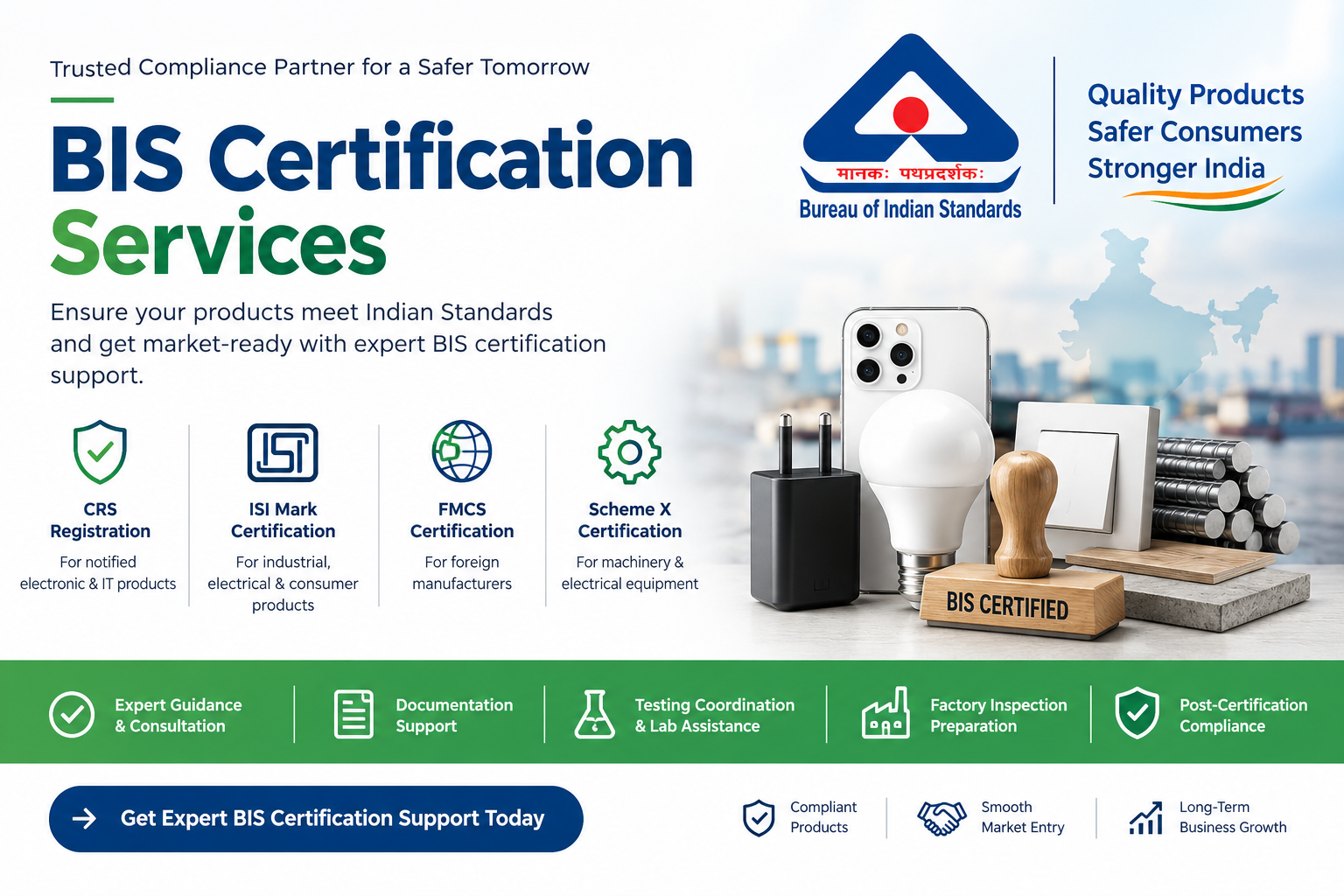
BIS Certification Services
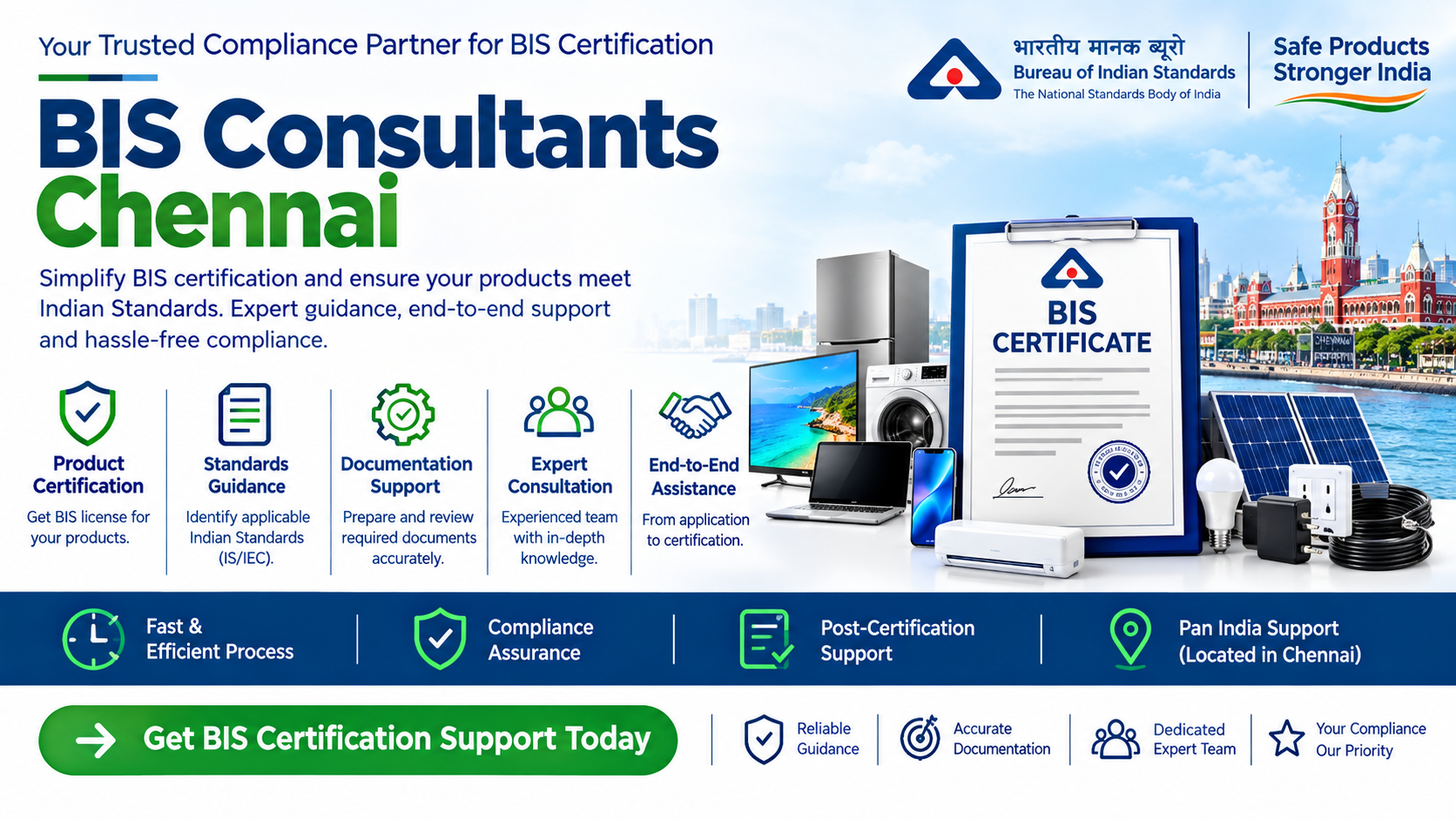
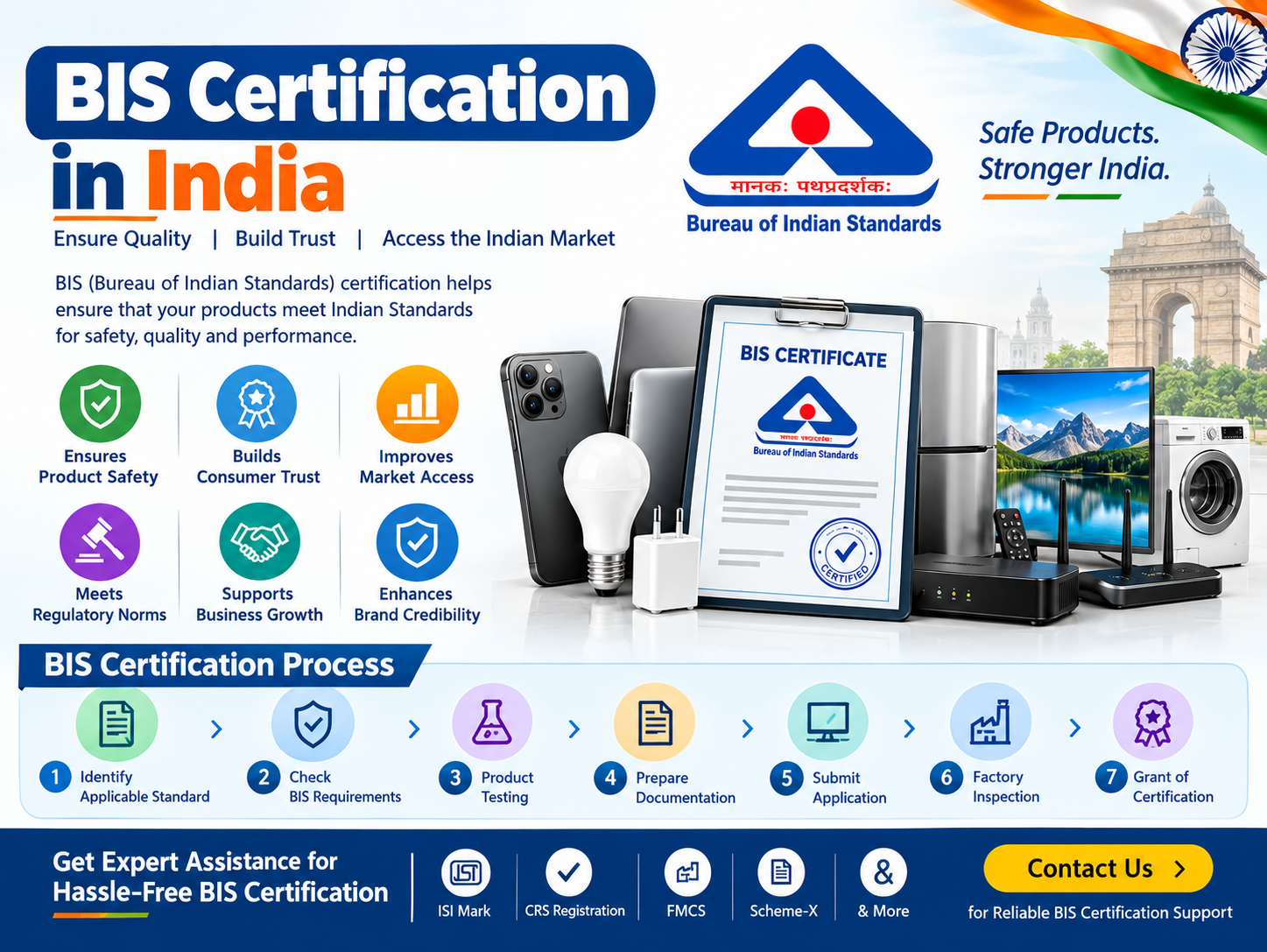
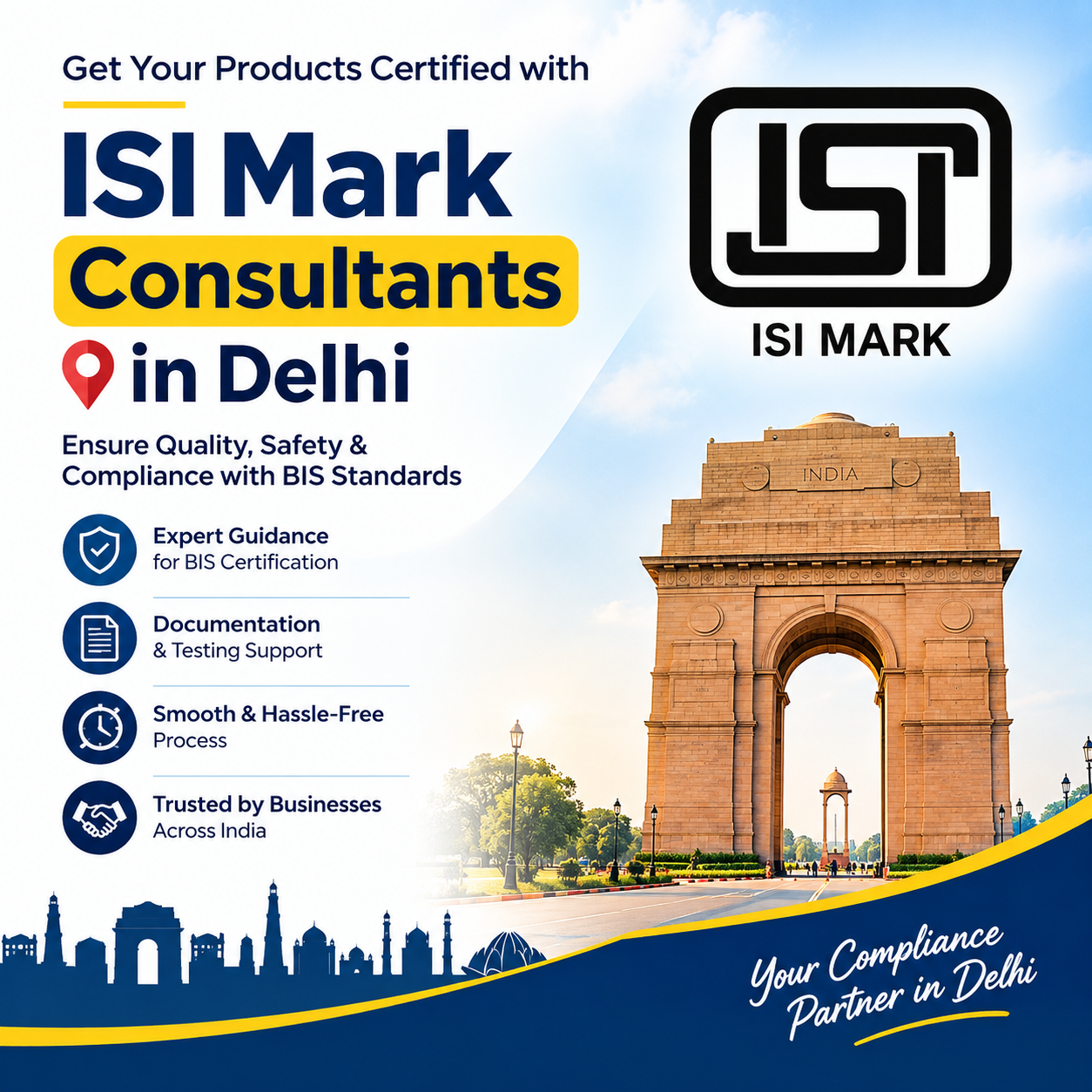
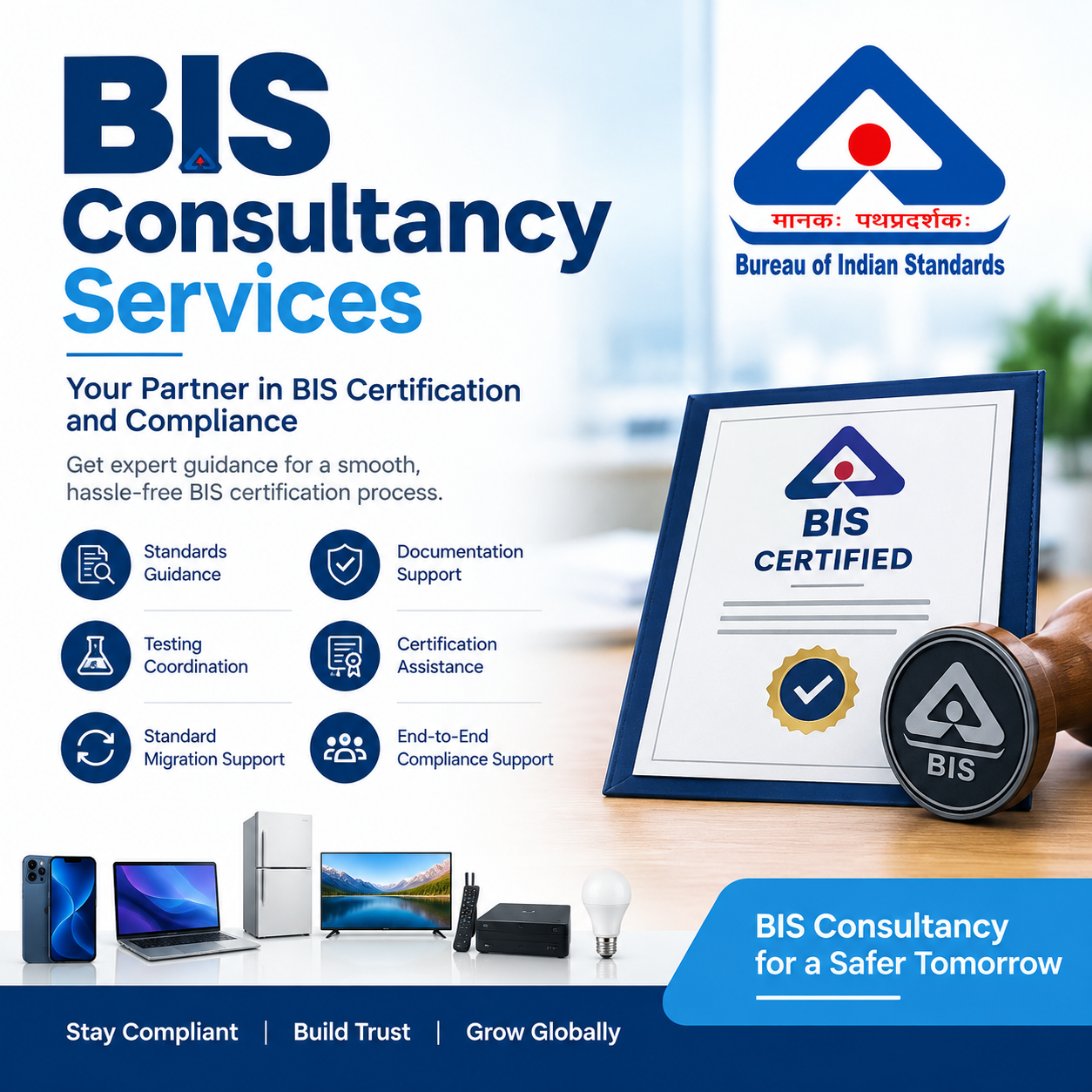
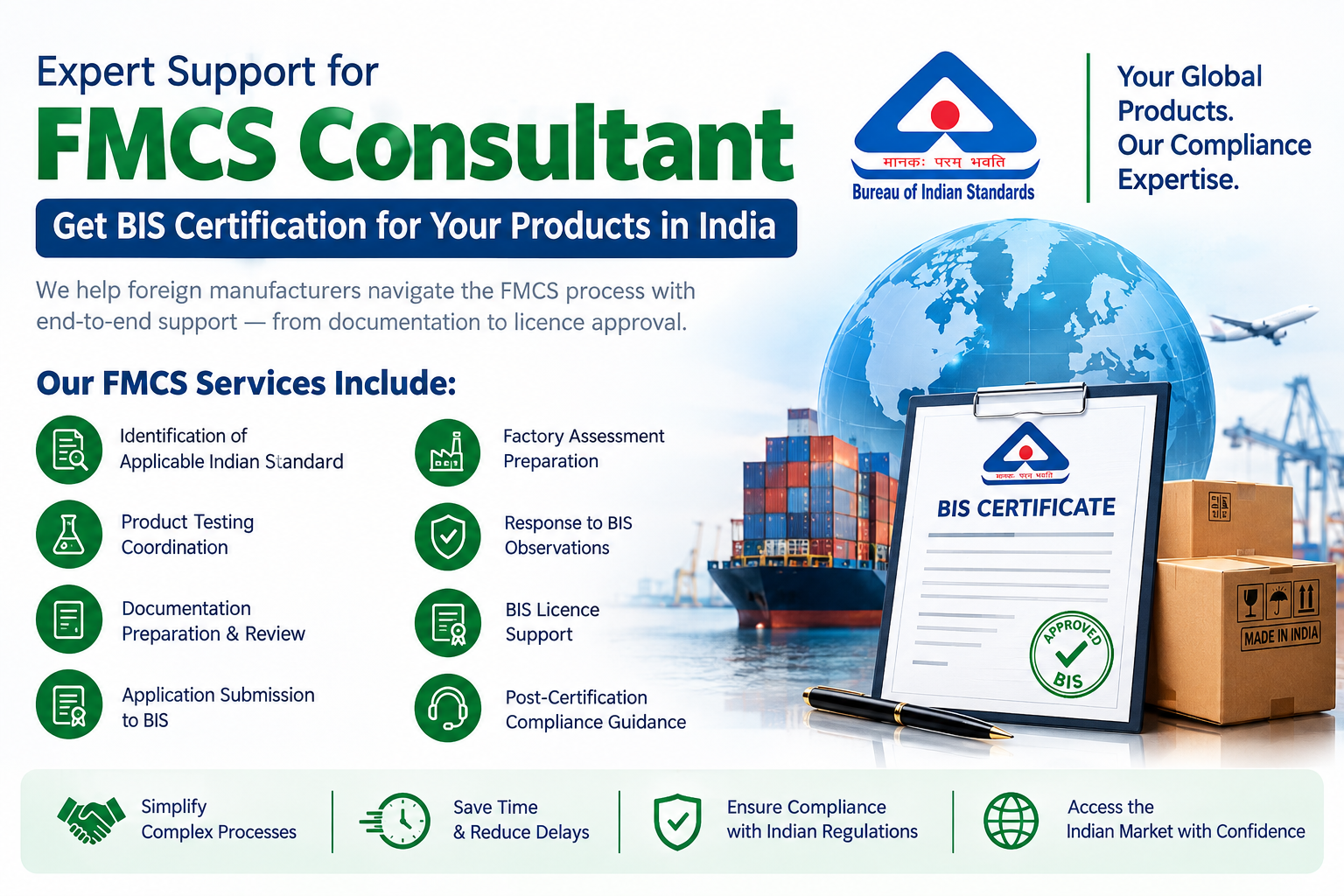
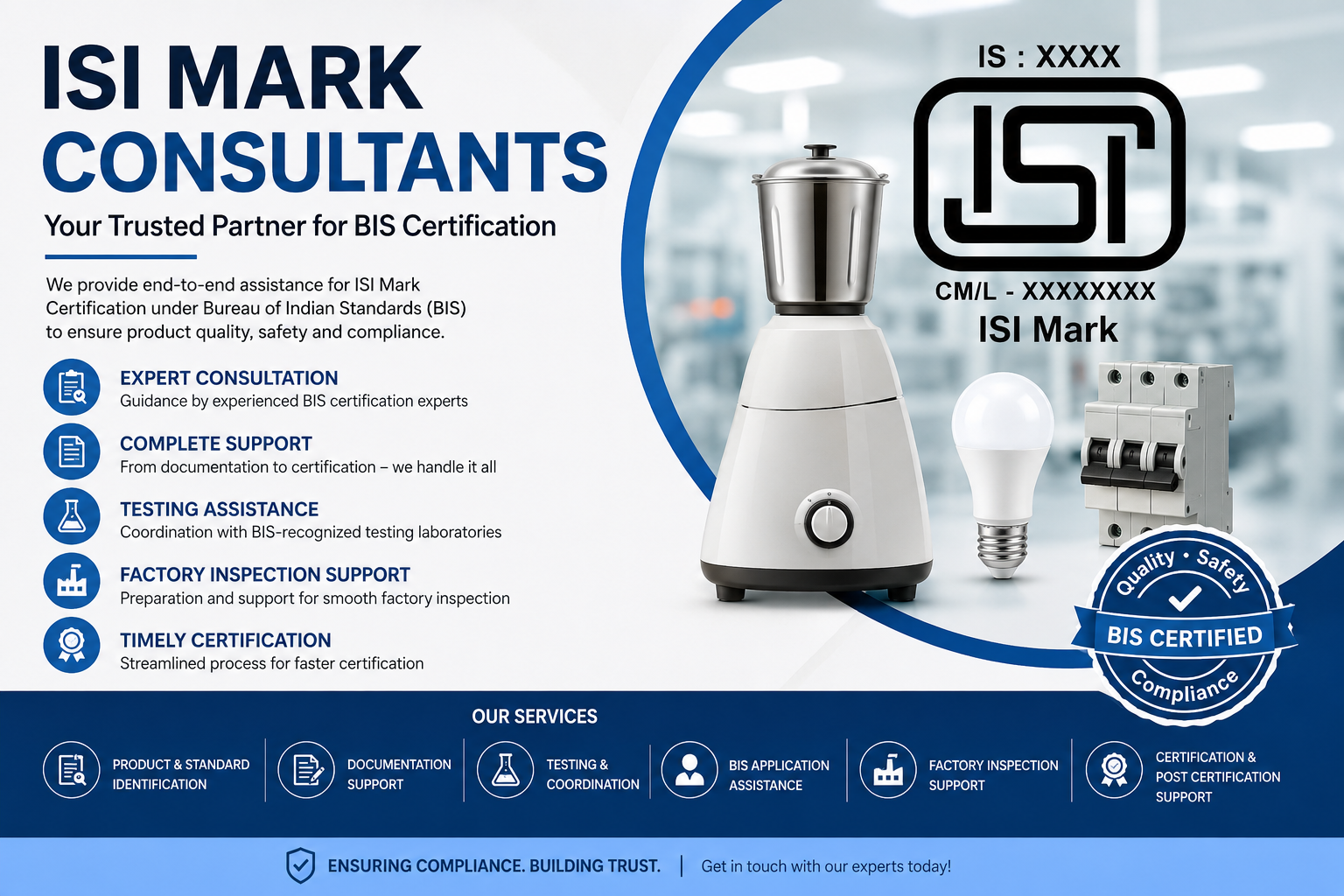
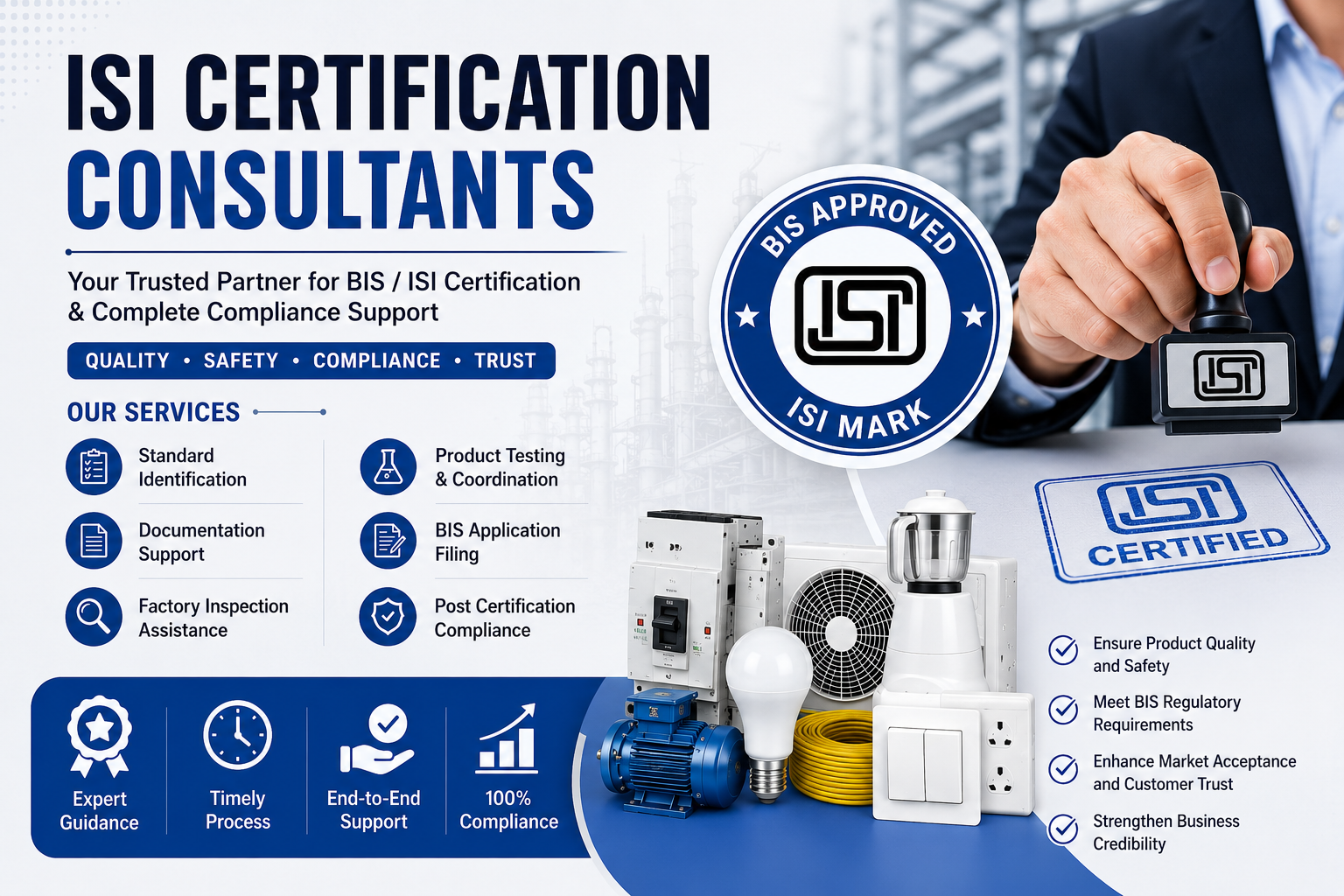
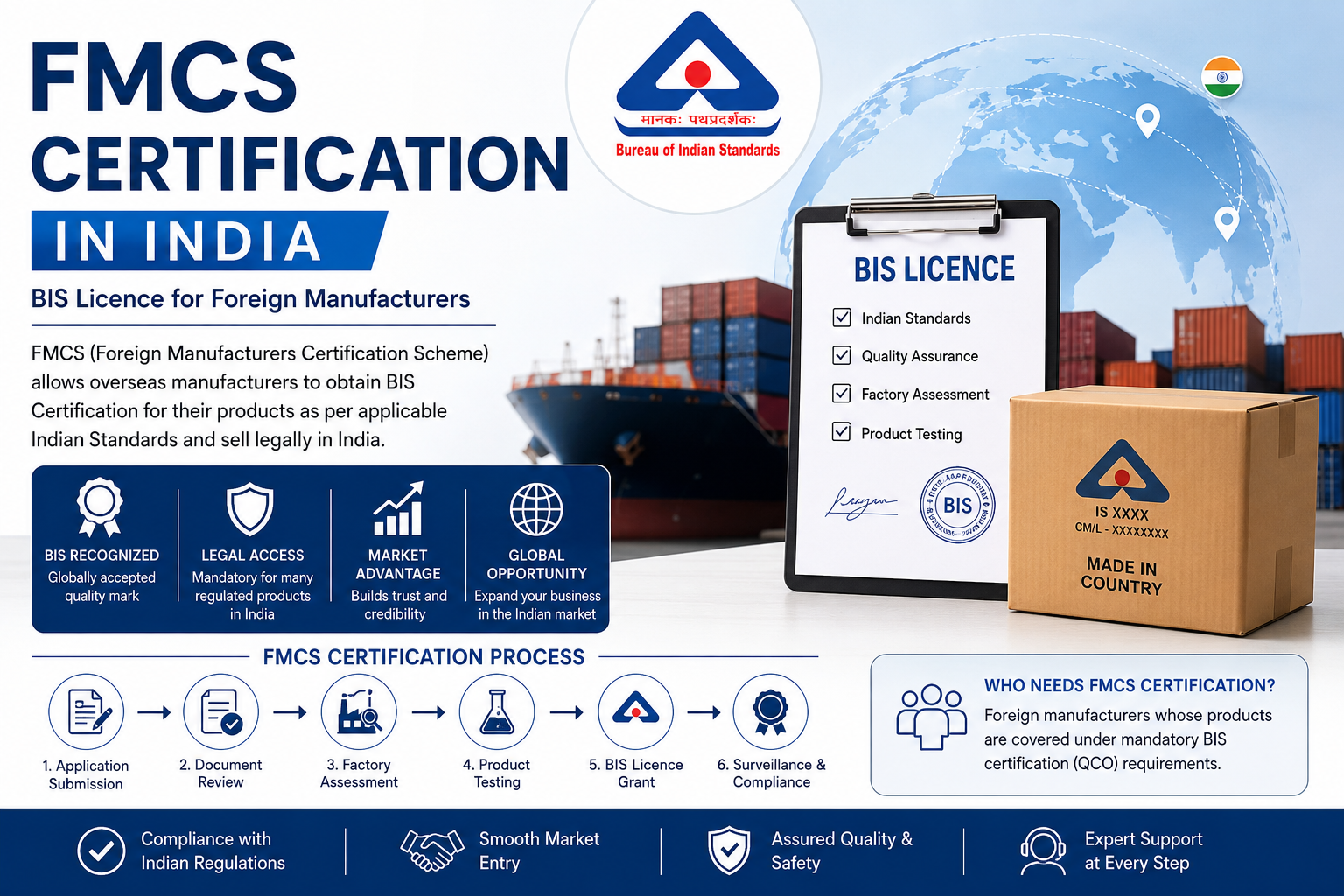
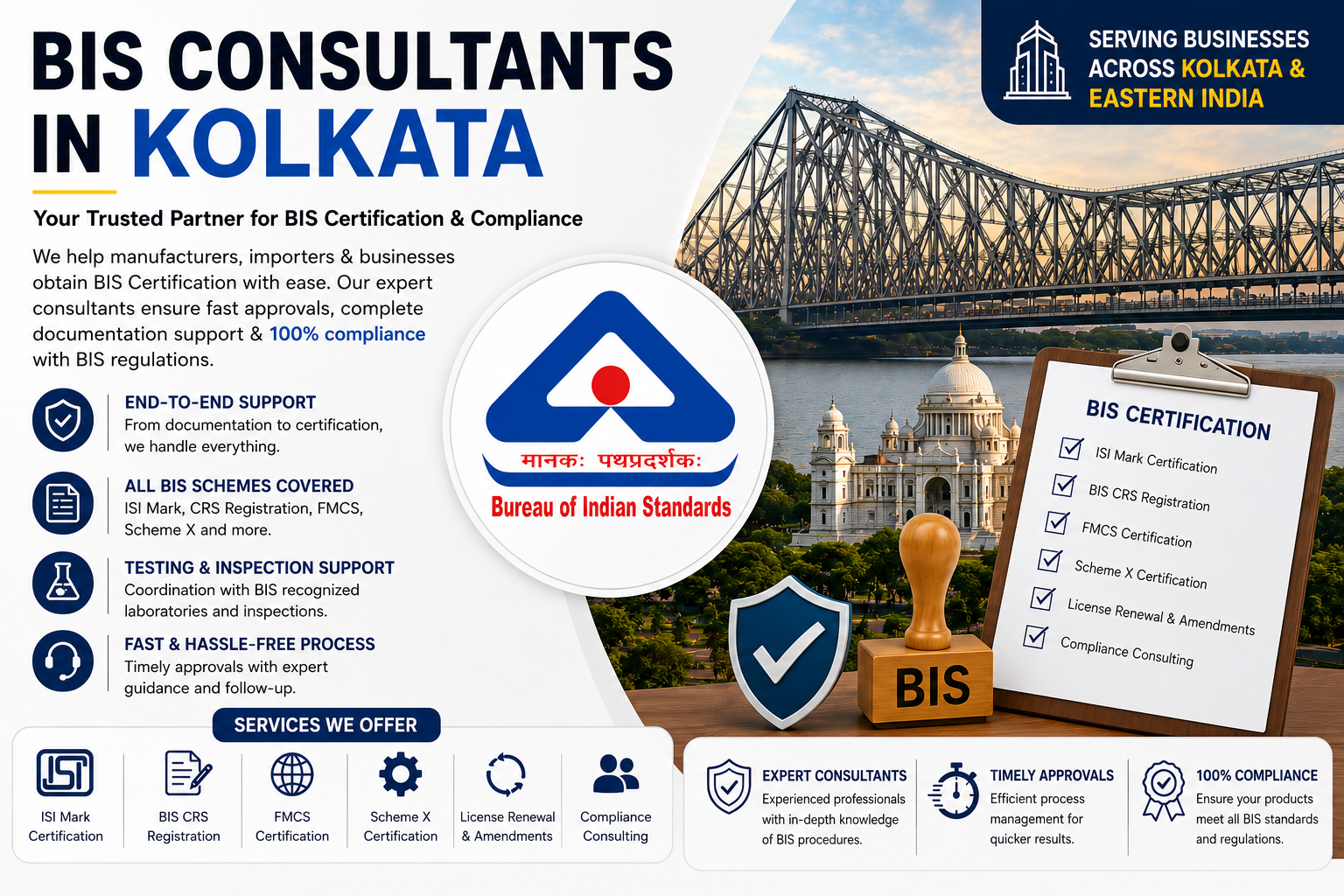
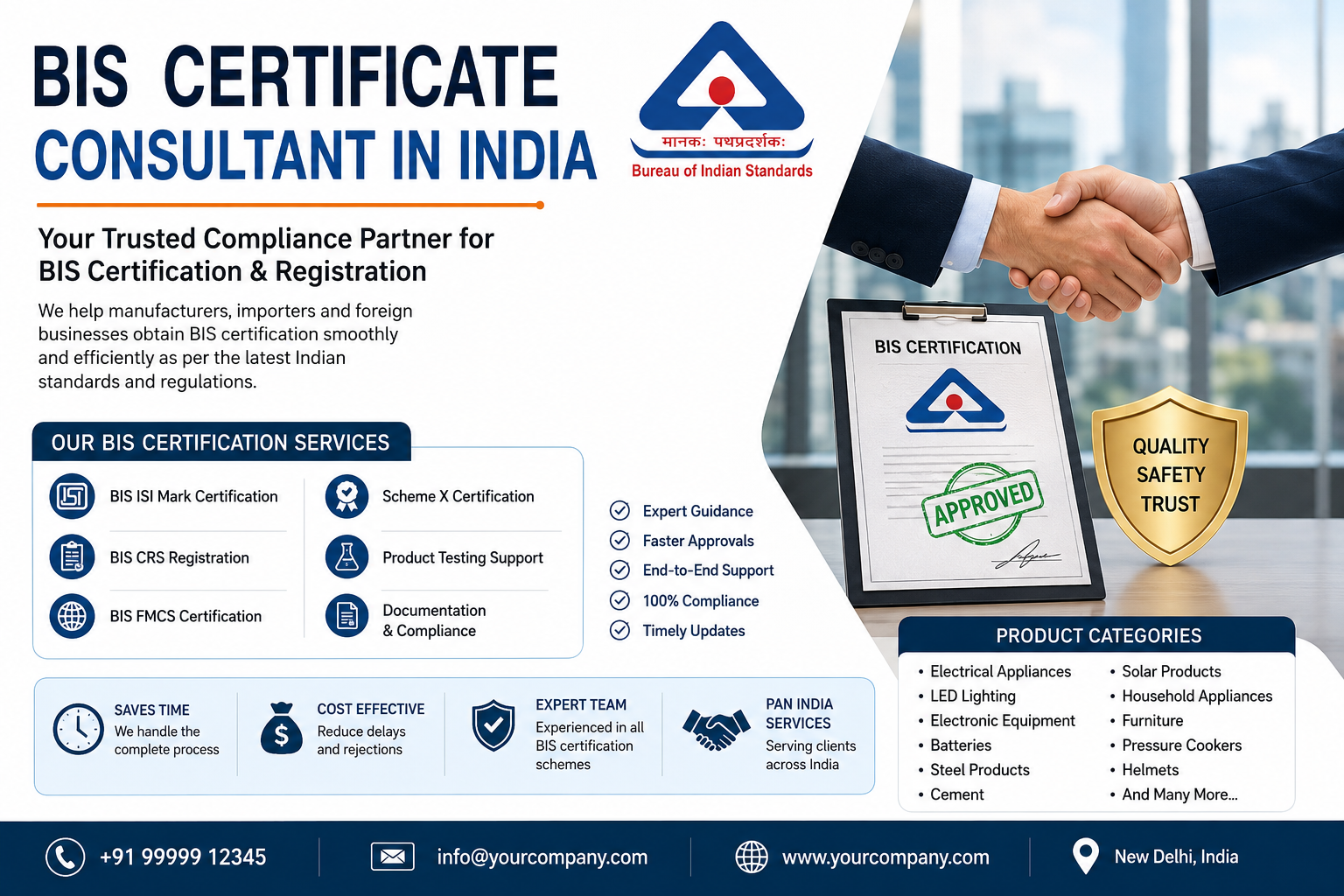
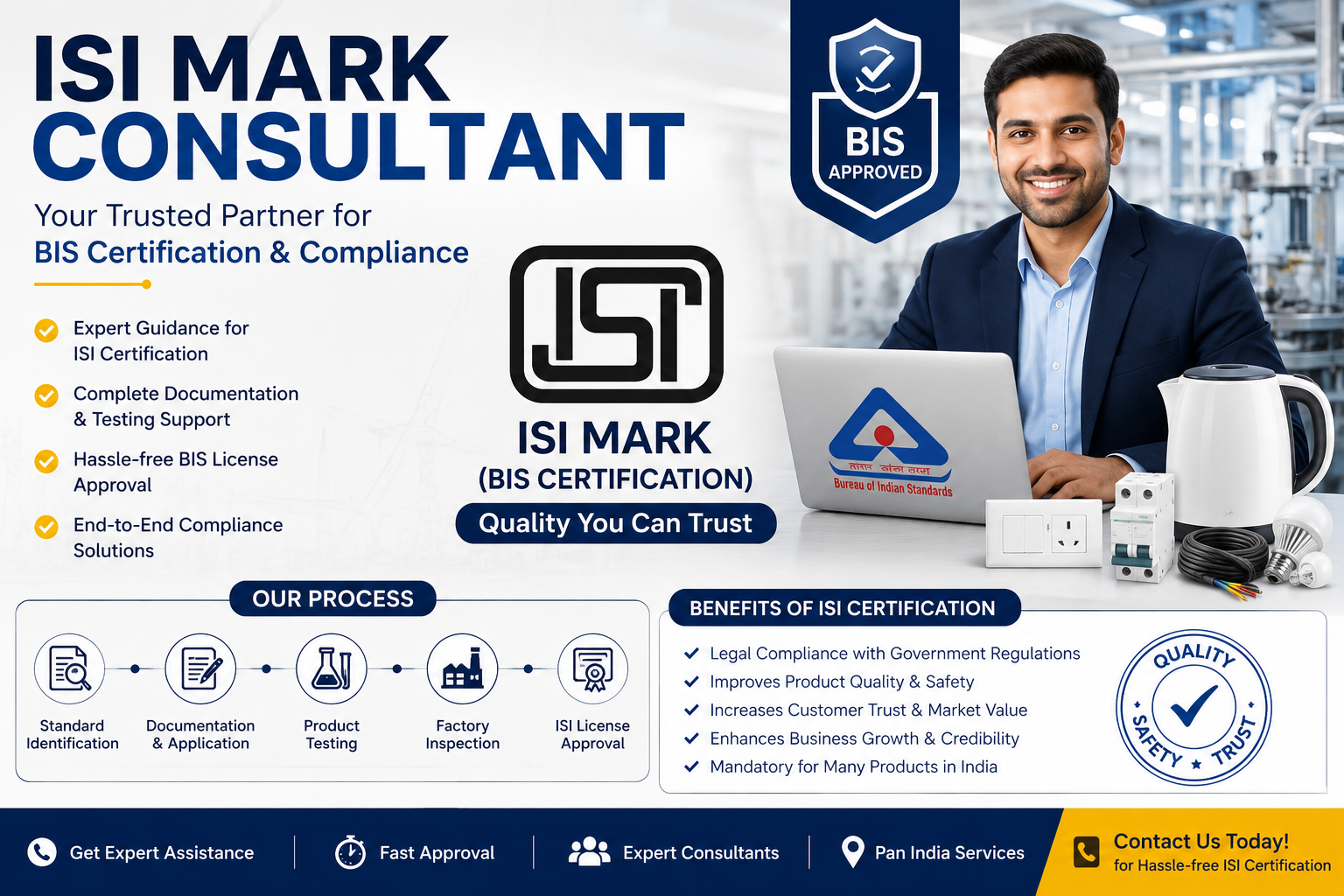
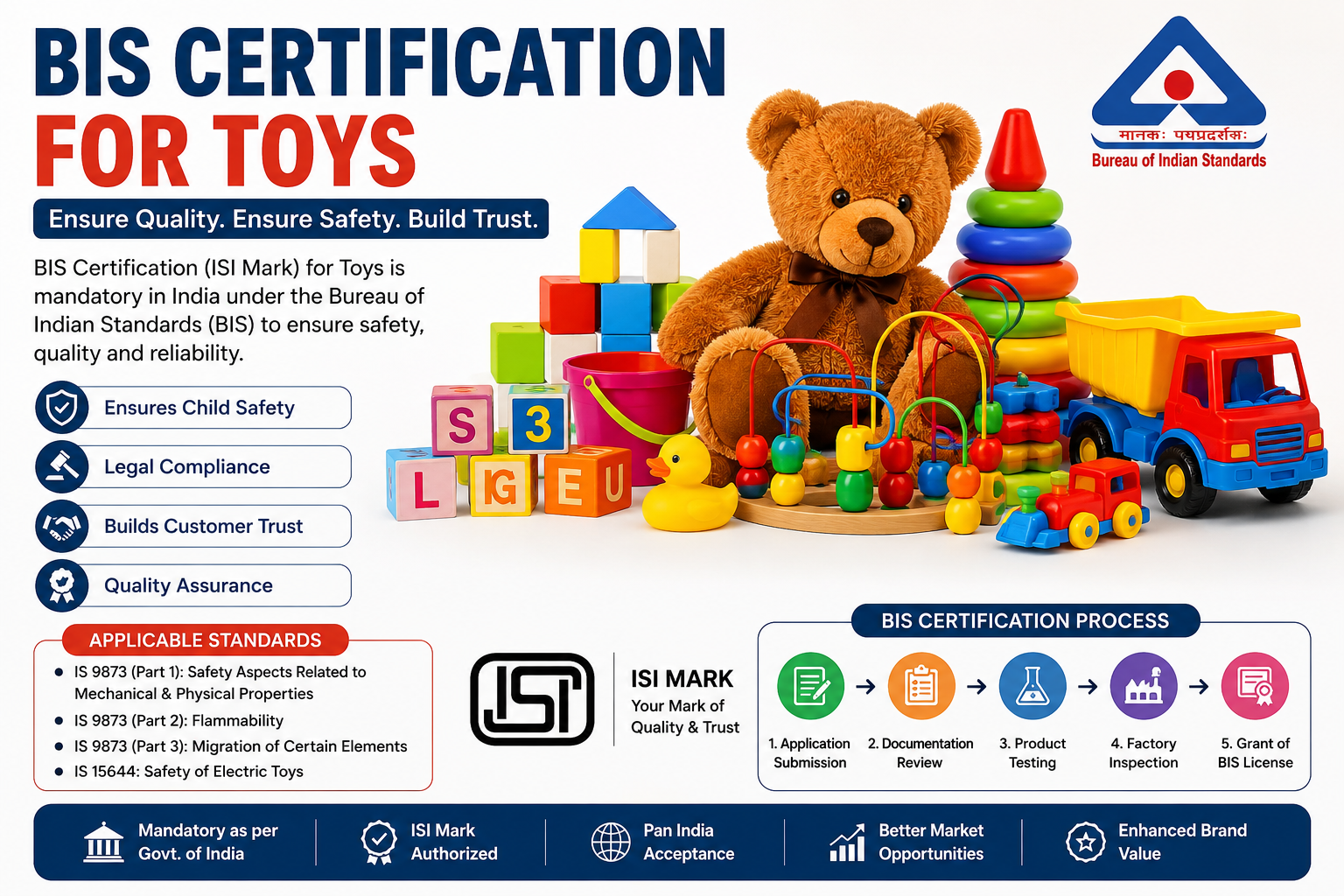
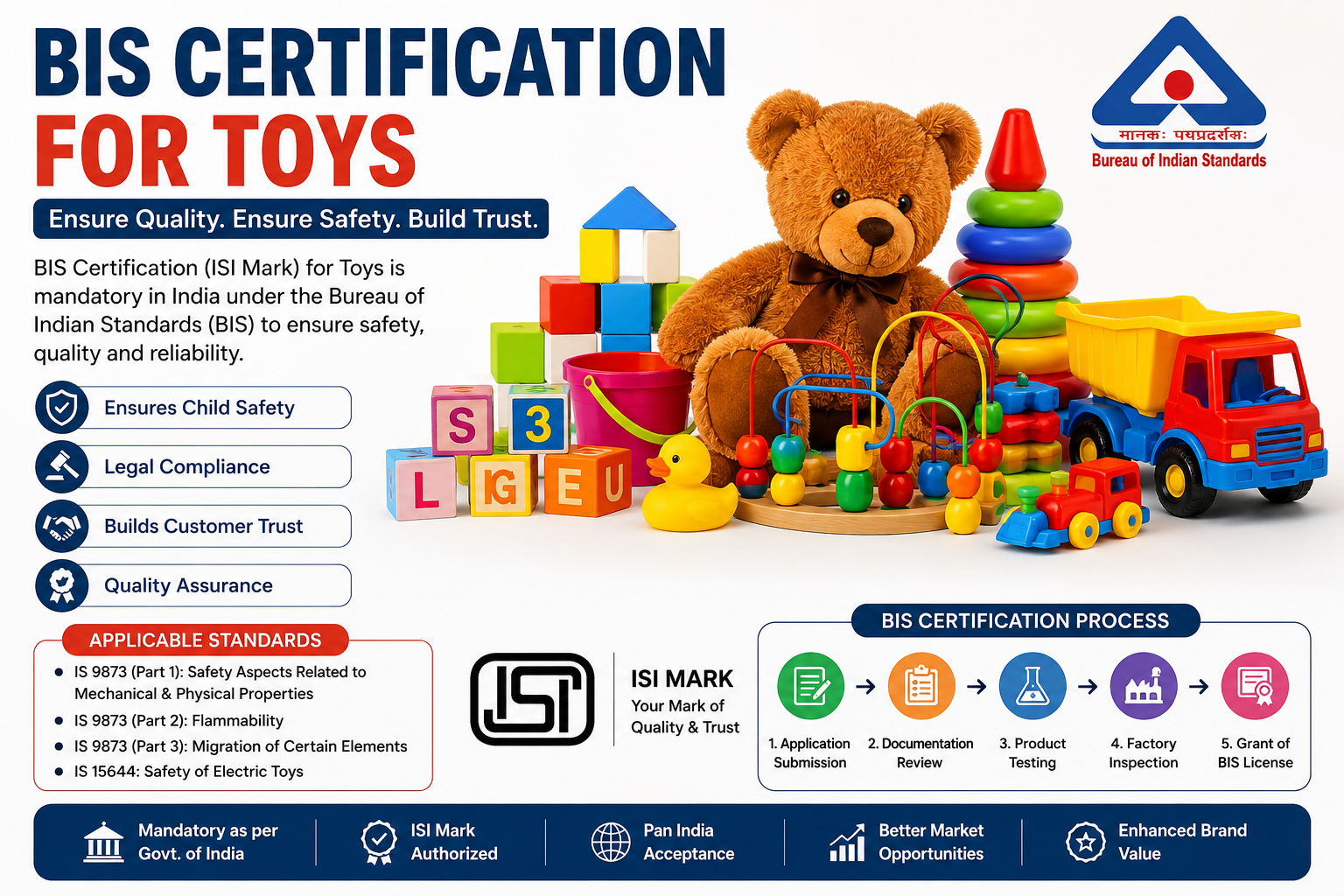
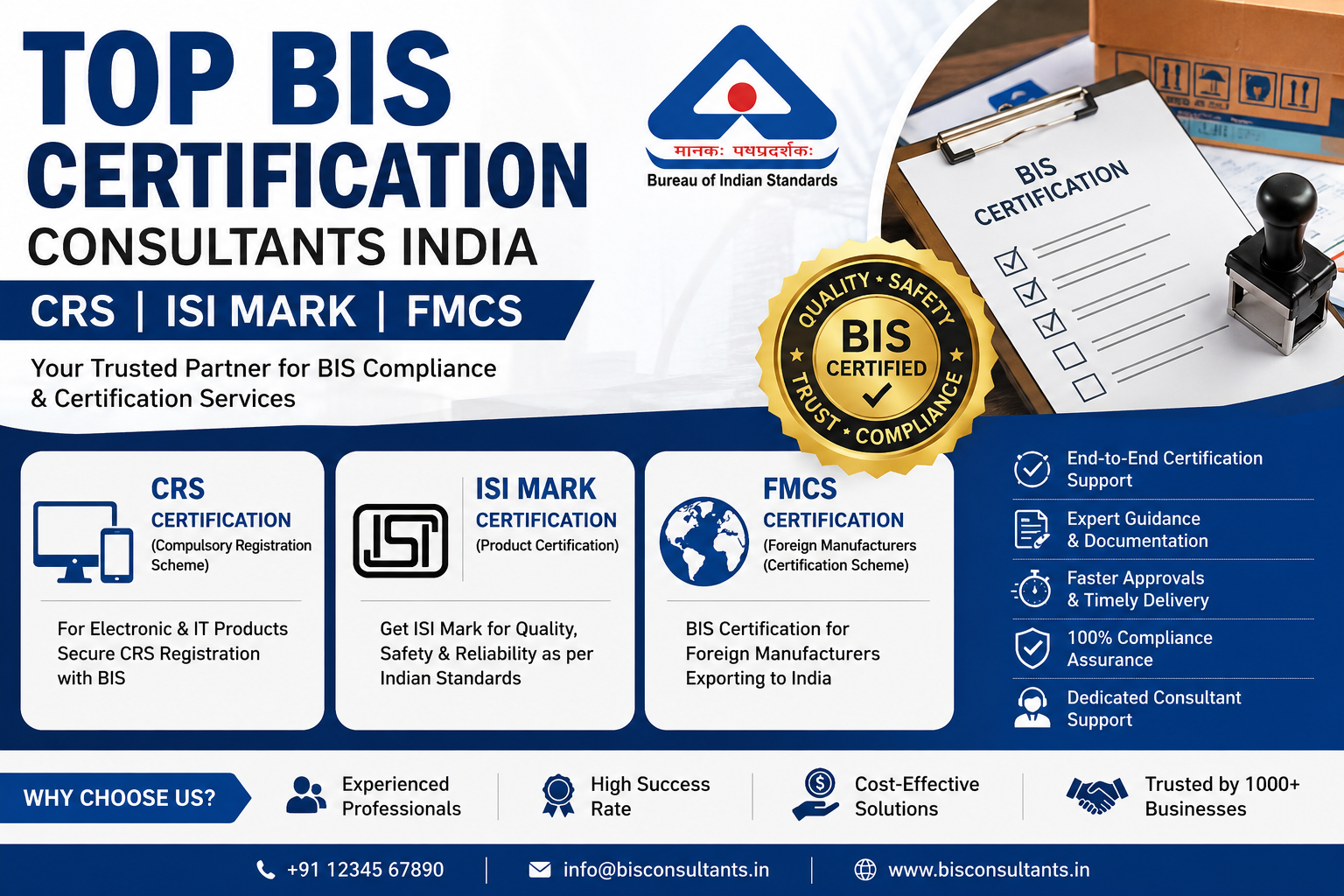
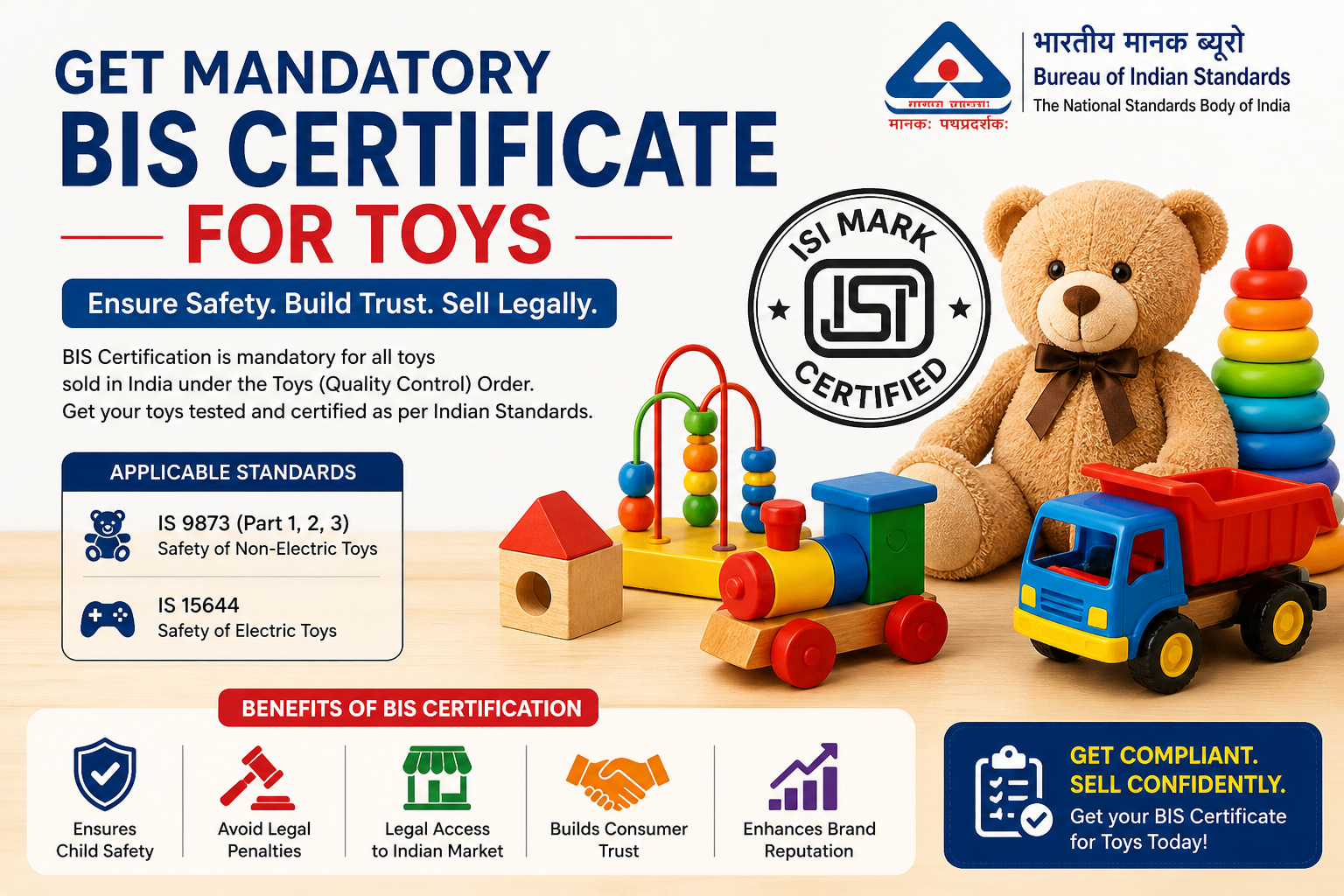
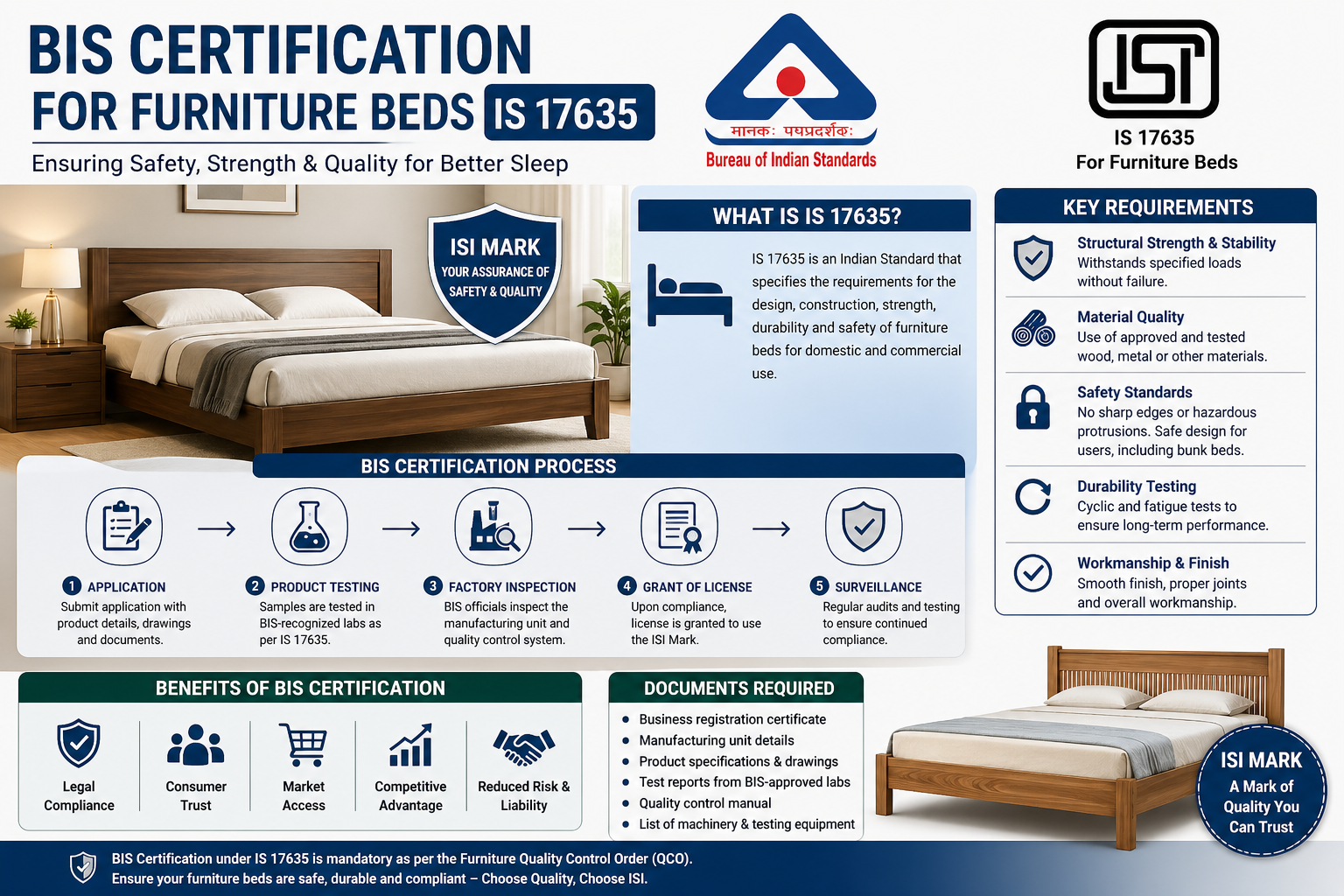
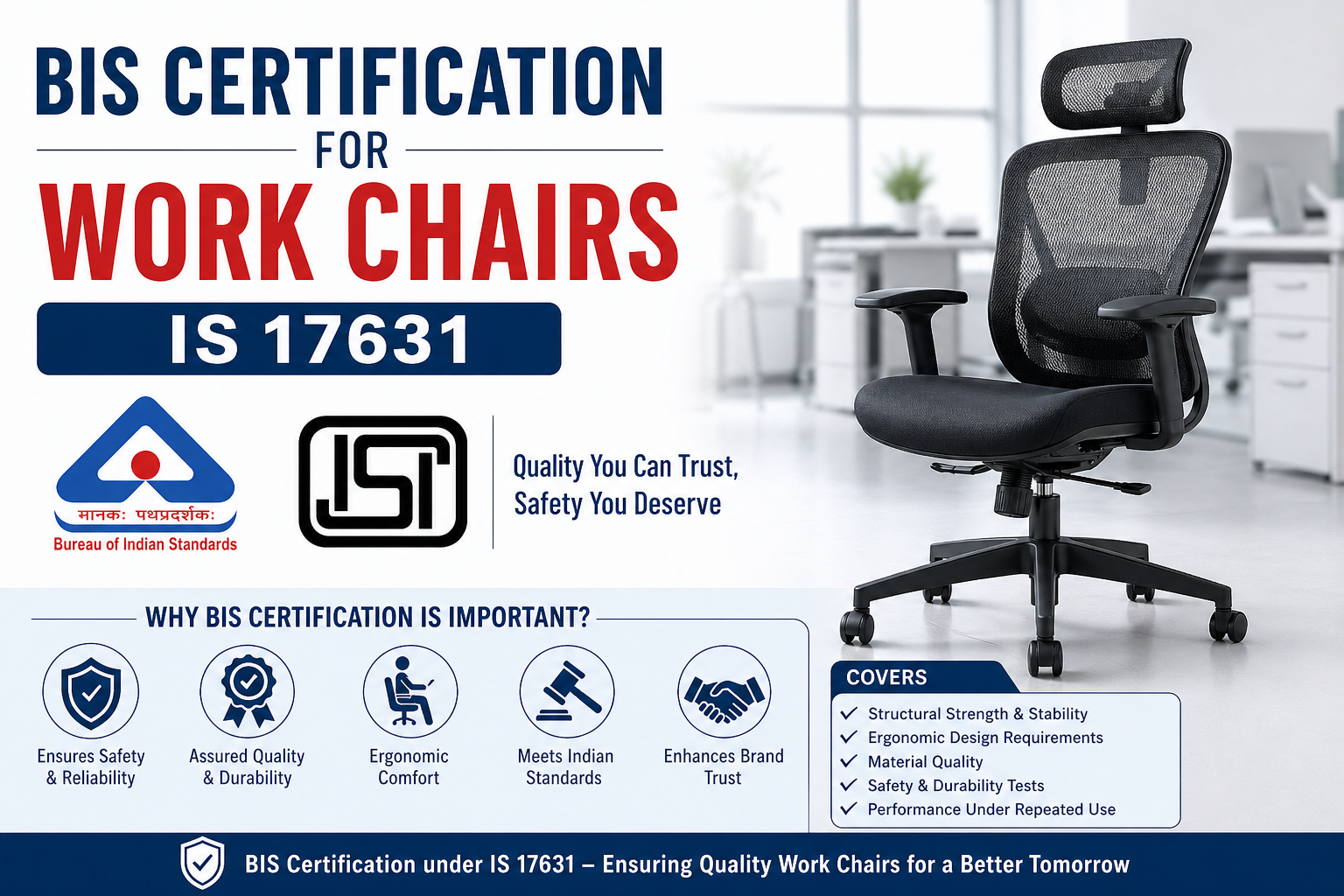
BIS Certification Services play an important role in helping manufacturers, importers, and businesses comply with applicable Indian product quality and safety standards. The Bureau of Indian Standards (BIS) is India's national standards body, responsible for developing Indian Standards and operating product certification schemes to ensure that products meet the relevant requirements for quality, safety, performance, and reliability. Businesses dealing with regulated products may need BIS certification before manufacturing, importing, distributing, or selling their products in the Indian market. The applicable requirements depend on the product category, relevant Indian Standard, and government Quality Control Orders (QCOs) or other applicable regulations. Professional BIS Certification Services help businesses understand these requirements, prepare documentation, coordinate product testing, and navigate the certification process efficiently. BIS Certification is a conformity assessment mechanism through which products are evaluated against applicable Indian Standards under the relevant BIS certification scheme. Depending on the product and scheme, the process may involve laboratory testing, factory inspection, manufacturing capability assessment, and verification of quality control procedures. When certification is mandatory for a product, manufacturers must obtain the required approval before placing the product on the Indian market, subject to the applicable rules and exemptions. The BIS Standard Mark, including the ISI Mark for products covered under the relevant scheme, indicates conformity with the applicable requirements. Certain electronic and IT products are covered under the Compulsory Registration Scheme (CRS), while other products may fall under different certification schemes. Obtaining BIS certification can be a complex process for businesses unfamiliar with Indian regulatory requirements. BIS certification consultants help simplify the process by identifying applicable standards, reviewing documentation, and coordinating essential activities. The major benefits of professional BIS Certification Services include: Regulatory compliance: Helps businesses understand and meet applicable mandatory certification requirements. Product quality and safety: Supports conformity with relevant Indian Standards. Market access: Helps eligible businesses meet the requirements for selling regulated products in India. Documentation assistance: Reduces errors and omissions in application documents. Testing coordination: Helps arrange testing through appropriate laboratories recognized or approved for the relevant purpose. Application support: Assists with application preparation, submission, and communication regarding deficiencies. Time management: Helps organize testing, documentation, and inspection activities efficiently. The actual certification timeline depends on the product category, testing requirements, completeness of documents, and BIS assessment. BIS operates different certification schemes depending on the nature of the product and the applicable regulatory framework. Some of the commonly required BIS certification services are described below. ISI Mark certification is relevant to products covered under the applicable BIS product certification scheme. It generally involves assessment of the product against the relevant Indian Standard, along with evaluation of manufacturing and quality control arrangements. Products covered by mandatory certification requirements may include cement, steel products, electrical appliances, building materials, and various industrial goods. BIS consultants can help manufacturers identify the correct Indian Standard, prepare technical documents, coordinate product testing, and understand factory inspection requirements. The Compulsory Registration Scheme (CRS) covers specified electronic and IT products notified under the applicable requirements. Depending on the product, manufacturers may need to demonstrate conformity with the relevant Indian Standard and obtain BIS registration before selling the product in India. Common product categories covered by applicable CRS requirements include certain mobile phones, power adapters, LED products, televisions, batteries, and other notified electronic equipment. BIS CRS registration services may include product classification, applicable standard identification, test report coordination, manufacturer documentation, application preparation, and assistance with queries raised during the registration process. The Foreign Manufacturers Certification Scheme (FMCS) enables eligible foreign manufacturers to obtain BIS product certification for applicable products manufactured outside India. Foreign manufacturers may need to appoint an authorized Indian representative, establish the required quality control arrangements, and meet the relevant factory inspection and product testing requirements. BIS FMCS consultants assist international manufacturers in understanding Indian regulatory obligations, preparing documents, coordinating factory assessments, and managing application-related communication. BIS Scheme X is a certification framework relevant to specified products, including applicable machinery and electrical equipment covered by the relevant regulations and notifications. The requirements depend on the product classification, applicable standard, and current regulatory provisions. Businesses should verify whether their products fall within the scope of Scheme X and whether certification is mandatory for their particular category. Consultancy support can include regulatory applicability checks, technical documentation, testing coordination, and assistance with the relevant conformity assessment process. Indian manufacturers and foreign manufacturers supplying products to India may have different application and documentation requirements. Importers should identify the actual manufacturer, product category, applicable Indian Standard, and relevant mandatory certification requirements before importing regulated products. BIS certification is not automatically required for every imported product. The requirement must be determined by checking the applicable product-specific regulations. Professional consultants help businesses understand their responsibilities and avoid relying on incorrect assumptions about product certification. The process for obtaining BIS certification varies according to the applicable scheme. However, the general steps may include the following: Step 1: Identify the applicable standard Determine the correct Indian Standard and confirm whether the product is covered by mandatory BIS certification requirements. Step 2: Check regulatory applicability Review the applicable QCO, notification, scheme guidelines, and any relevant exemptions or implementation deadlines. Step 3: Prepare the required documents Documents may include manufacturing details, business registration documents, product specifications, factory information, quality control procedures, and authorization documents, depending on the scheme. Step 4: Arrange product testing The product may need to be tested according to the applicable Indian Standard at a laboratory recognized or approved for the relevant certification purpose. Step 5: Submit the application Complete the applicable online application and submit the required supporting information, test reports, and documents. Step 6: Factory inspection, where applicable For schemes requiring factory assessment, BIS may evaluate manufacturing facilities, testing arrangements, production processes, and quality control systems. Step 7: Respond to queries Applicants may need to provide clarifications, additional documents, corrective actions, or further testing information. Step 8: Obtain certification or registration BIS issues the applicable licence or registration when the prescribed requirements are satisfied. Applicants must then comply with applicable marking, surveillance, renewal, and ongoing conformity requirements. The documents required depend on the product and certification scheme. Commonly requested documents may include: Company registration or incorporation documents. Manufacturing address and factory details. Product specifications and technical datasheets. Applicable Indian Standard details. Manufacturing process information. Quality control and testing arrangements. Product photographs, labels, and marking details. Authorization documents for the applicant or authorized Indian representative, where applicable. Test reports and supporting technical documents. Trademark or brand authorization documents, where required. A product-specific document checklist should be prepared before submitting an application. Choosing an experienced BIS certification consultant can help businesses manage regulatory requirements more systematically. Before selecting a consultant, consider their experience with the relevant product category, understanding of Indian Standards, documentation support, testing coordination capabilities, and transparency regarding professional fees. A reliable consultant should explain the applicable process, identify potential compliance issues, clarify the client's responsibilities, and provide realistic timelines. Businesses should also verify that any claims about certification, laboratory acceptance, or government approval are accurate. Consultants can provide professional assistance, but certification decisions remain with BIS or the relevant authorized body. Professional BIS Certification Services offer structured support throughout the compliance process. From determining regulatory applicability to preparing documents and coordinating testing, consultants can help manufacturers and importers understand the steps required for their products. Whether a business requires ISI Mark certification, BIS CRS registration, FMCS certification, or assistance with applicable Scheme X requirements, product-specific guidance can reduce avoidable mistakes and improve application preparedness. Businesses should confirm the latest requirements directly through official BIS publications and applicable government notifications, particularly when standards, QCO deadlines, or certification procedures change. BIS Certification Services help manufacturers, importers, and businesses understand applicable Indian Standards, prepare certification documents, coordinate product testing, and navigate the relevant BIS certification or registration process. BIS certification is mandatory for products covered by applicable compulsory certification requirements. Not every product requires certification, so businesses should verify the relevant QCO, notification, and scheme requirements. The timeline depends on the certification scheme, product category, testing duration, document completeness, factory inspection requirements, and BIS assessment. There is no single timeline applicable to every product. ISI Mark certification generally applies to products covered under the relevant BIS product certification scheme. CRS registration covers specified electronic and IT products under the Compulsory Registration Scheme. Their procedures and requirements differ. Yes. Eligible foreign manufacturers can apply under the relevant BIS scheme. FMCS is one of the schemes available for applicable products manufactured outside India, subject to the prescribed requirements. Requirements vary by product and scheme but may include company documents, factory details, technical specifications, product photographs, test reports, quality control information, and authorization documents. No consultant can guarantee approval. BIS or the relevant authorized body makes the certification decision after evaluating compliance with the applicable requirements. Selling, importing, or manufacturing a product without required certification may lead to regulatory action, restrictions on sale, penalties, or other consequences under applicable laws. Businesses should verify compliance before placing regulated products on the market. The validity and renewal requirements depend on the relevant licence or registration scheme. Certificate holders should follow applicable renewal, surveillance, marking, and ongoing compliance requirements. You can consult an experienced BIS certification service provider to identify the applicable standard, assess regulatory requirements, prepare documents, coordinate testing, and receive guidance throughout the process. BIS Certification Services are valuable for businesses seeking to comply with India's product quality and safety regulations. Understanding the applicable Indian Standard, identifying mandatory certification requirements, preparing accurate documentation, and completing the relevant testing and assessment procedures are essential steps. Whether you are an Indian manufacturer, foreign manufacturer, importer, or brand owner, professional BIS consultancy can help you understand the certification process and prepare the necessary documentation. Always verify the latest official BIS requirements for your specific product before beginning the application process.What Is BIS Certification?
Why Are BIS Certification Services Important?
Types of BIS Certification Services
1. BIS ISI Mark Certification
2. BIS CRS Registration
3. BIS FMCS Certification
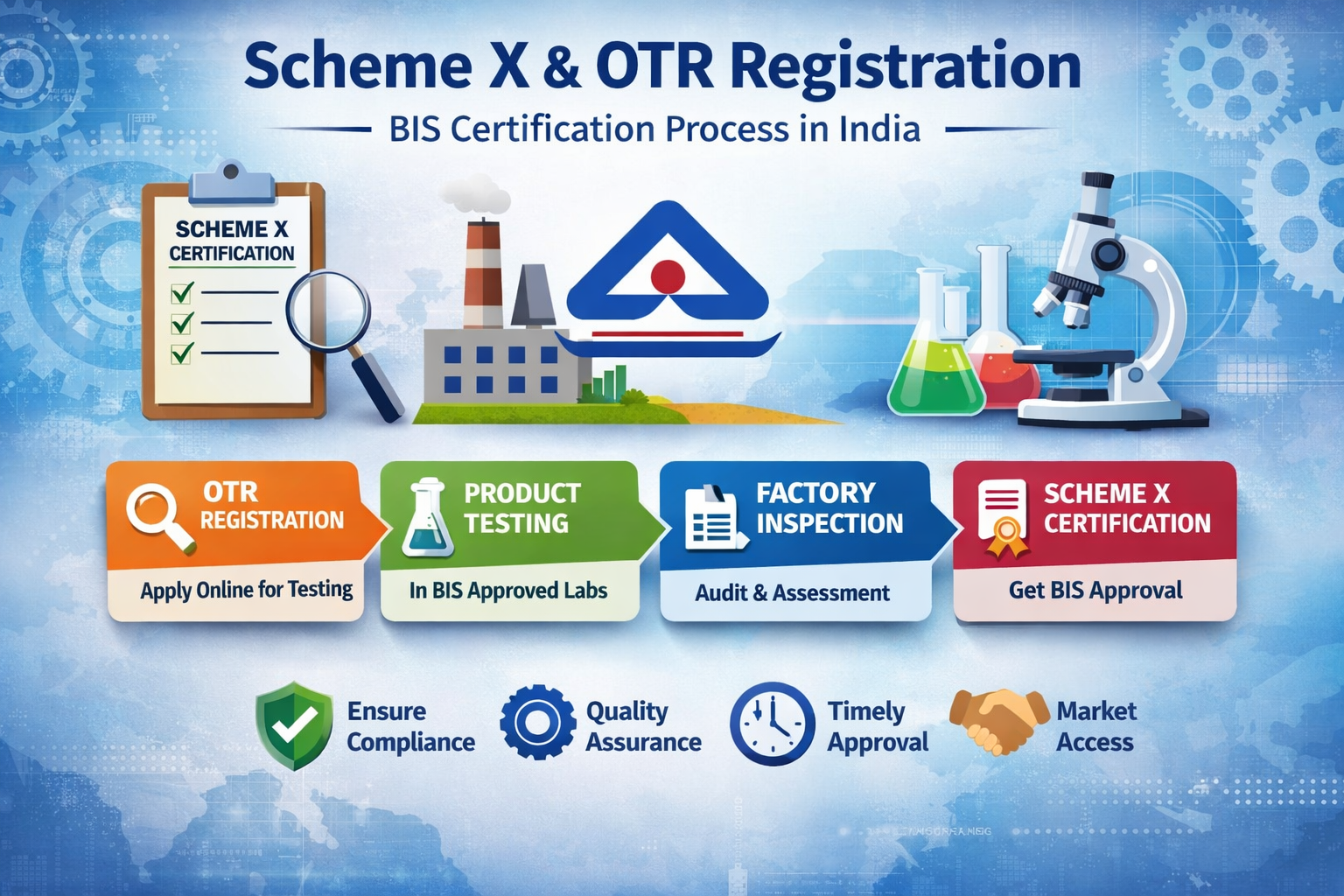
4. BIS Scheme X Certification
5. BIS Certification for Importers and Manufacturers
BIS Certification Process in India
Documents Required for BIS Certification
How to Choose the Right BIS Certification Consultant
Why Choose Professional BIS Certification Services?
Frequently Asked Questions (FAQs)
1. What are BIS Certification Services?
2. Is BIS certification mandatory in India?
3. How long does it take to obtain BIS certification?
4. What is the difference between BIS ISI Mark and CRS registration?
5. Can foreign manufacturers apply for BIS certification?
6. What documents are required for BIS certification?
7. Can a BIS certification consultant guarantee approval?
8. What happens if a product requires BIS certification but does not have it?
9. Can BIS certification be renewed?
10. How can I get professional BIS Certification Services?
Conclusion