ISI Mark Certification in India
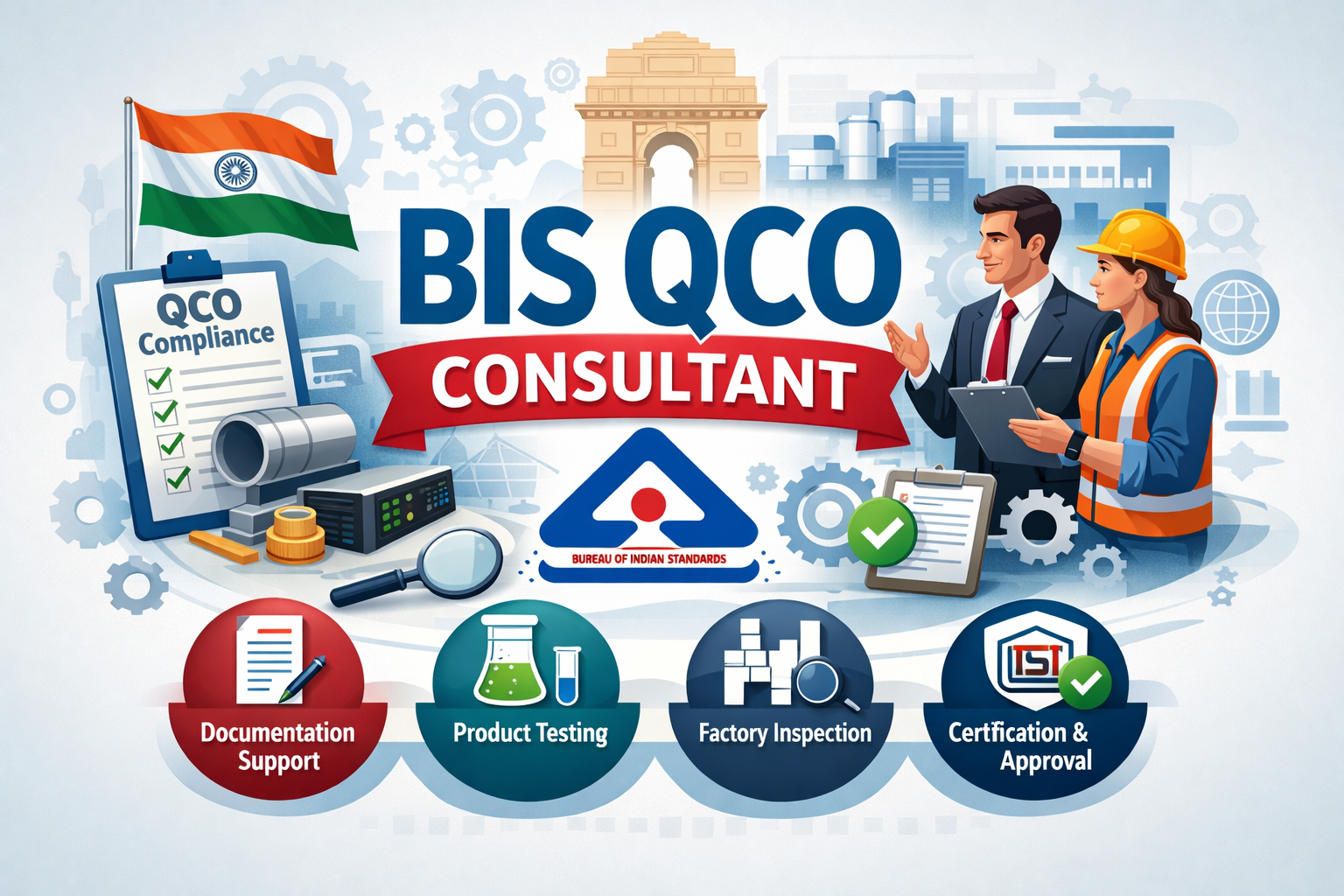
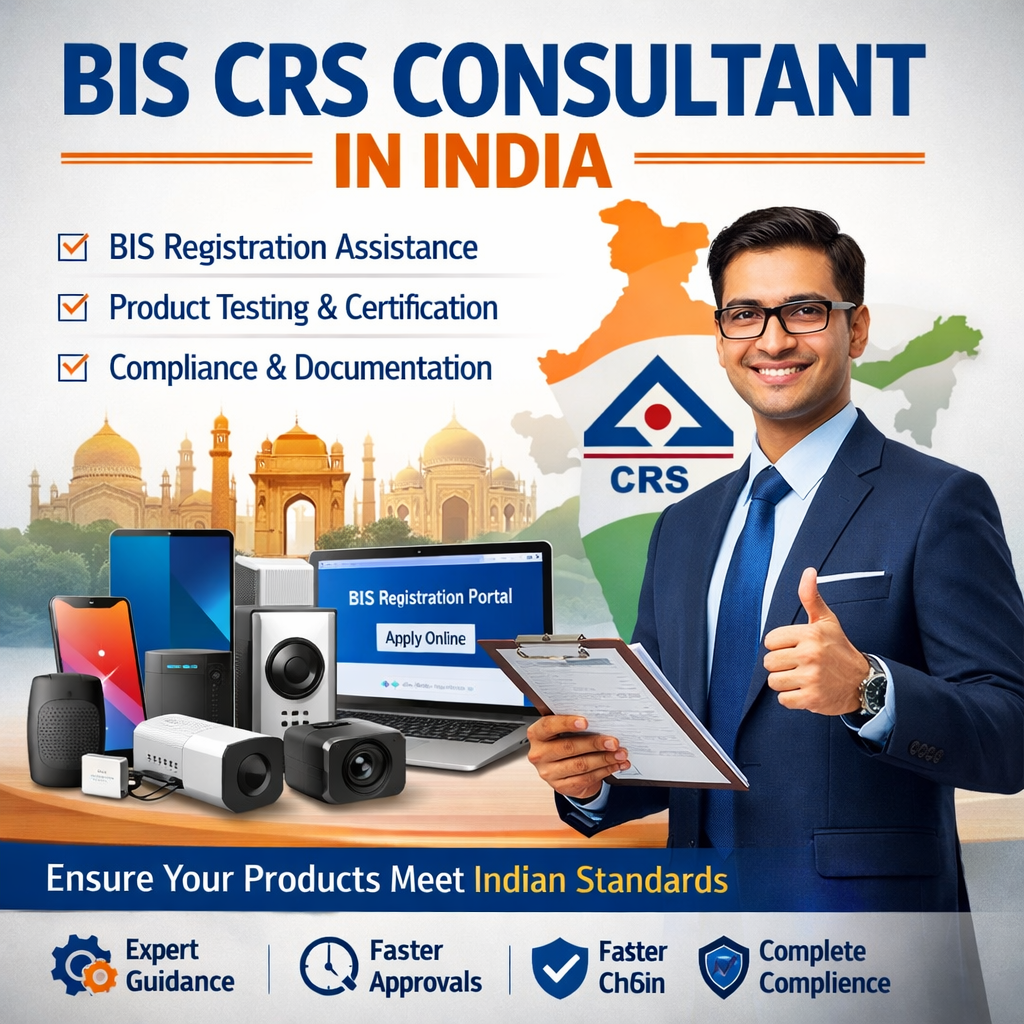
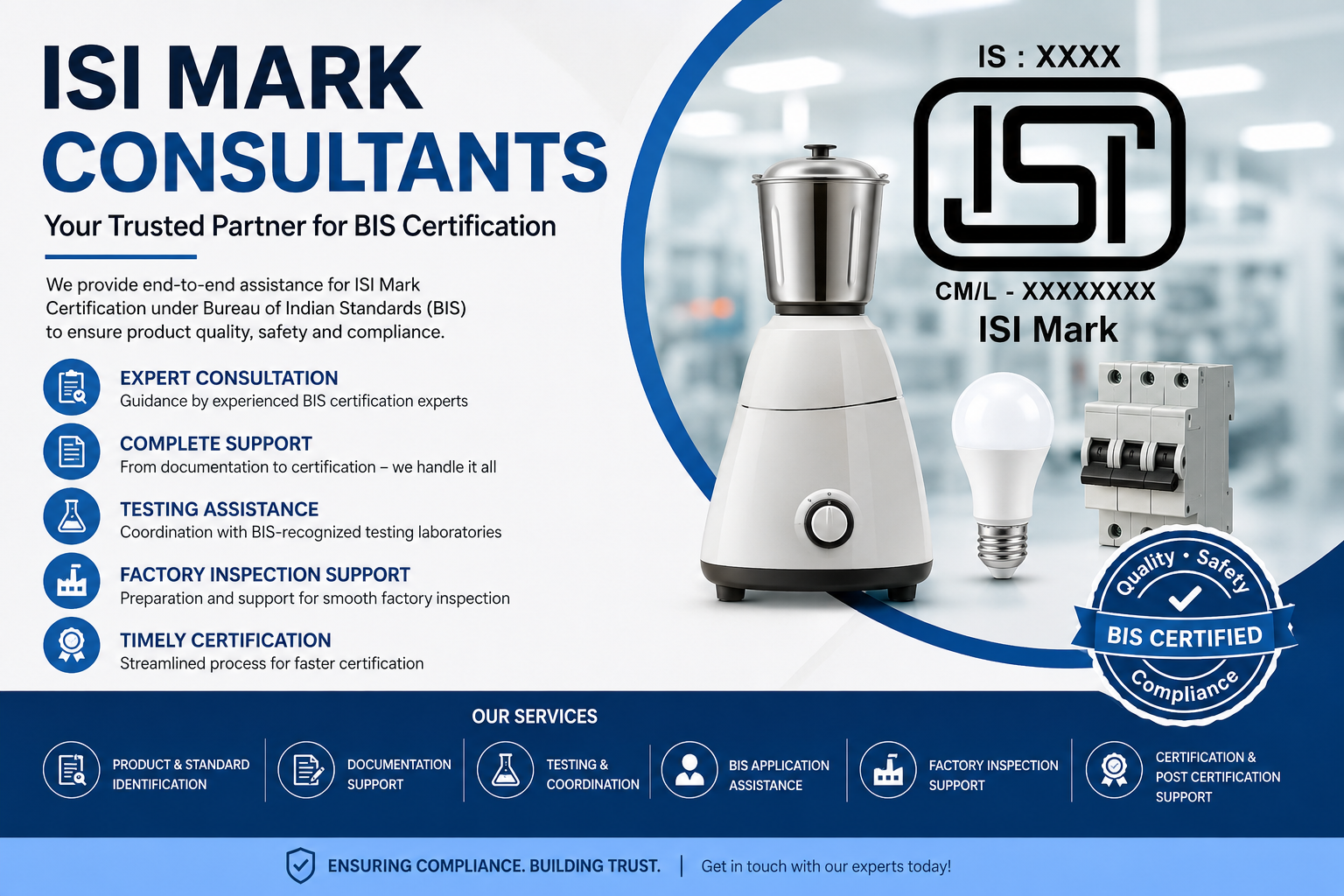
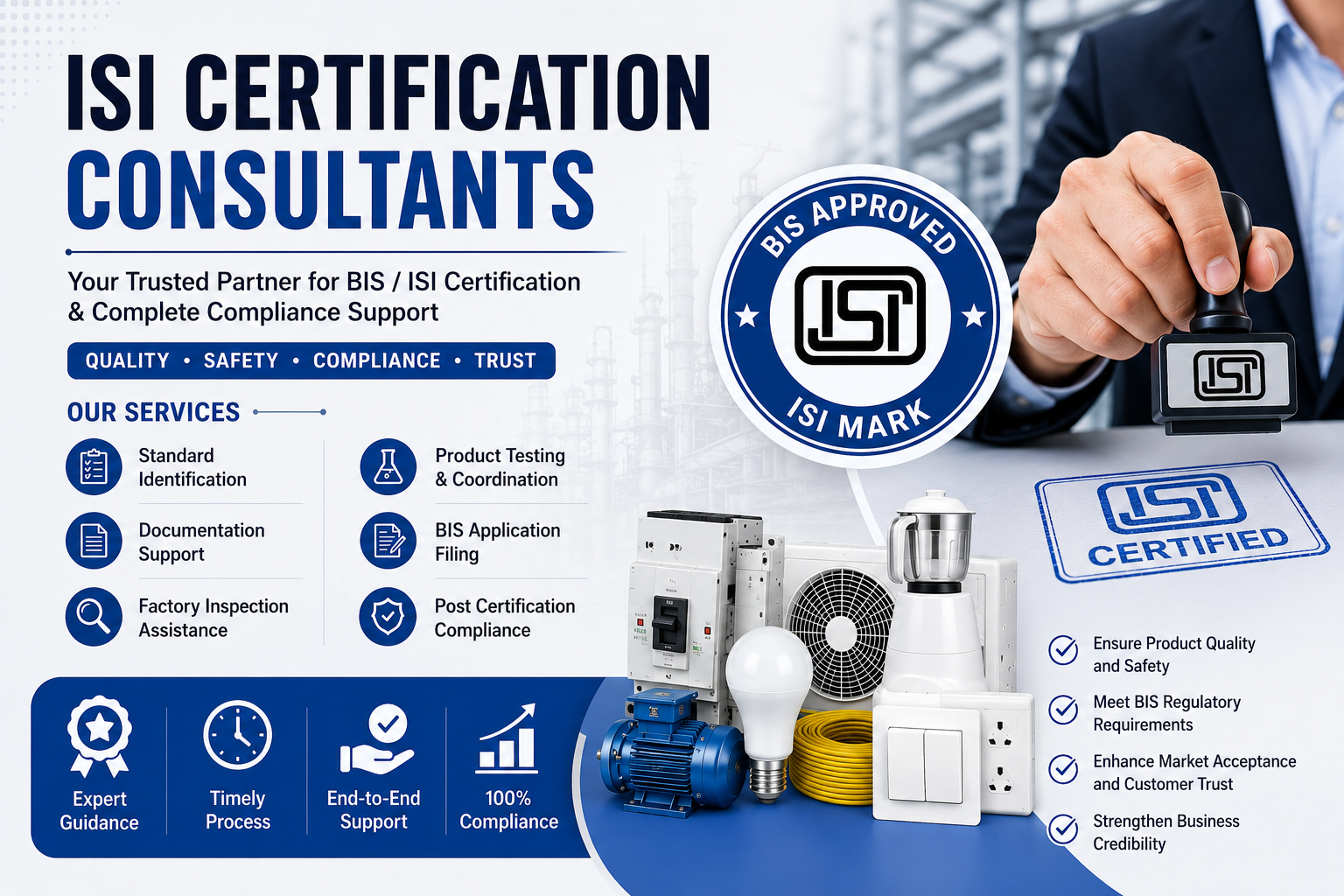
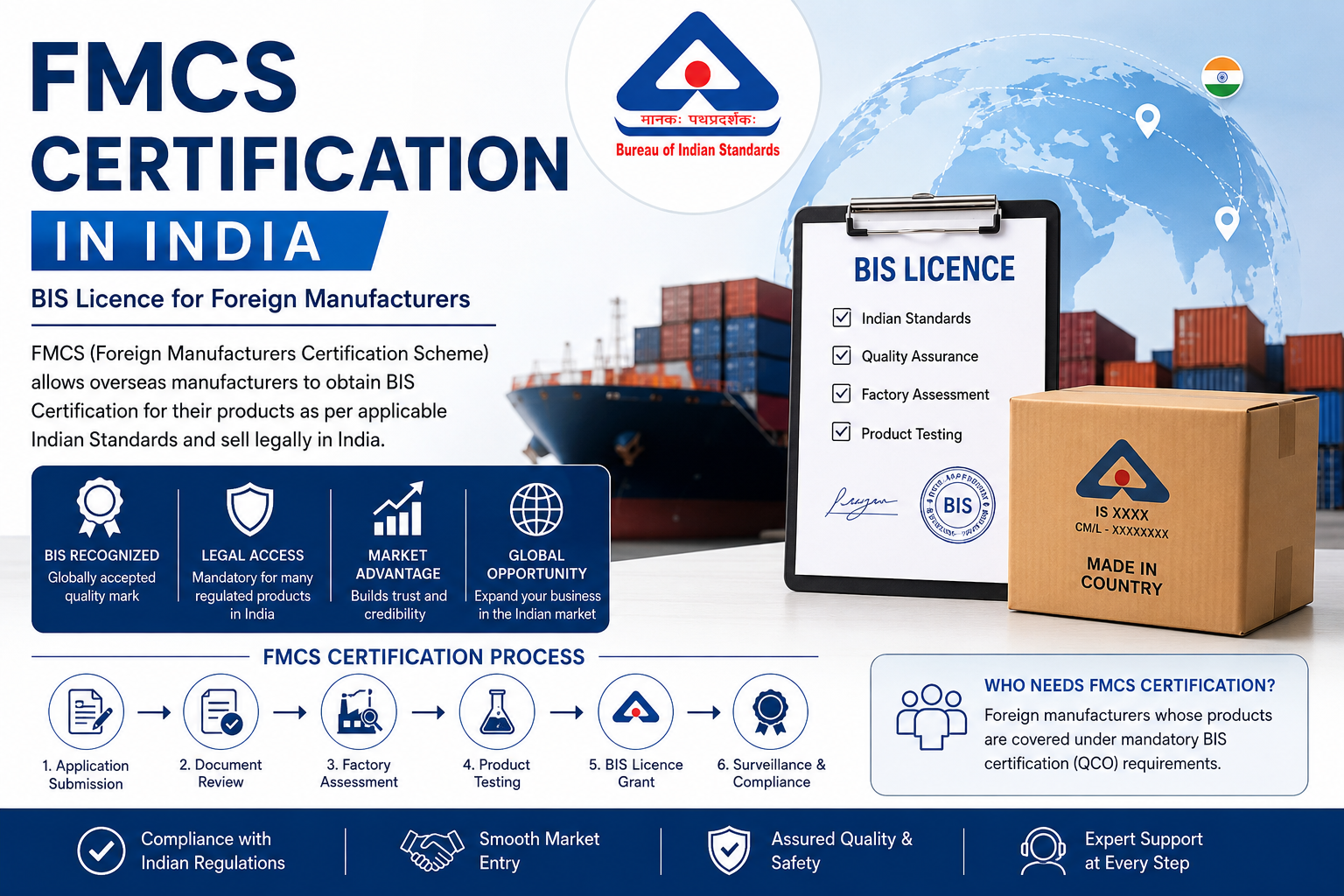
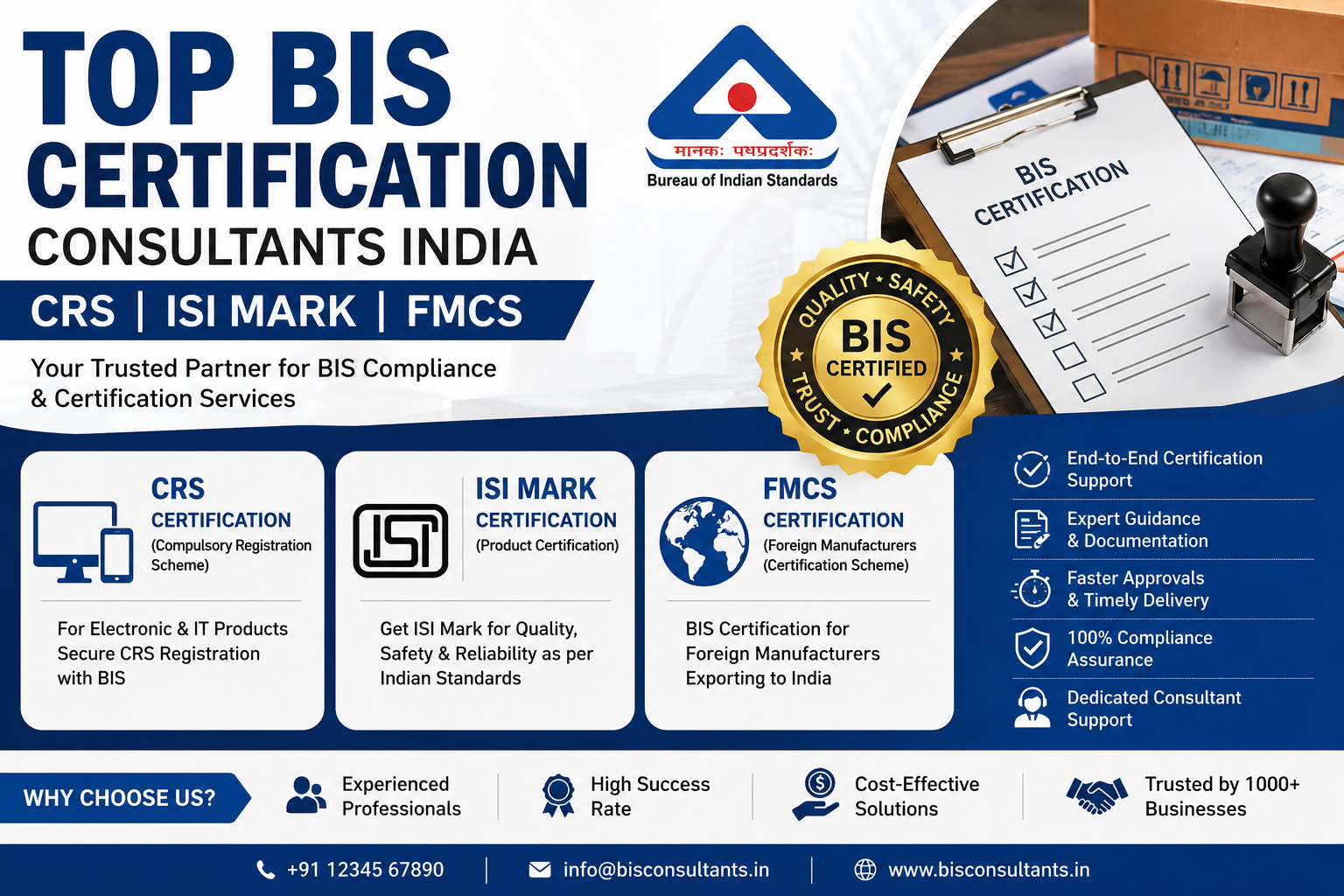
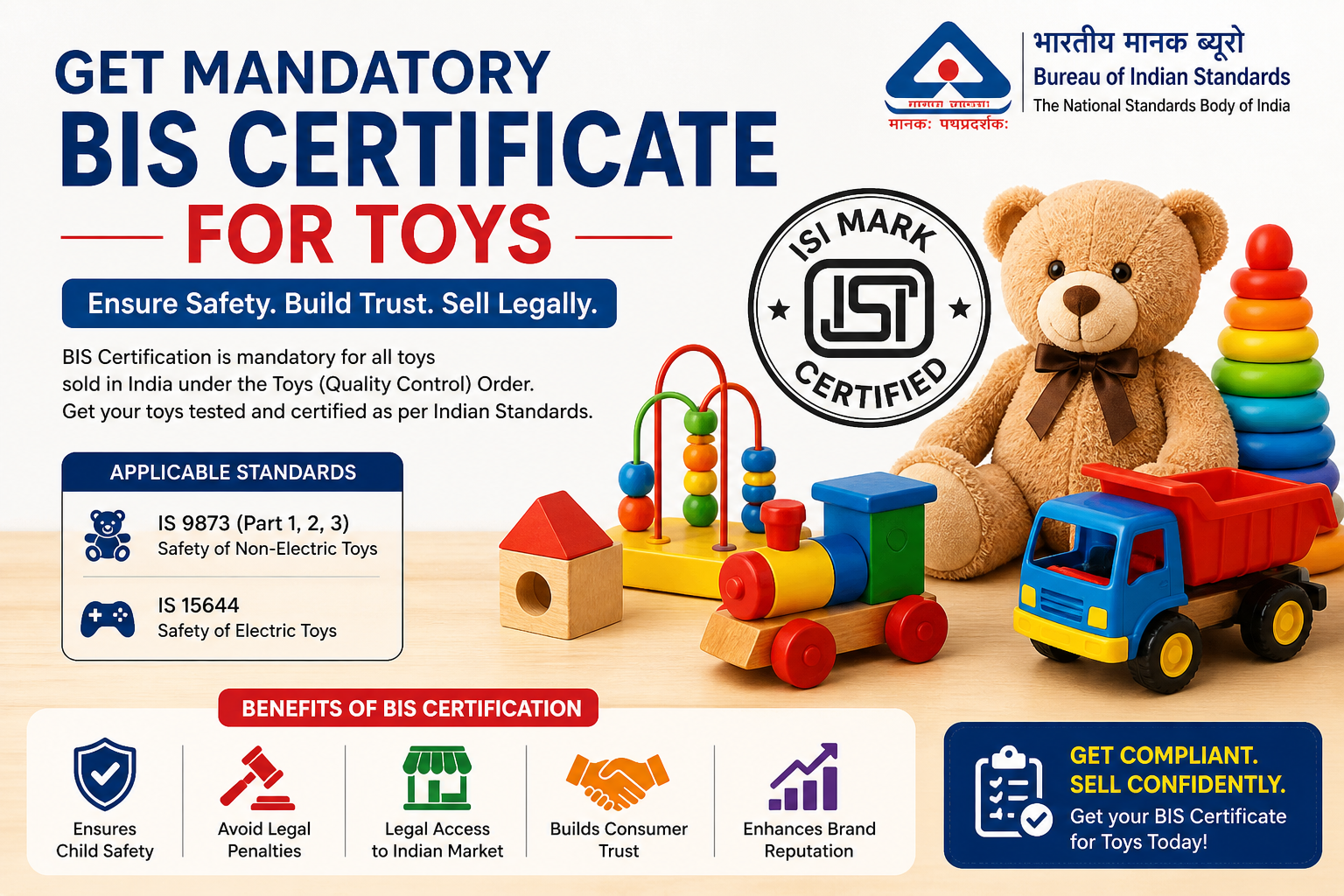
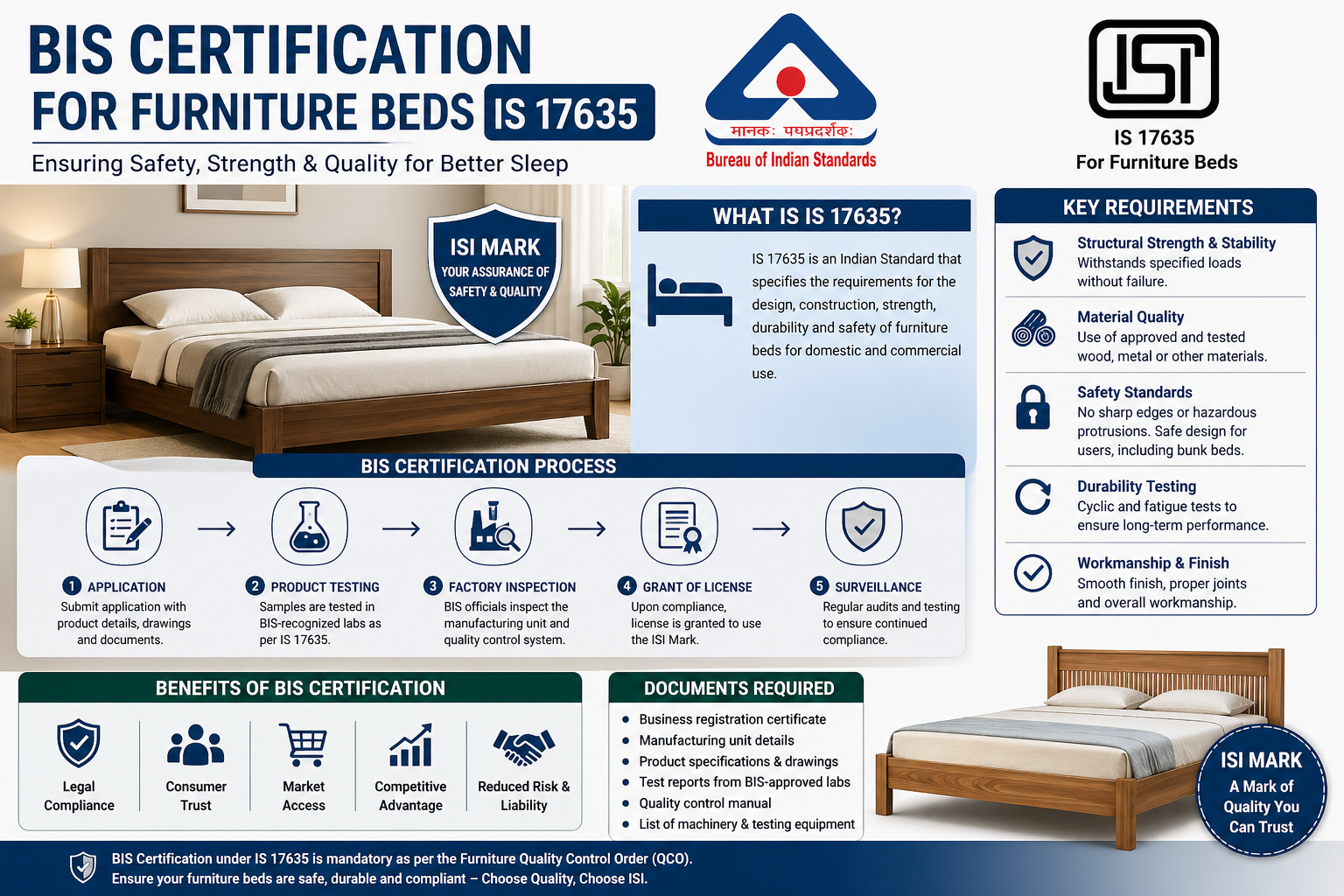
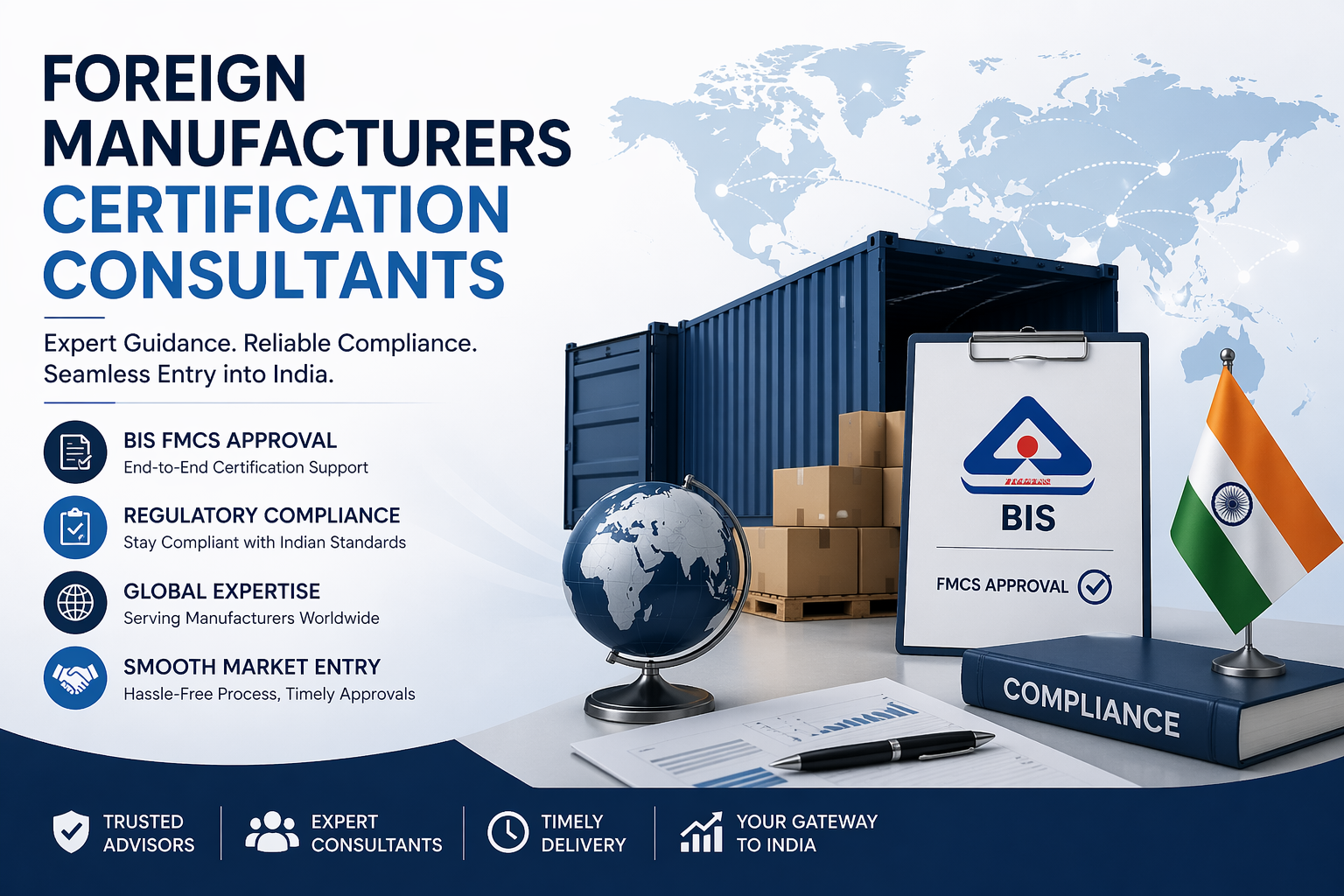
ISI Mark Certification in India is one of the most important quality assurance systems introduced by the Bureau of Indian Standards (BIS). The ISI mark signifies that a product conforms to the Indian Standards (IS) prescribed by BIS and assures consumers about product safety, reliability, and performance. For manufacturers, obtaining ISI Mark Certification is not just a legal requirement for many products but also a strong indicator of trust and market credibility. The ISI Mark is a certification mark issued by BIS for products that meet specific Indian quality and safety standards. ISI stands for Indian Standards Institution, which later became the Bureau of Indian Standards in 1986. Products bearing the ISI mark have undergone rigorous testing, factory inspection, and quality control checks as per the applicable Indian Standard. ISI Mark Certification is mandatory for a wide range of products such as electrical appliances, cement, steel products, pressure cookers, LPG cylinders, automotive components, and many more. Selling or manufacturing these products without ISI certification is illegal in India. ISI Mark Certification plays a crucial role in protecting consumers and ensuring product safety. It helps in maintaining uniform quality standards across industries and reduces the risk of substandard or hazardous products entering the market. For manufacturers, ISI certification offers several advantages: Legal compliance with Indian regulations Enhanced brand reputation and customer trust Wider market acceptance and easier product approvals Competitive advantage in domestic and export markets Reduced risk of penalties and product recalls BIS has made ISI certification mandatory for numerous products across different sectors. Some commonly covered categories include: Electrical appliances (fans, heaters, switches, cables, etc.) Construction materials (cement, steel bars, pipes) Household products (pressure cookers, gas stoves) Automotive components Medical equipment and safety products Industrial and mechanical products The list of mandatory products is updated regularly by BIS, and manufacturers must ensure compliance before launching or selling their products in India. ISI Mark Certification can be obtained by: Indian manufacturers Foreign manufacturers (through the FMCS – Foreign Manufacturers Certification Scheme) Traders or distributors cannot apply for ISI certification unless they are also the manufacturers. The certification is always issued in the name of the manufacturing unit. The ISI Mark Certification process involves multiple steps and strict compliance with BIS norms: 1. Application Submission 2. Product Testing 3. Factory Inspection 4. Grant of License 5. Surveillance and Renewal Some key documents required include: Business registration certificate Factory layout and manufacturing process details Quality control and testing equipment details Product technical specifications Test reports from BIS-recognized labs Authorization letter and identity proofs The exact documentation may vary depending on the product category and applicable standard. The cost of ISI Mark Certification depends on factors such as: Product type and Indian Standard Number of test parameters Testing laboratory charges BIS application and license fees The ISI license is generally granted for 1 to 2 years and can be renewed subject to continued compliance with BIS norms. Manufacturing or selling products under mandatory ISI certification without approval can lead to: Heavy fines Product seizure Legal prosecution Cancellation of business licenses BIS conducts regular market surveillance to identify non-compliant products and take strict action against violators. Obtaining ISI Mark Certification can be complex due to technical requirements, documentation, testing, and coordination with BIS authorities. Professional ISI Mark consultants help manufacturers by: Identifying applicable Indian Standards Managing documentation and application filing Coordinating product testing Preparing for factory inspection Ensuring faster approval with minimal errors Hiring an experienced BIS or ISI consultant can save time, reduce costs, and ensure smooth certification. ISI Mark Certification in India is a critical requirement for manufacturers aiming to ensure product quality, safety, and legal compliance. It strengthens consumer confidence, enhances brand value, and opens doors to larger markets. Whether you are an Indian manufacturer or a foreign company entering the Indian market, obtaining ISI certification is essential for long-term business success. By working with a reliable ISI Mark Certification consultant, manufacturers can simplify the process and achieve compliance efficiently, ensuring their products meet the highest Indian quality standards.What is ISI Mark Certification?
Importance of ISI Mark Certification
Products Covered Under ISI Mark Certification
Who Can Apply for ISI Mark Certification?
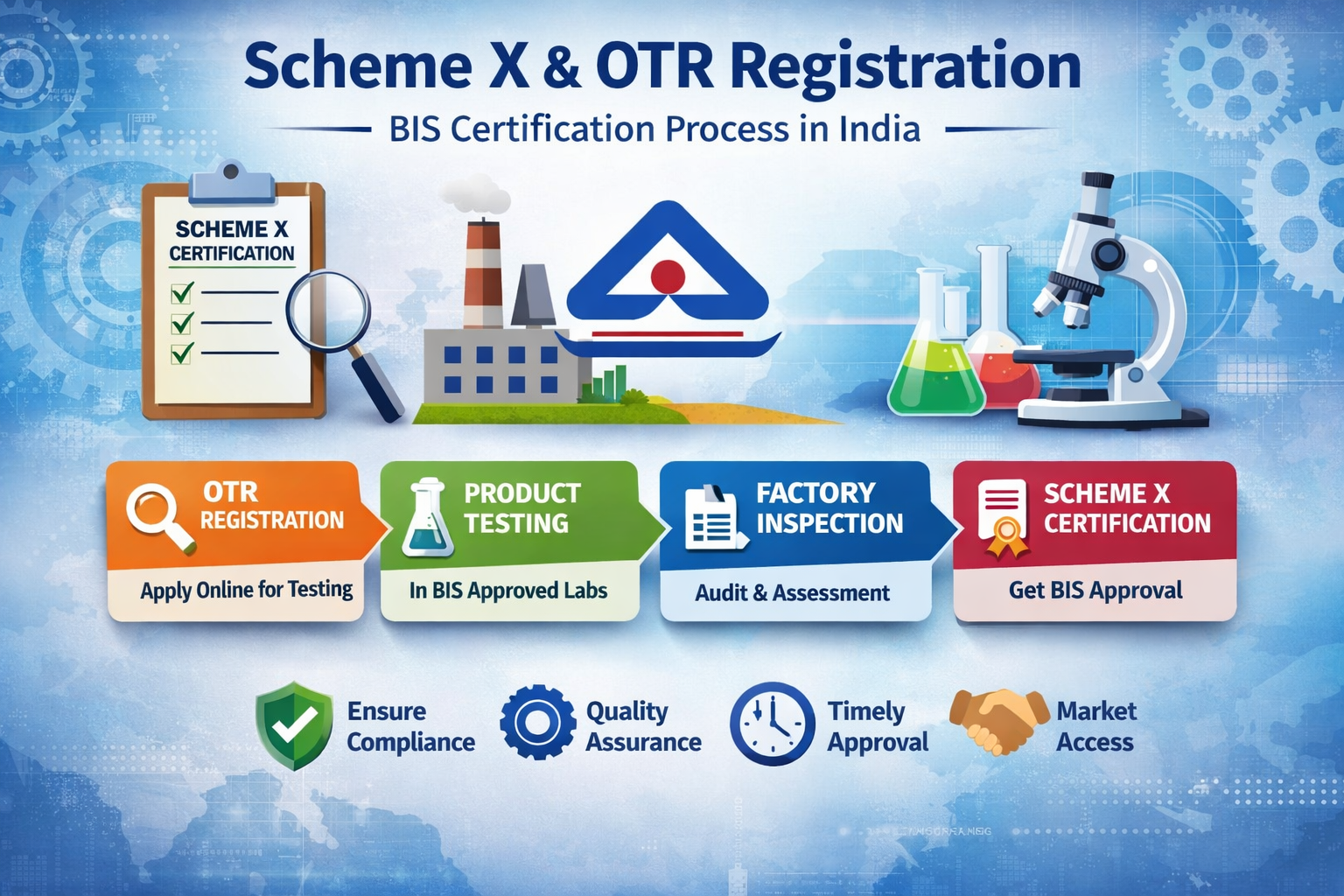
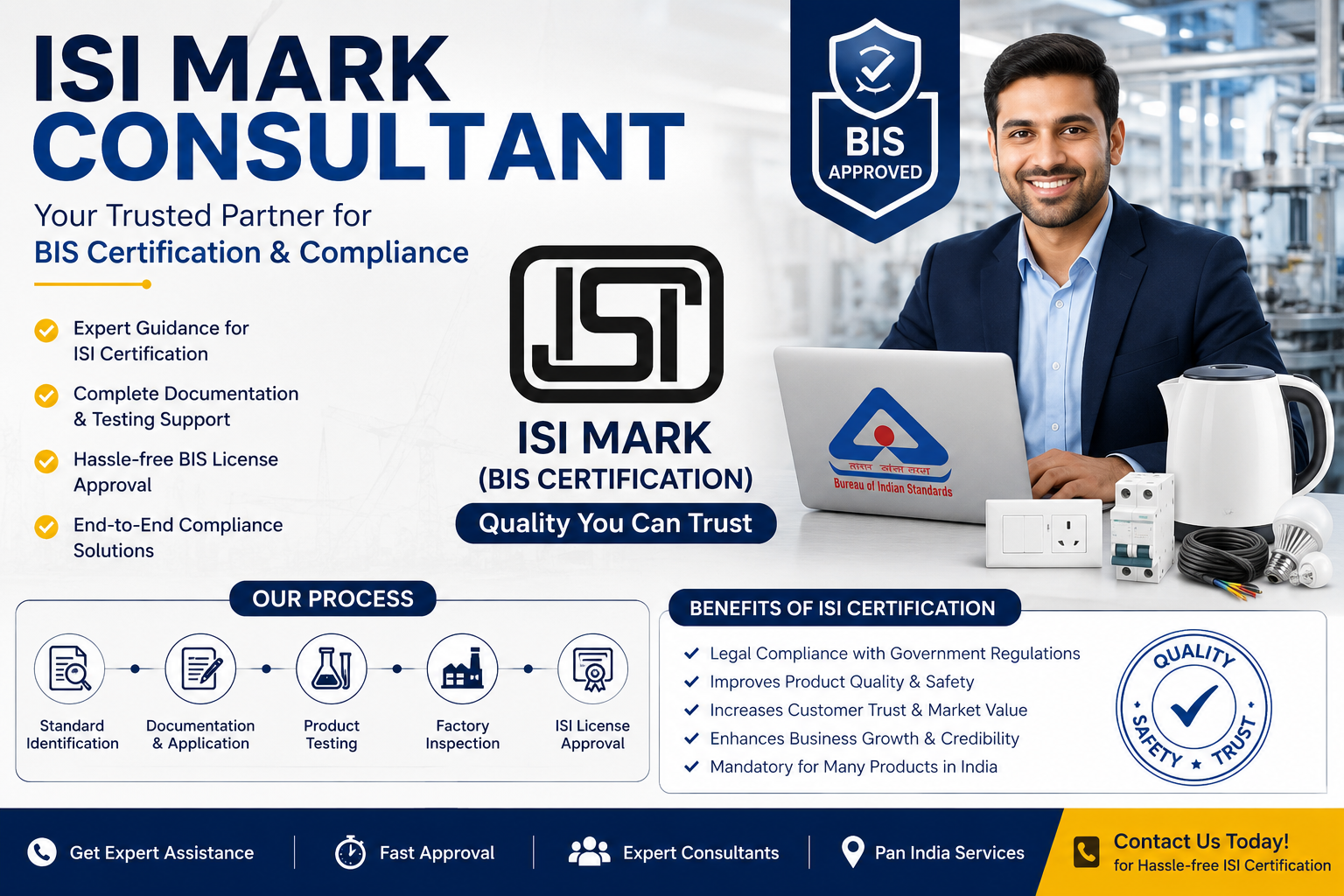
ISI Mark Certification Process in India
The manufacturer submits an online application to BIS along with required documents, product details, and applicable Indian Standards.
Product samples are tested in BIS-recognized laboratories to verify compliance with Indian Standards.
BIS officials conduct a factory inspection to assess manufacturing processes, quality control systems, testing facilities, and production capability.
If the product and factory meet BIS requirements, a license is granted, allowing the manufacturer to use the ISI mark on their products.
BIS conducts periodic surveillance, sample testing, and inspections to ensure continued compliance. The license must be renewed as per BIS guidelines.Documents Required for ISI Mark Certification
Cost and Validity of ISI Mark Certification
Penalties for Non-Compliance
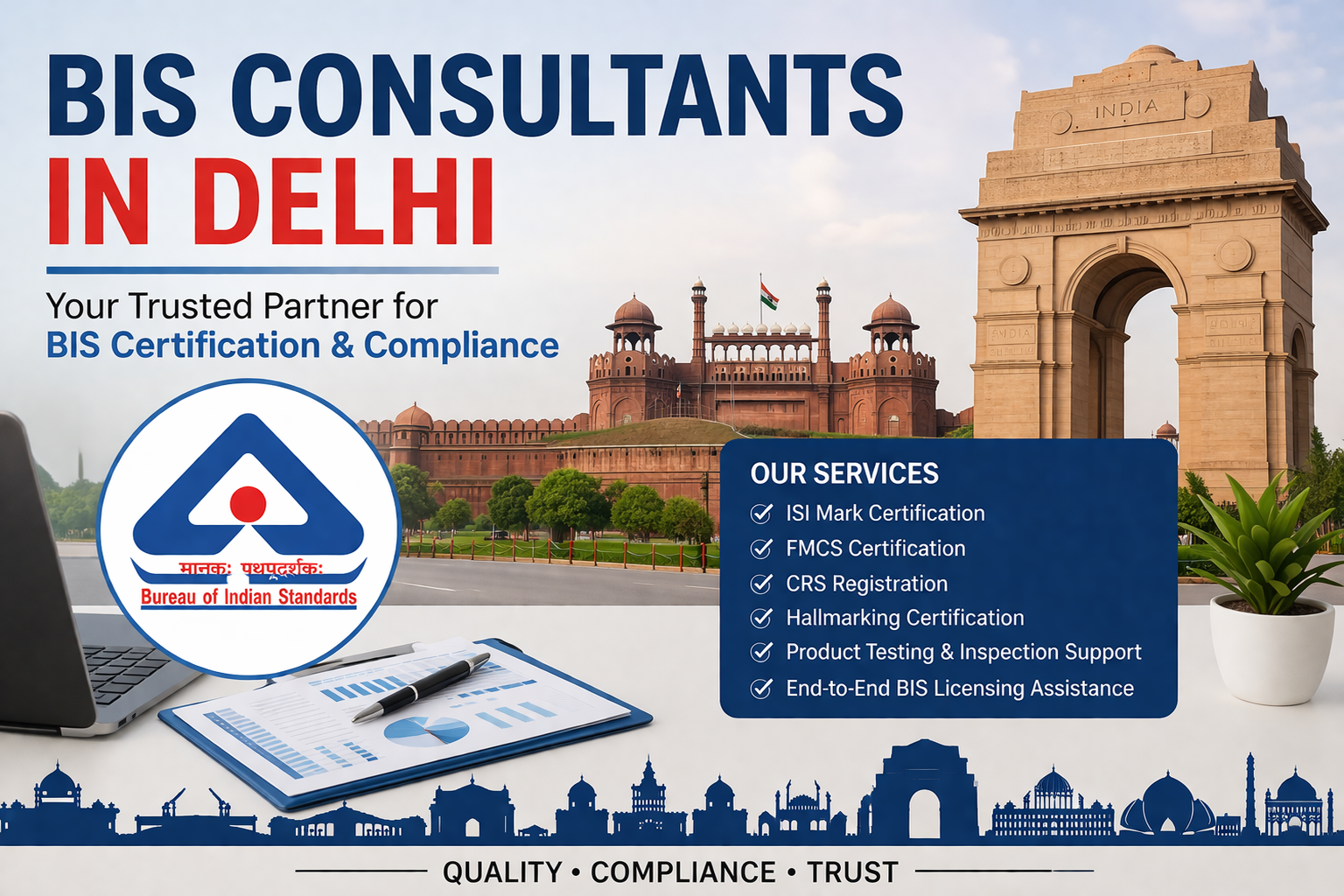
Role of ISI Mark Consultants
Conclusion






:-important-update-for-manufacturers.png)









.png)